
There is no single “best” month to get married in Europe. There is, however, a best place to be for almost every month of the year.
The mistake couples often make is choosing their dream European destination first and trying to force their wedding date around it. Tuscany in August sounds romantic until you consider the heat and peak-season crowds. The Mediterranean in March can be beautiful, but it is not the guaranteed beach weekend its summer photographs might suggest.
Instead, flip the question.
If you already know when you want to get married, where in Europe should you go?
From snow-covered Alpine celebrations in January to golden Puglian evenings in September, this is The European Wedding Edit’s calendar for chasing Europe at its best.
January - The Austrian Alps

For: Snow, candlelight and the ultimate winter wedding
If you are going to have a January wedding in Europe, embrace winter completely.
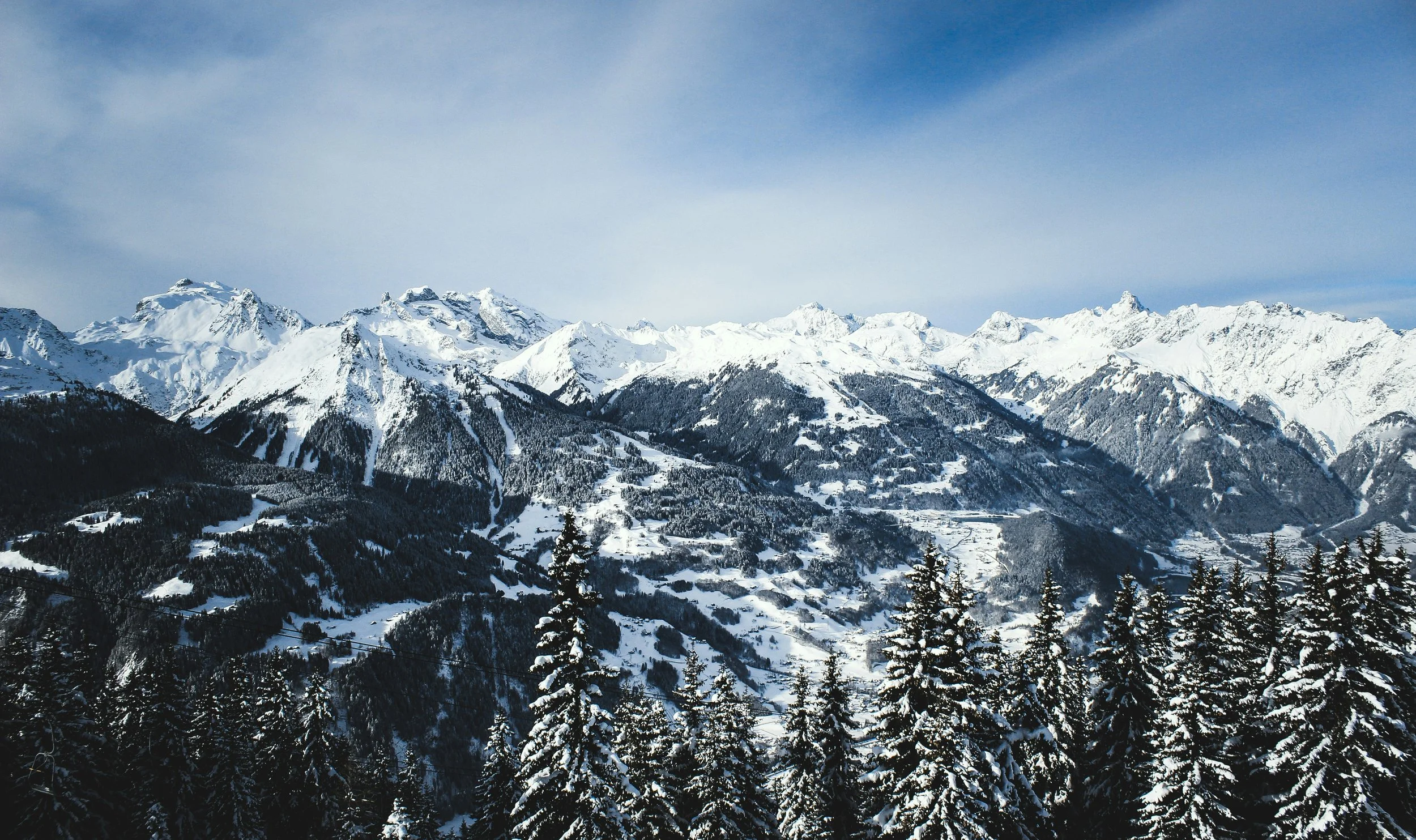
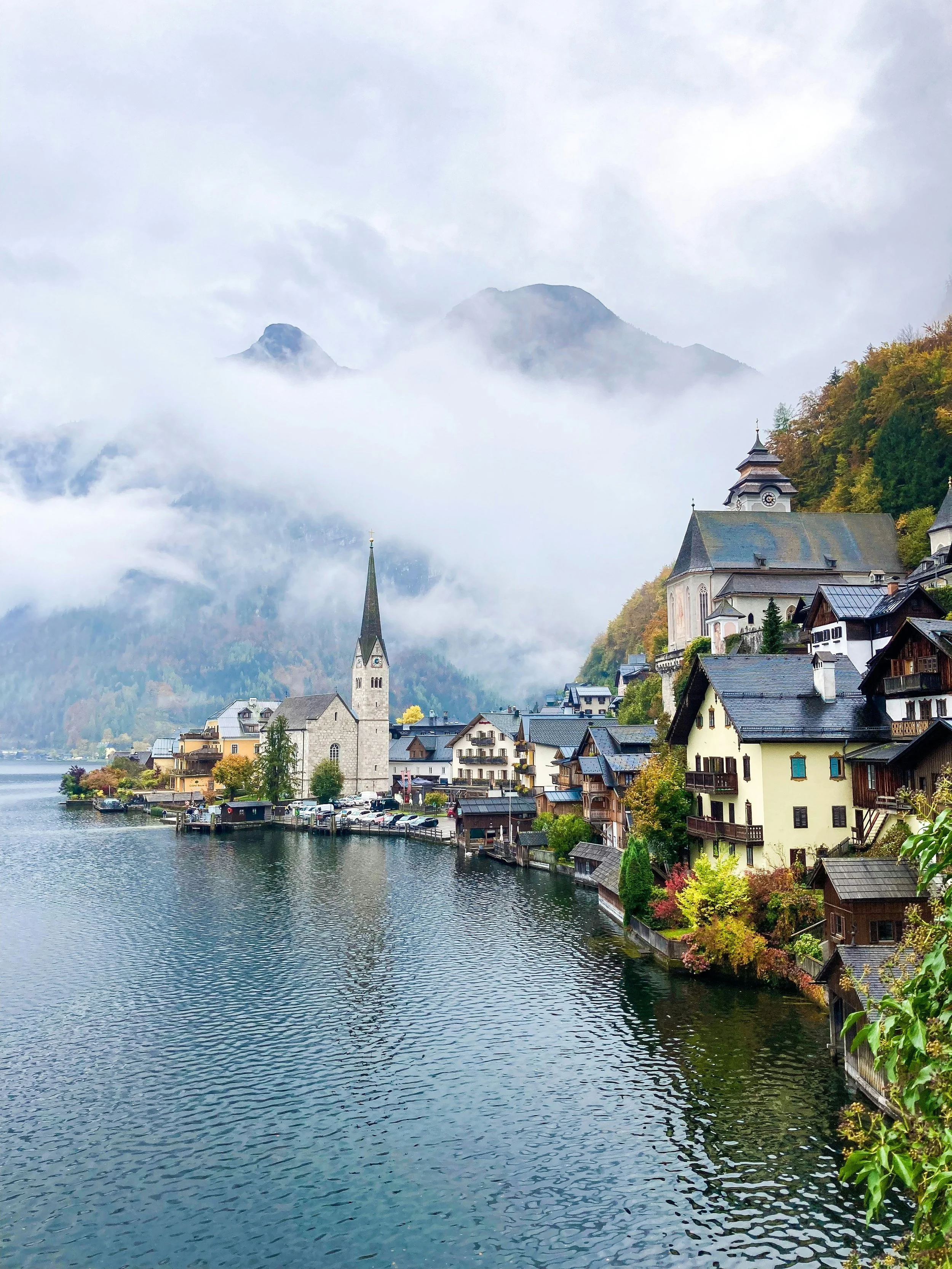
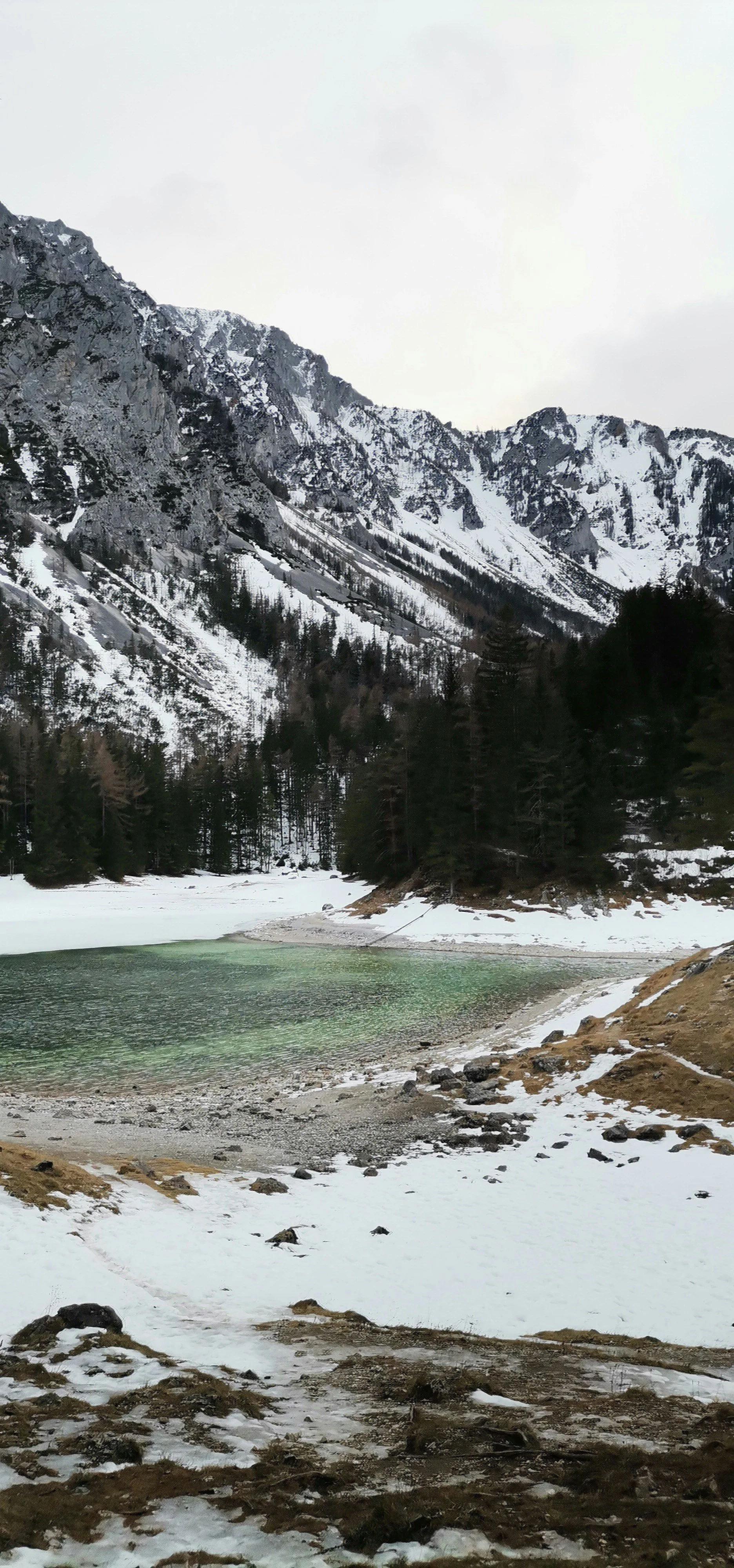
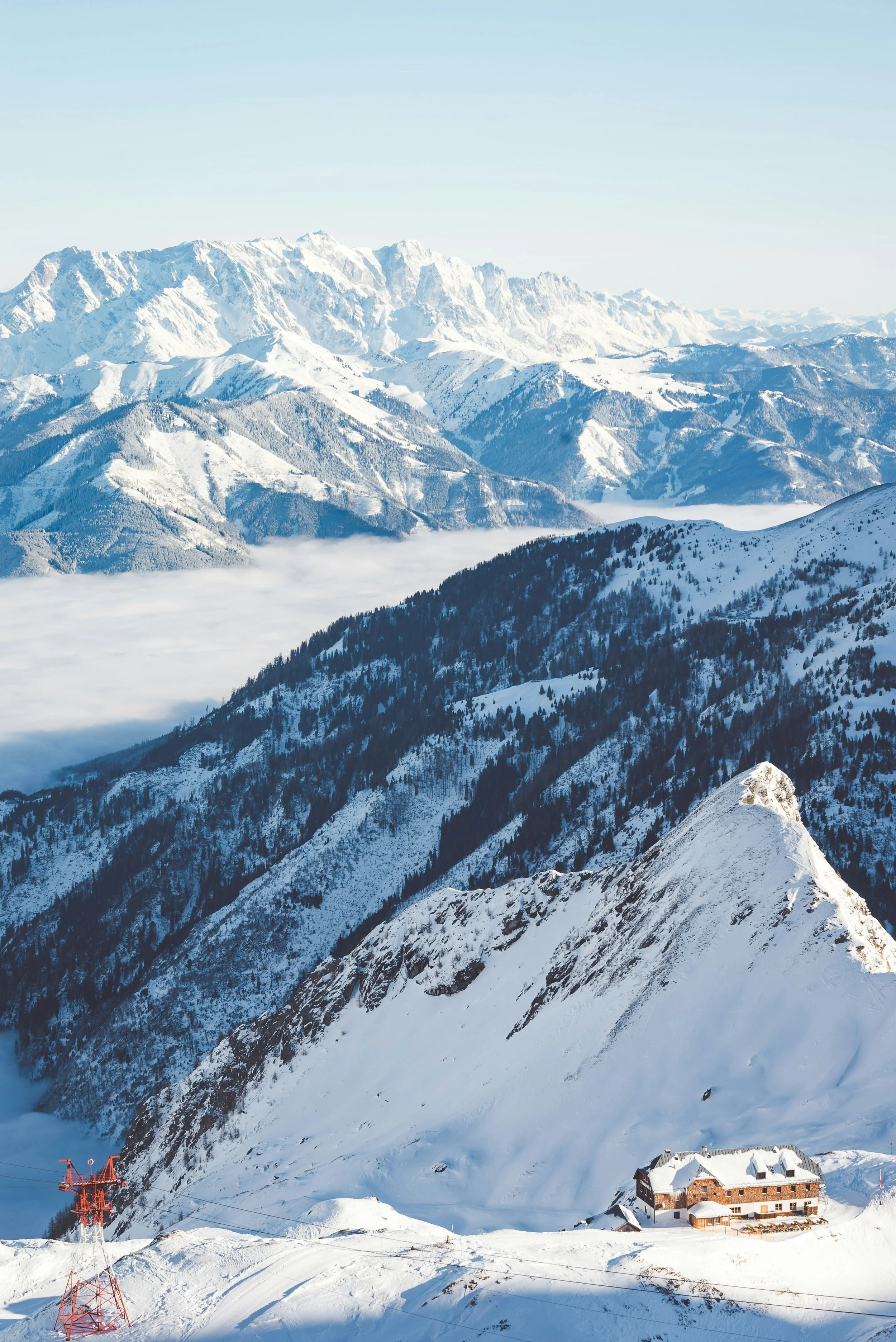
The Austrian Alps deliver the kind of setting that would be almost impossible to recreate: snow-covered mountains, timber chalets, roaring fires, candlelit dinners and guests gathering for an entire weekend in a mountain village.
January sits firmly in Austria’s winter season. The Austrian tourism board notes that January and February are particularly snowy months, while most ski resorts are already operating by December.
Rather than treating winter weather as something to work around, here it becomes part of the wedding itself. Think a ceremony overlooking the mountains, Champagne in the snow, dinner beside an open fire and skiing or a long Alpine lunch the following day.
Why January: If you want a true winter wedding, this is the month to commit to it.
The look: Black tie, candlelight, velvet, snow and mountain views.
February - Madeira, Portugal
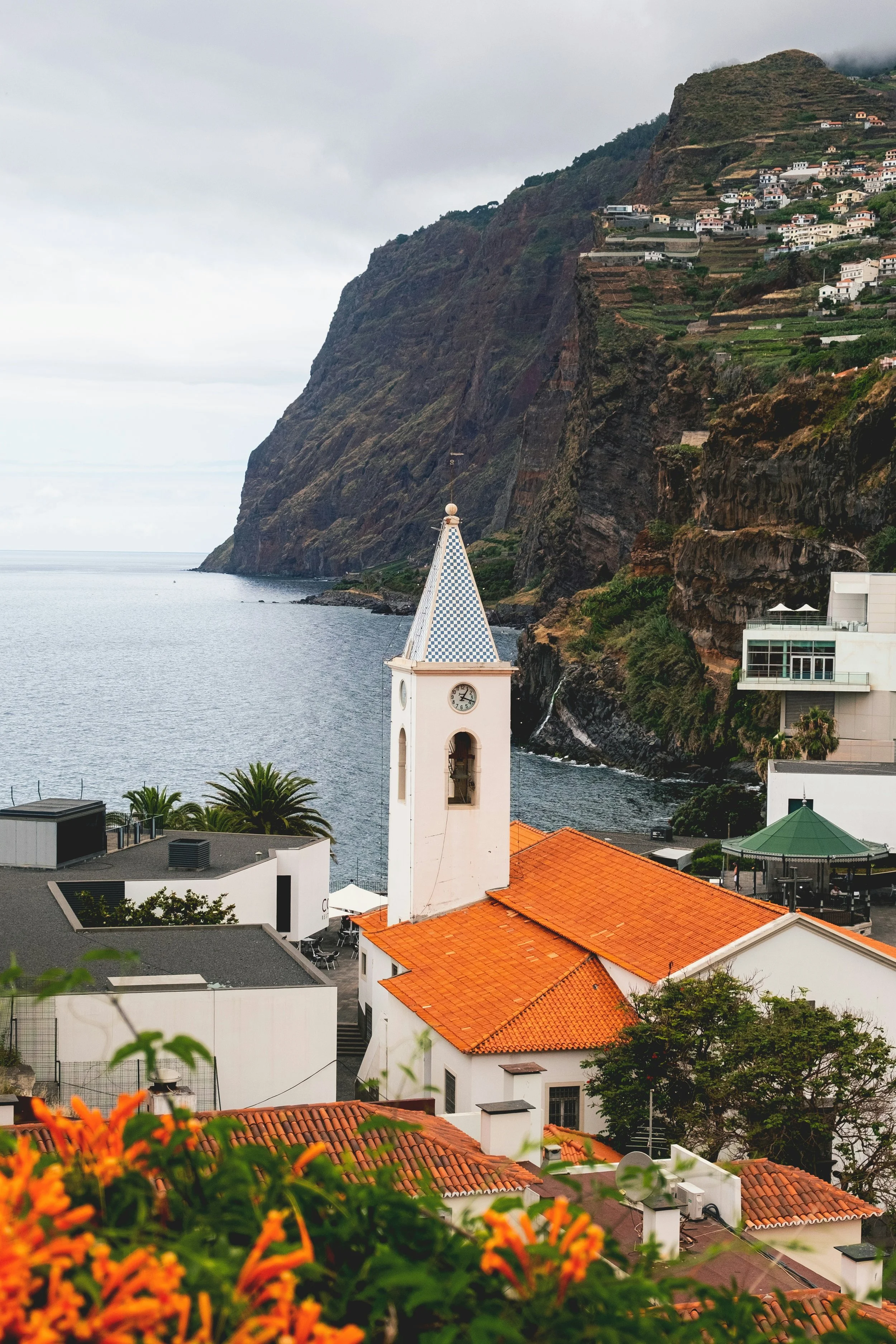
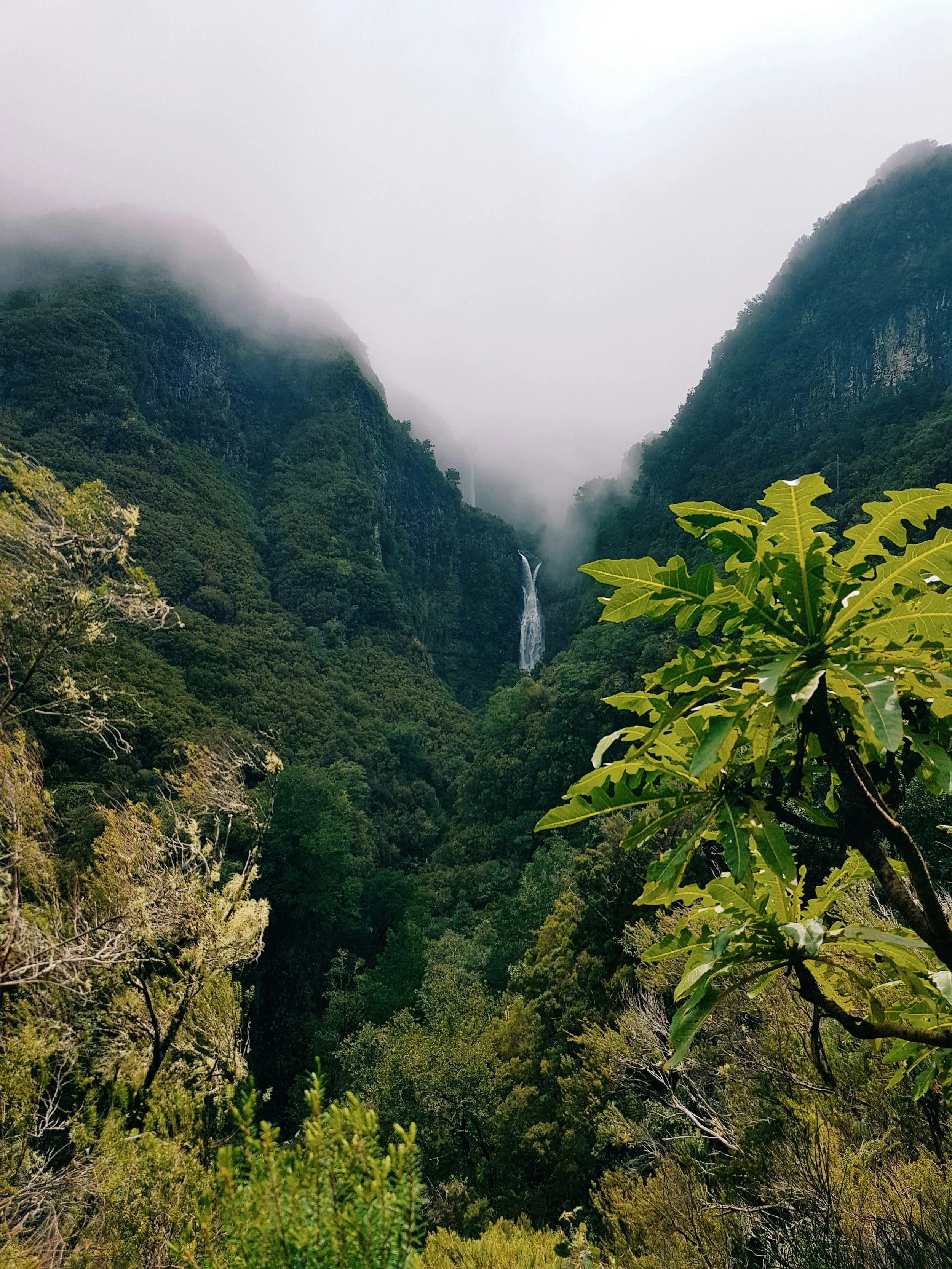
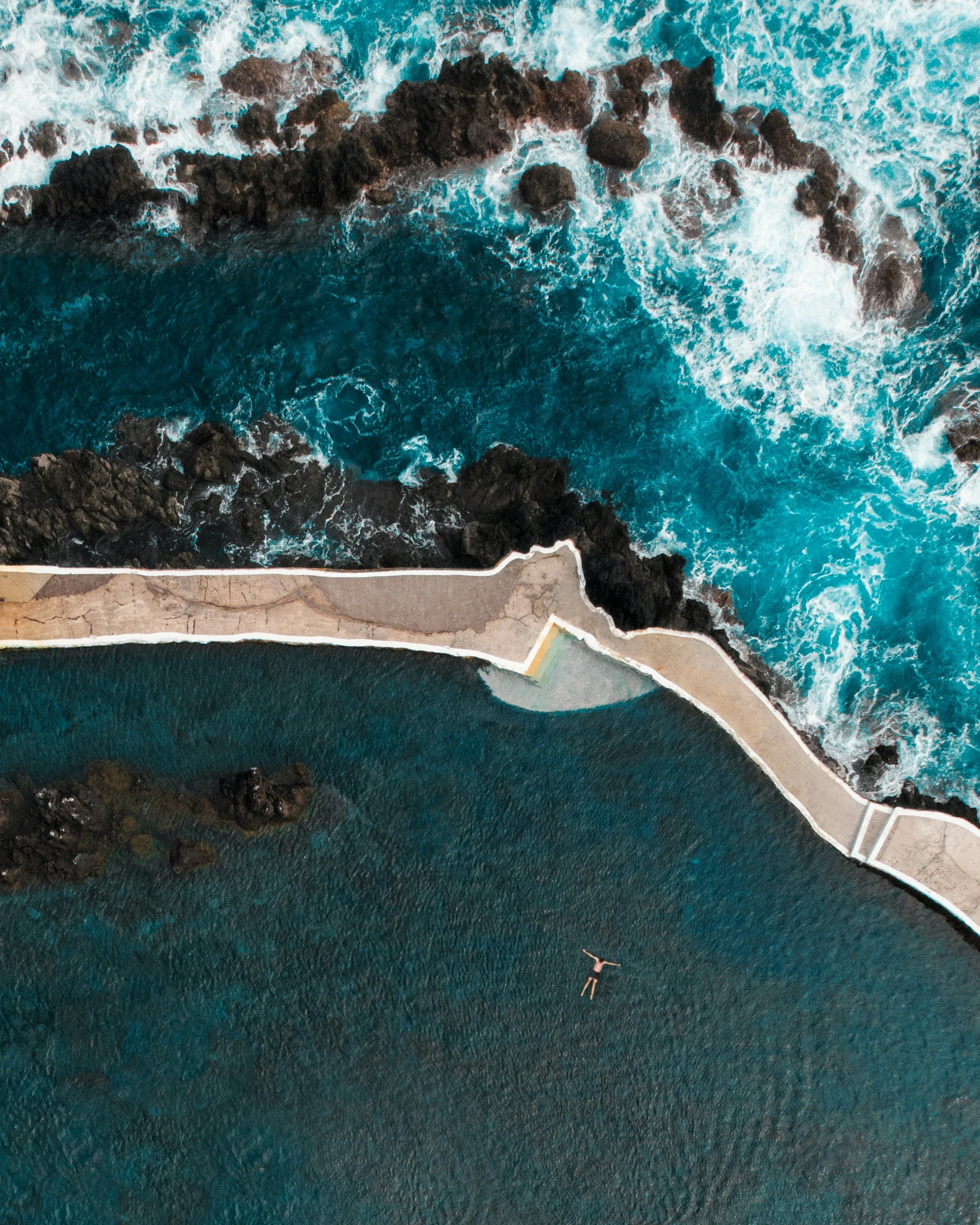
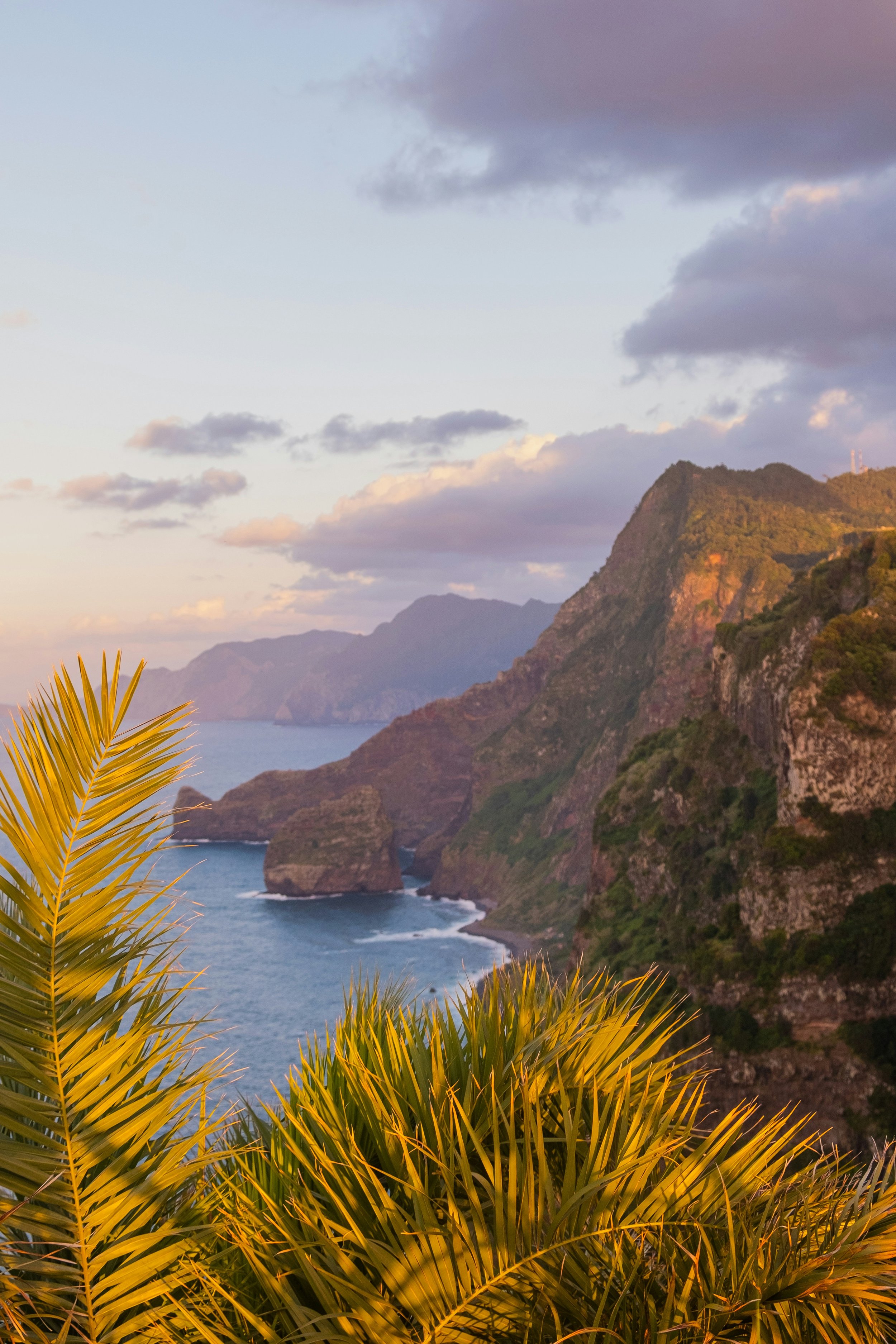
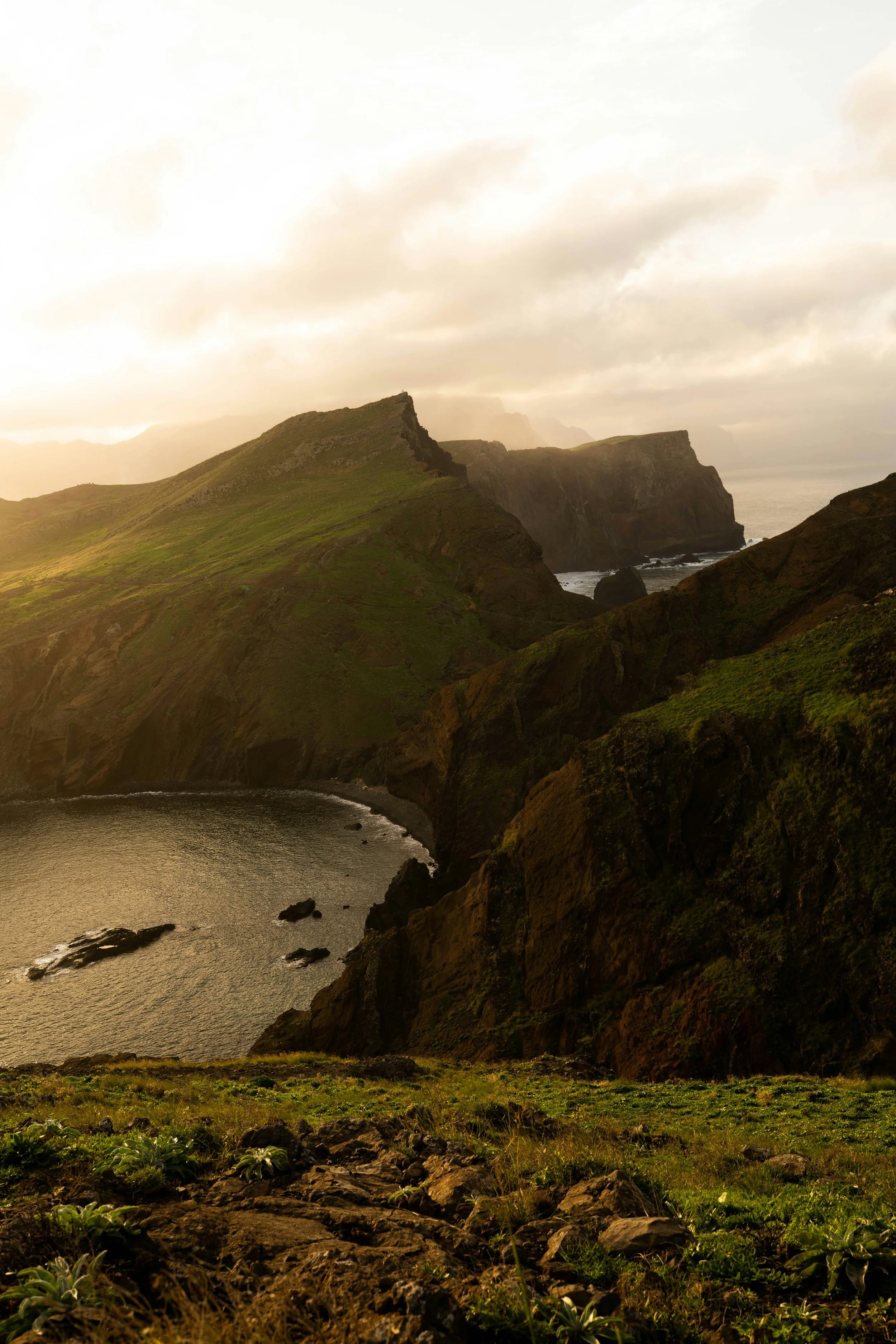
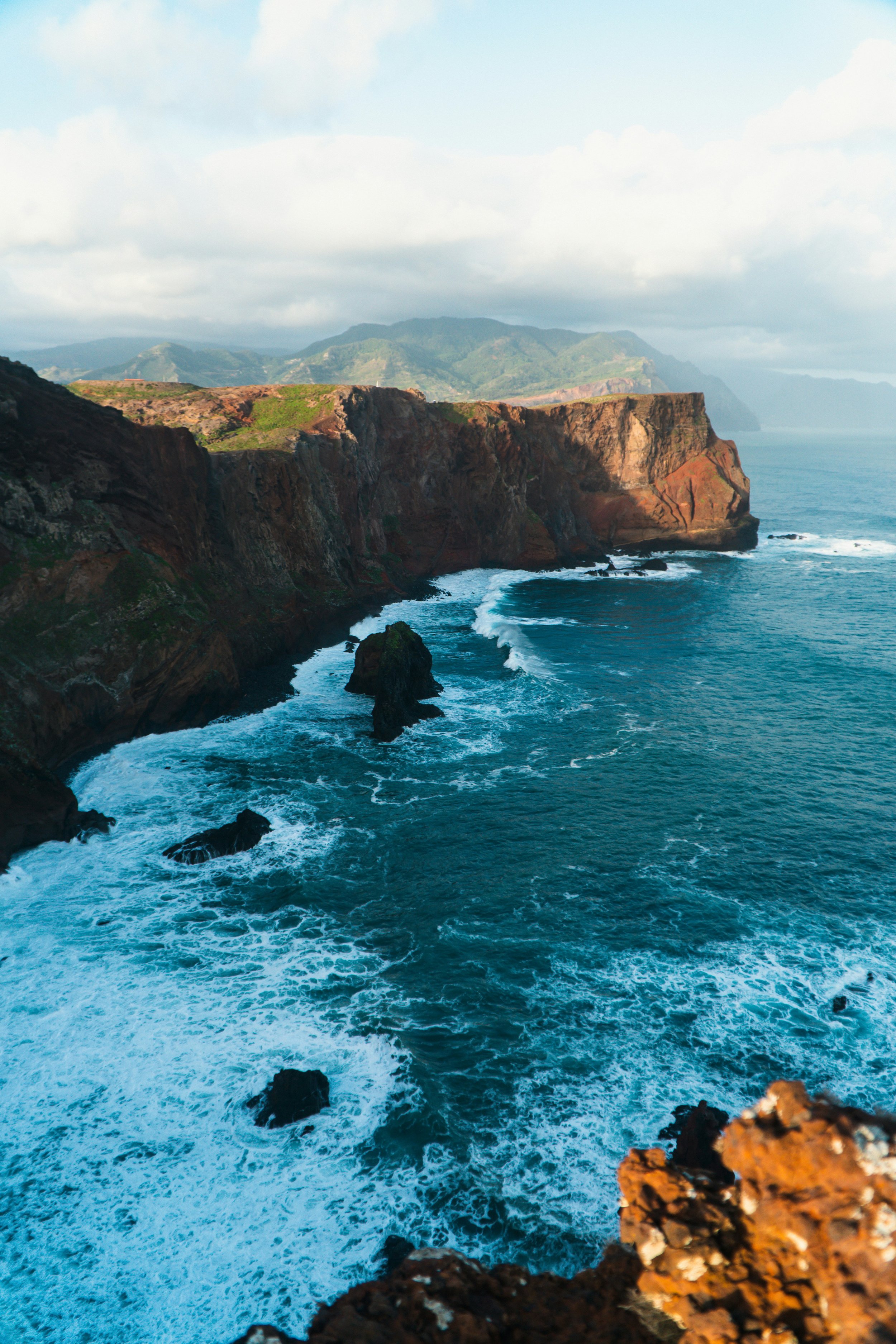
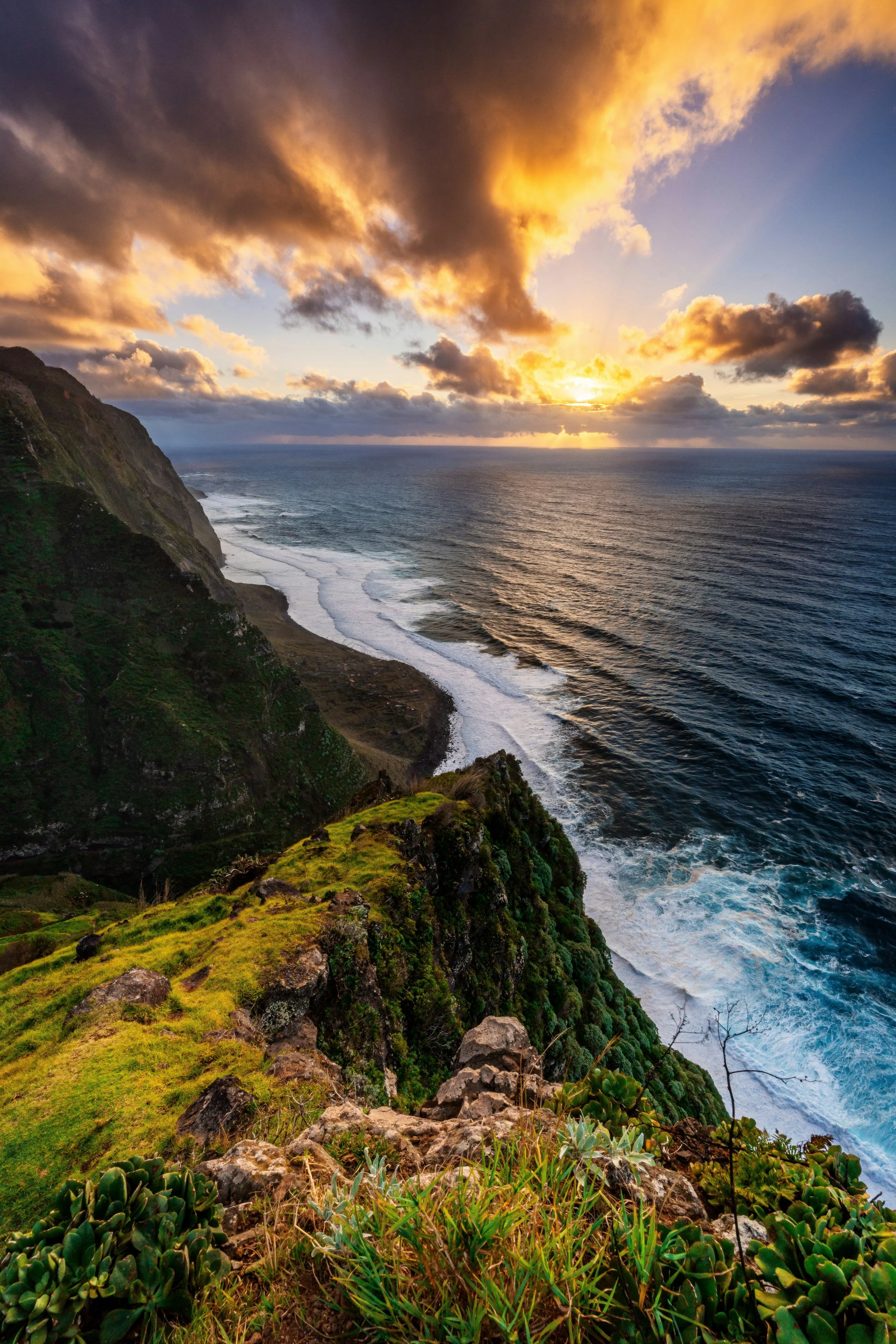
For: A warm-weather European escape in the middle of winter
February presents a challenge for couples dreaming of an outdoor European destination wedding. Much of the continent is firmly in winter - but Madeira plays by different rules.
The Portuguese island has a subtropical climate with mild temperatures throughout the year. Average winter temperatures are around 59-63°F, particularly along the coast, although its mountainous terrain means conditions can vary significantly across the island.
That opens up a completely different February aesthetic: dramatic cliffs, tropical greenery, Atlantic views and garden settings rather than snow.
You shouldn't choose Madeira expecting guaranteed summer weather. You should choose it because it offers one of Europe's most convincing answers to a winter wedding that still feels lush and outdoorsy.
Why February: Mild temperatures and extraordinary landscapes when much of Europe is cold.
The look: Botanical, coastal, intimate and dramatic.
March - Andalusia, Spain
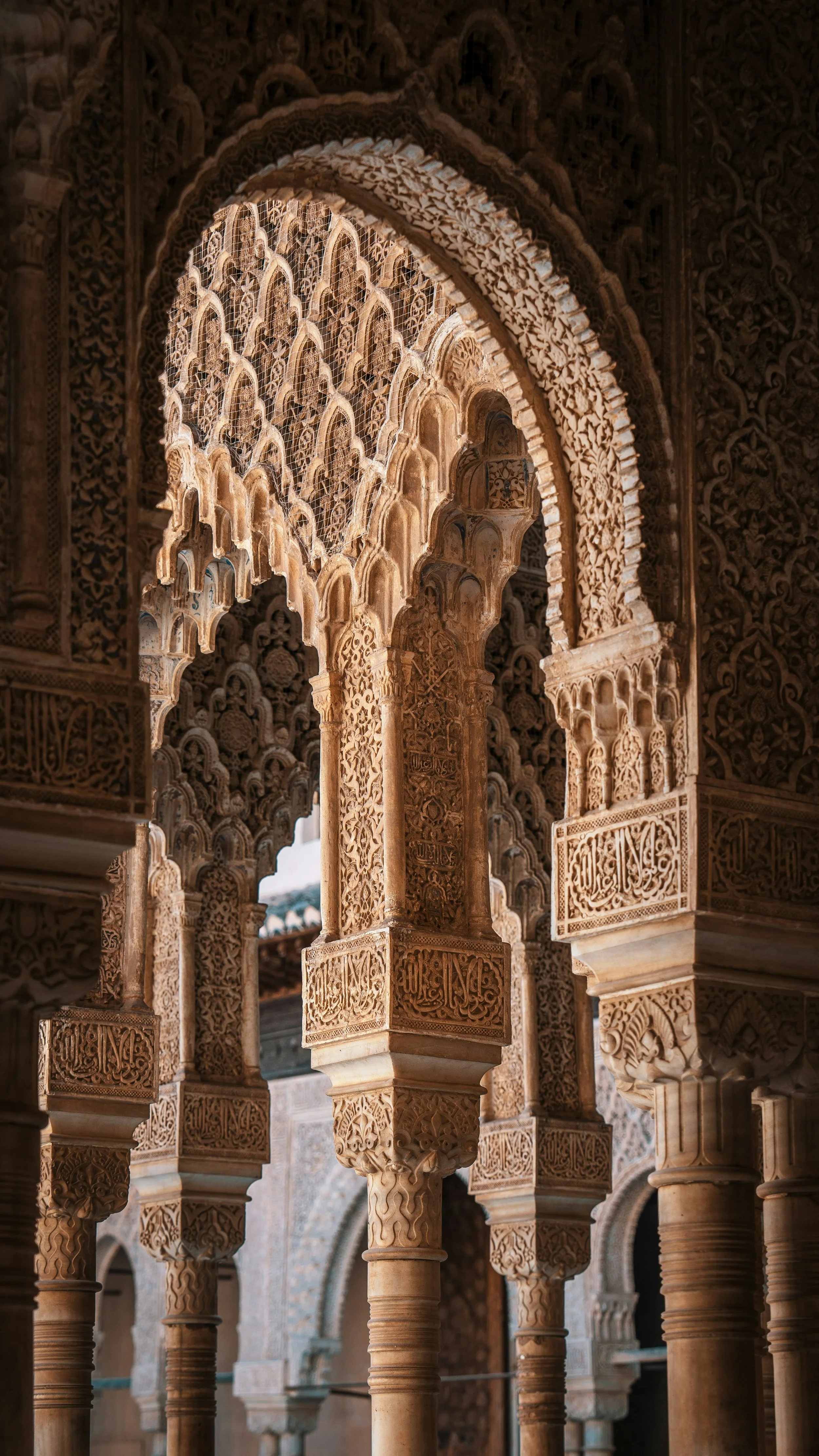
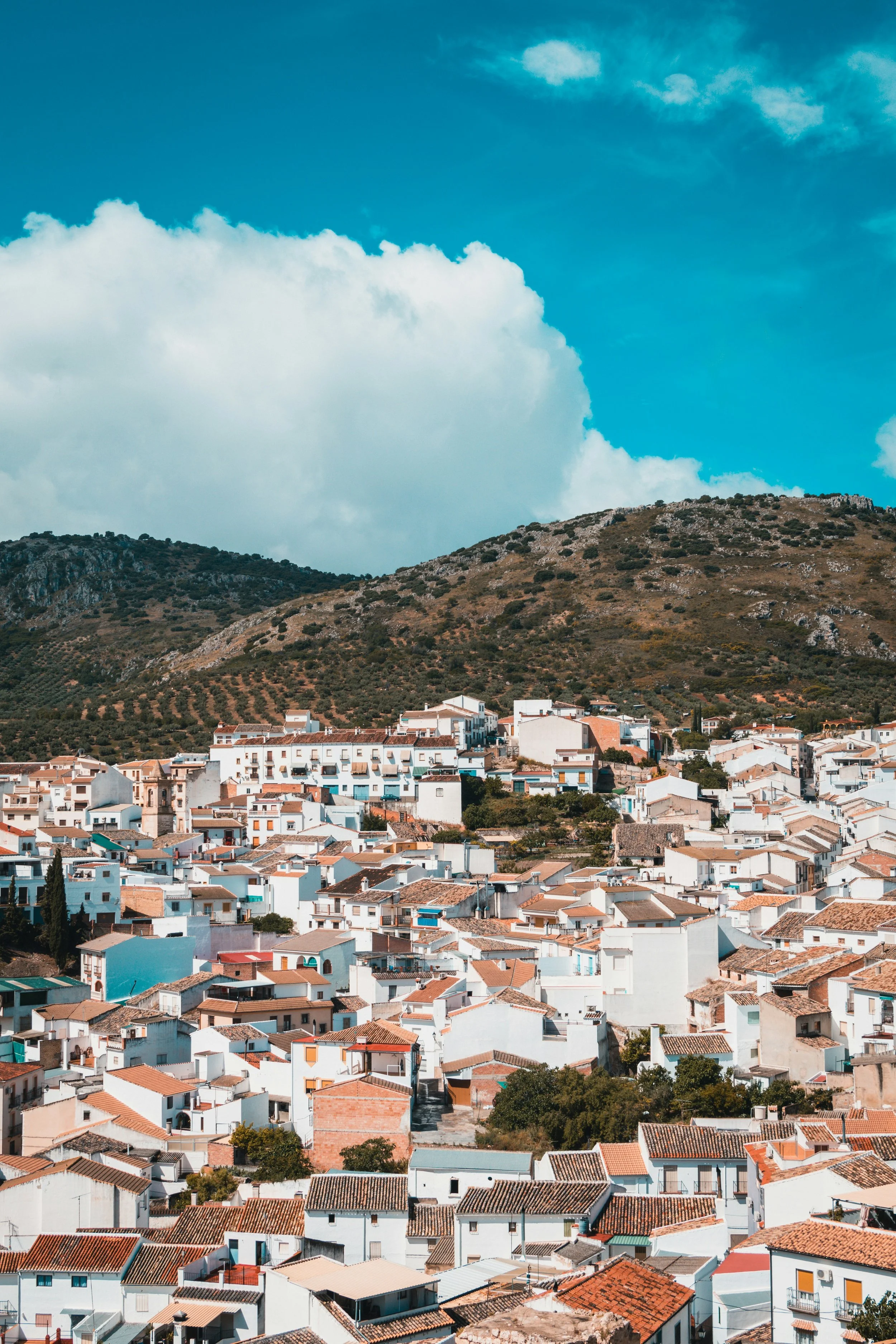
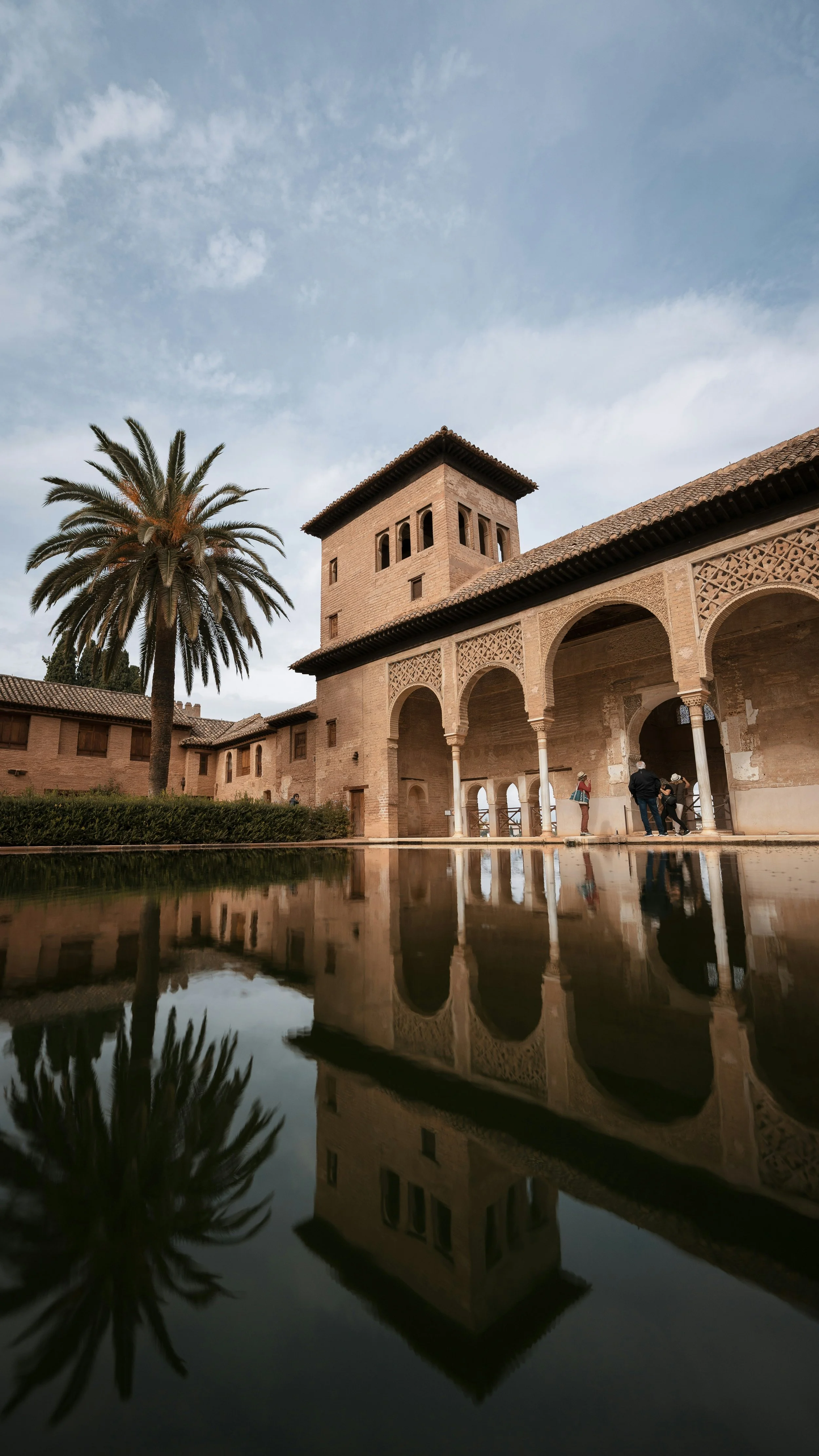
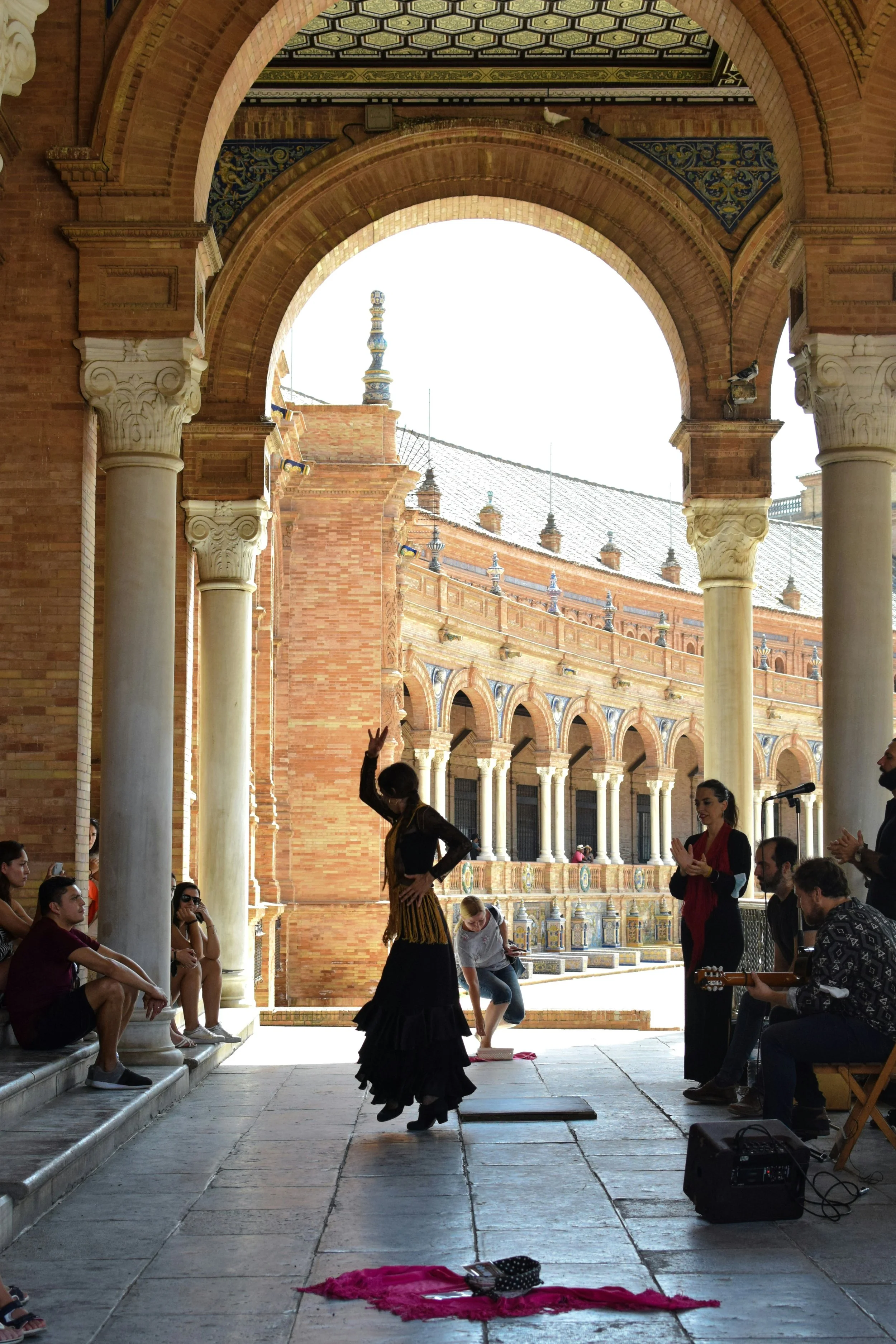
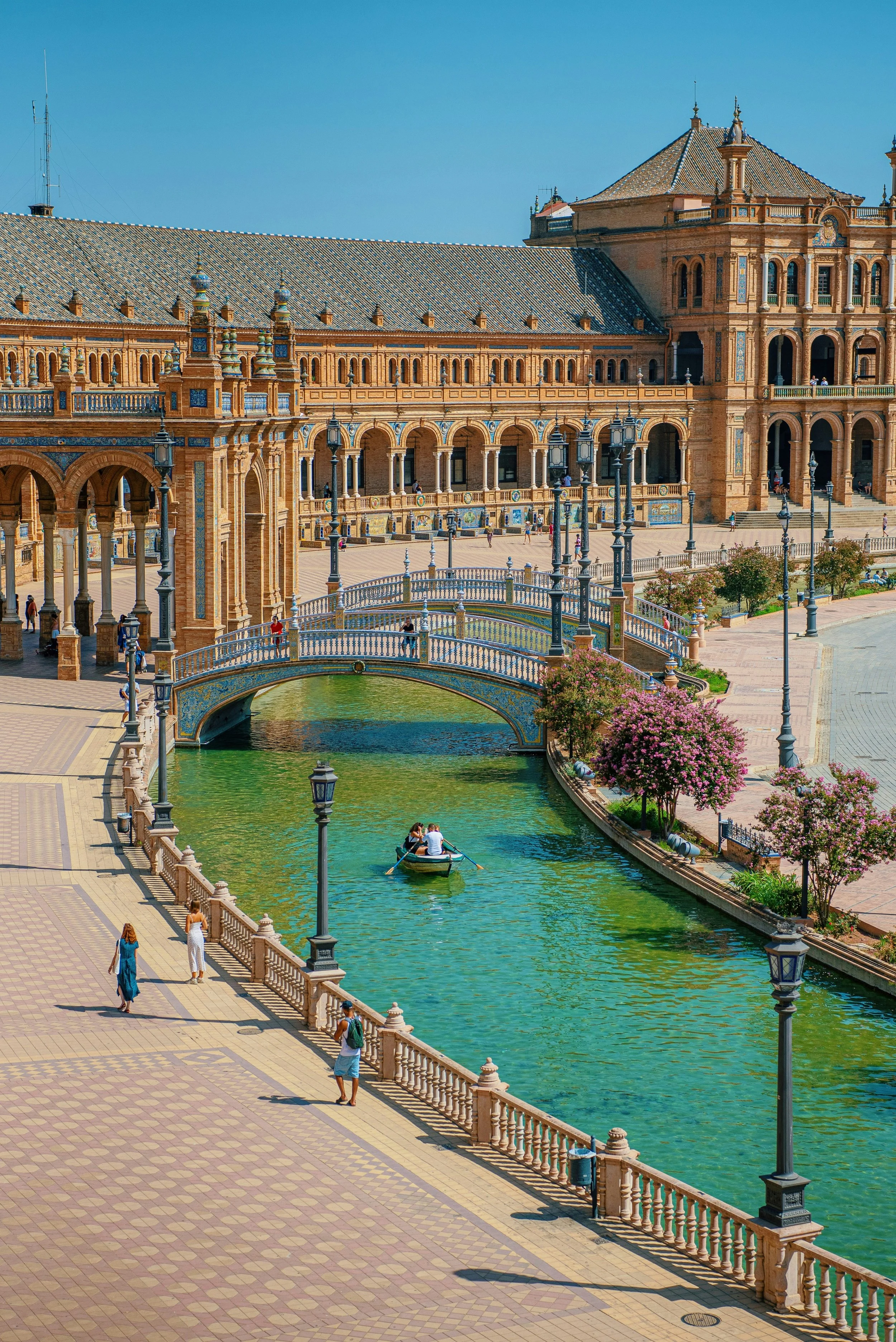
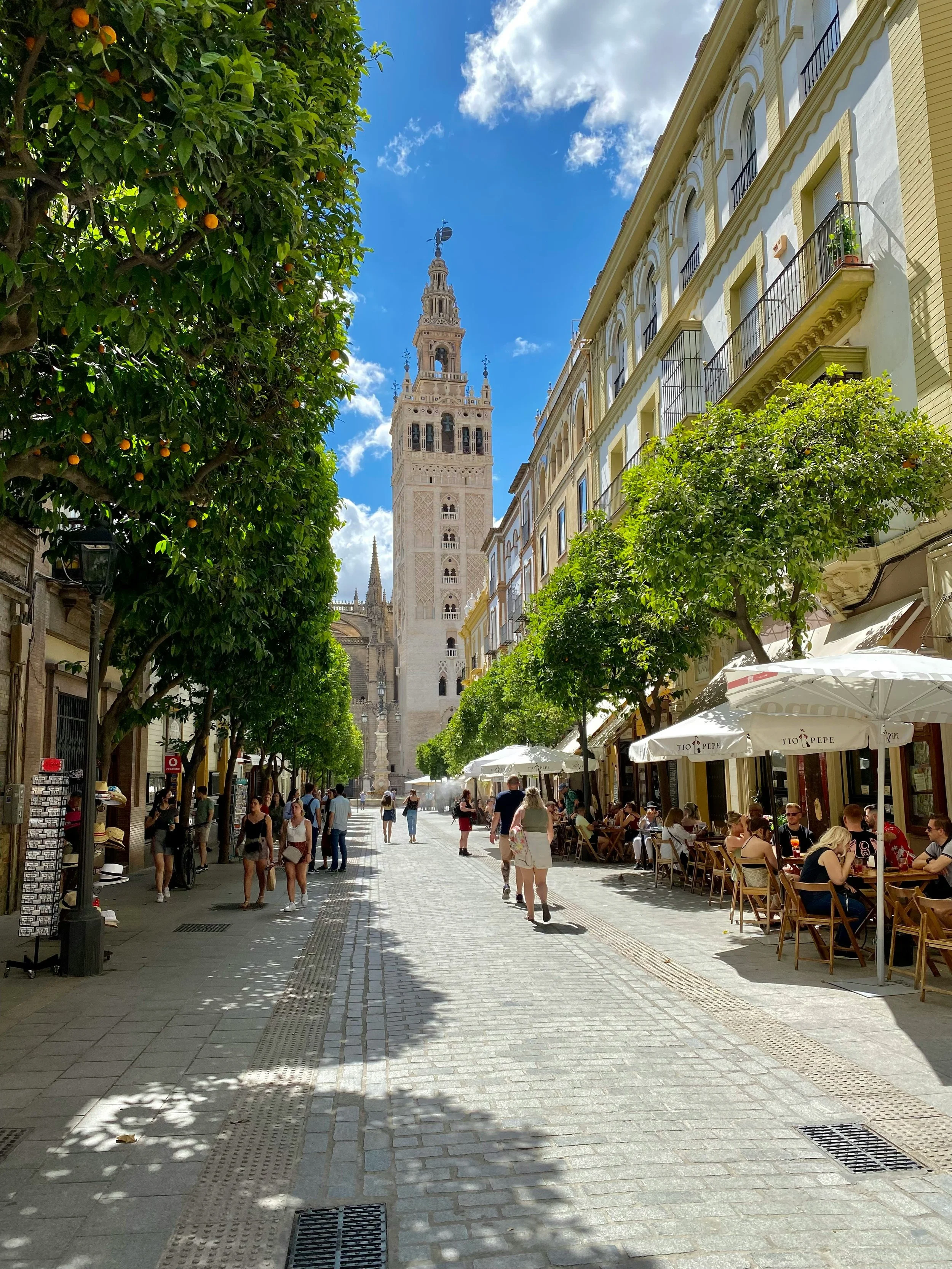
For: Spanish architecture, courtyards and sunshine without midsummer heat
By March, our calendar starts heading south.
Andalusia has a predominantly warm Mediterranean climate, with mild winters and hot, dry summers. The region averages more than 300 days of sunshine annually.
For weddings, that makes early spring particularly interesting.
Seville, Córdoba, Granada and the surrounding countryside offer haciendas, palaces, tiled courtyards, orange trees and historic estates - without deliberately choosing the region during the hottest part of the year.
There is still weather risk in March, and evenings can be cool, so a beautiful indoor option remains important. But for couples drawn to southern Spain, March offers a very different proposition from peak summer.
Why March: Southern Spain begins to feel like spring while much of Europe is still emerging from winter.
The look: Hacienda courtyards, citrus trees, patterned tiles and candlelit dinners.
April - The Algarve, Portugal
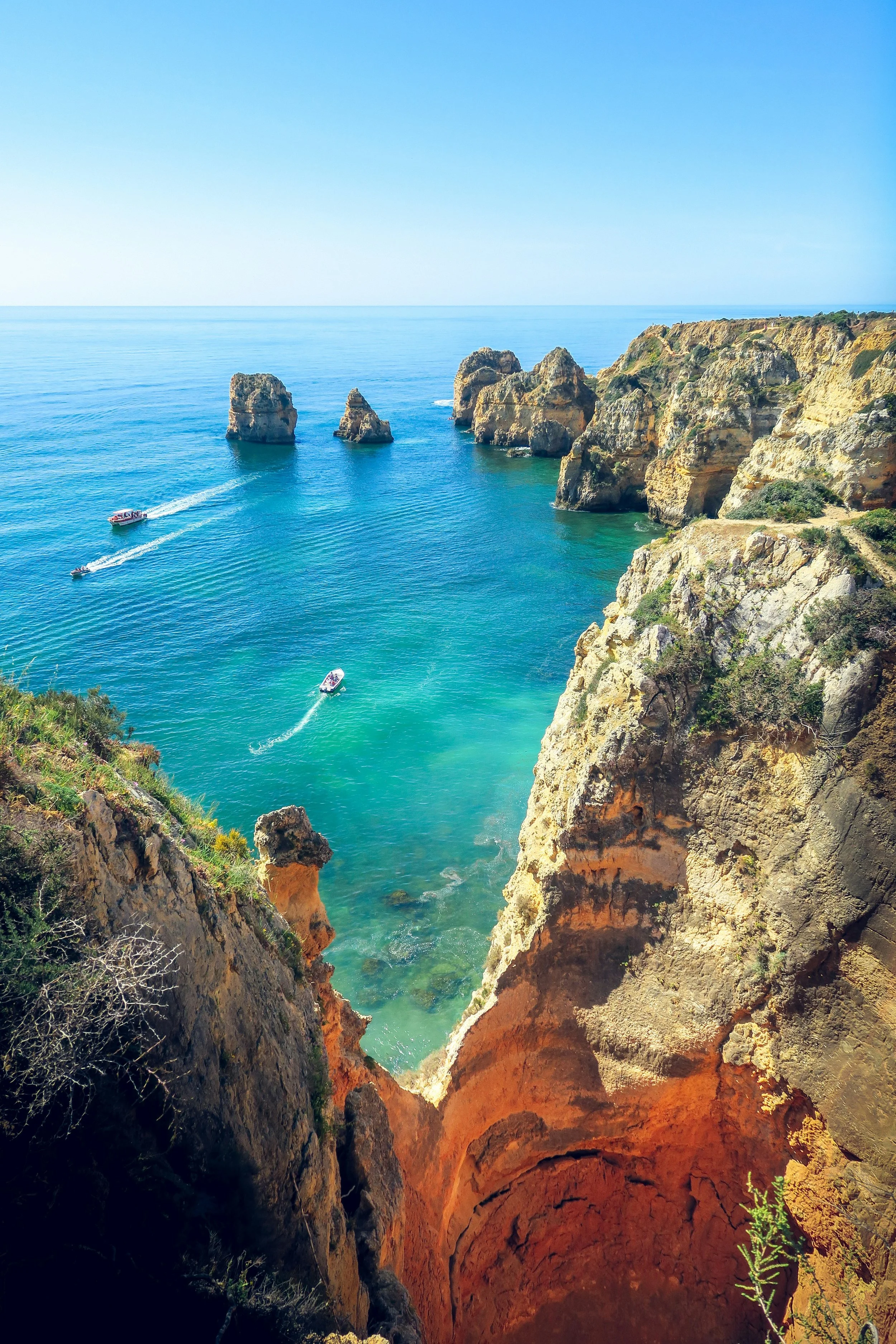
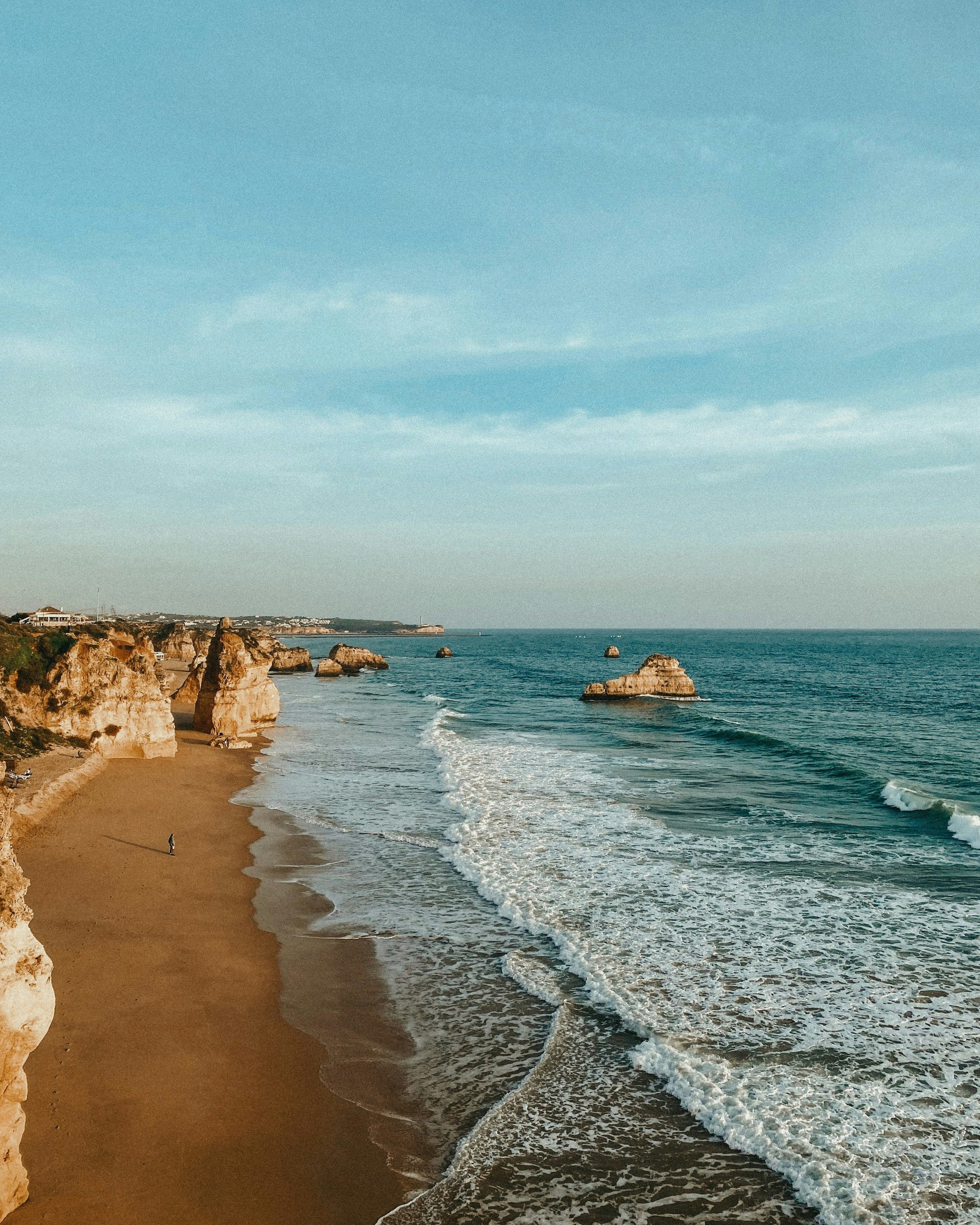
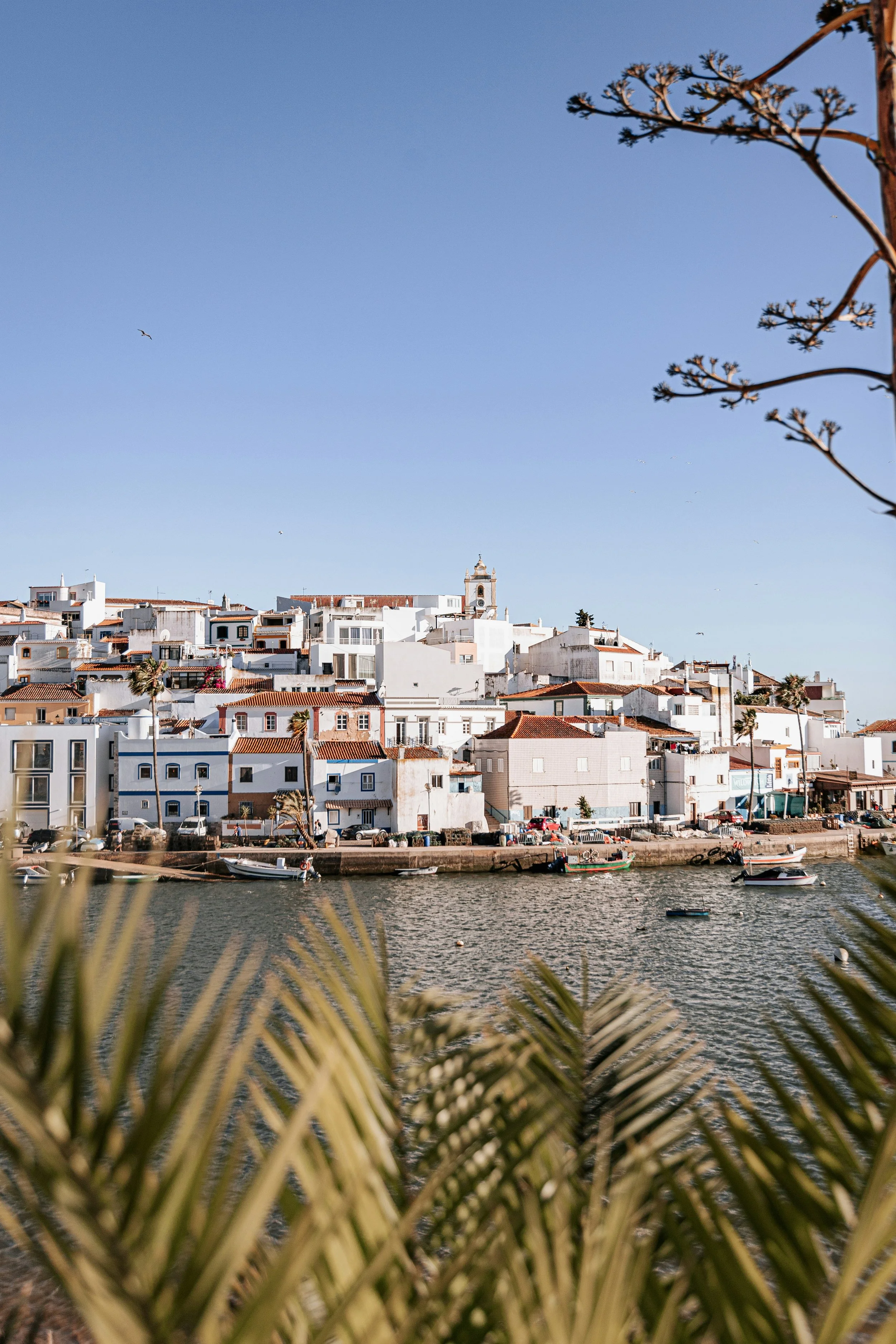
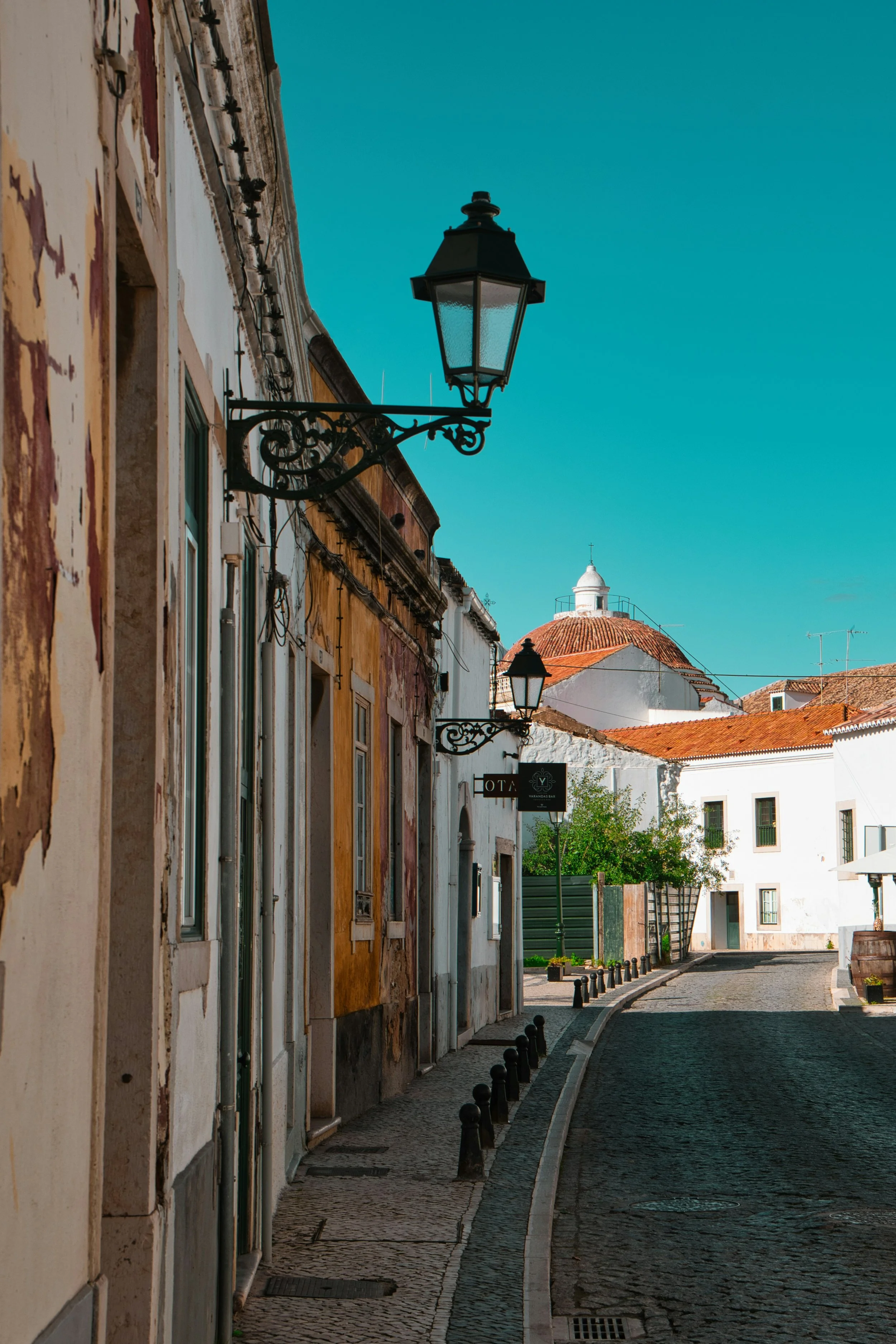
For: Coastal weddings before the summer rush
April is when Europe's wedding map starts opening up.
For us, this is when the Algarve enters the conversation.
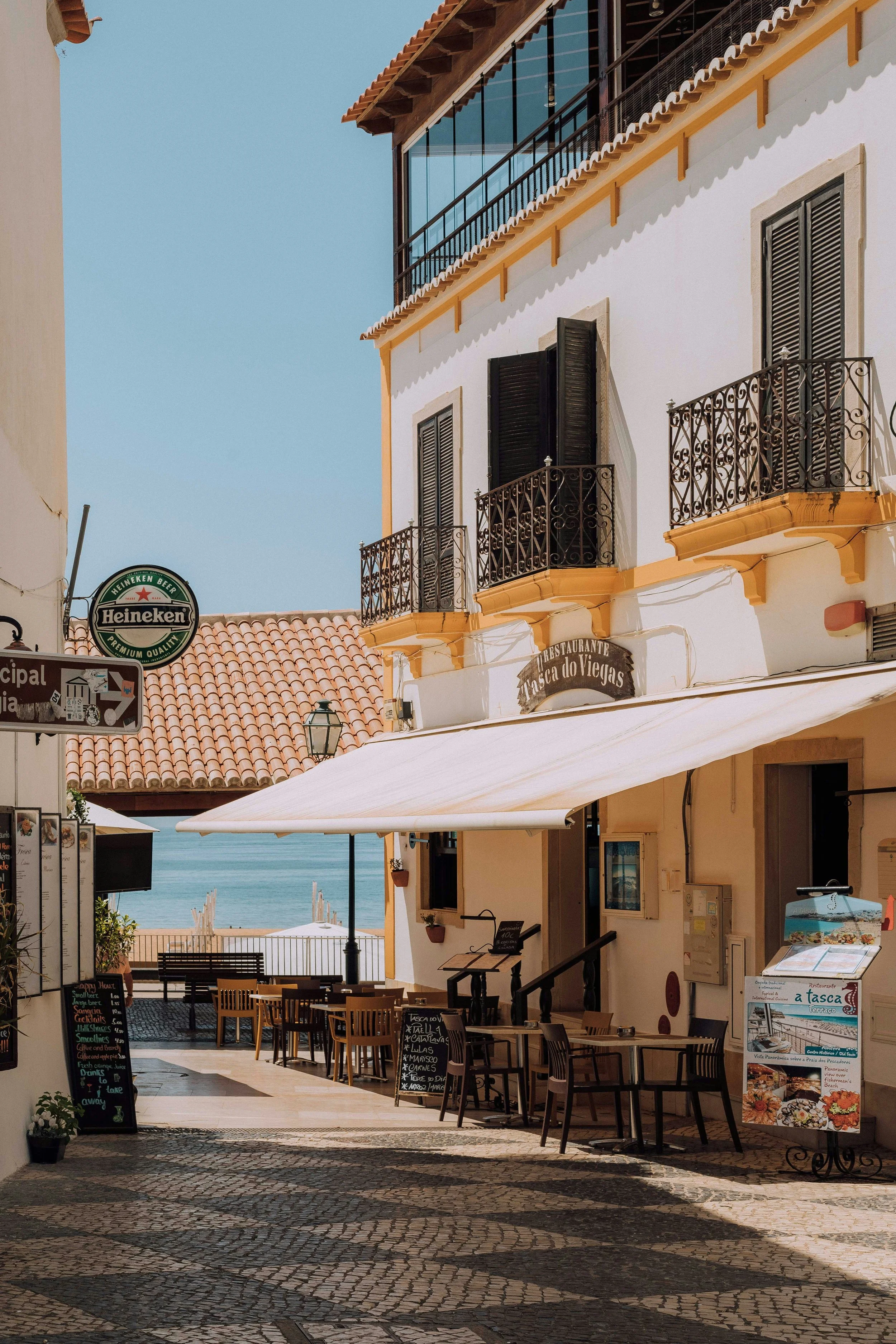
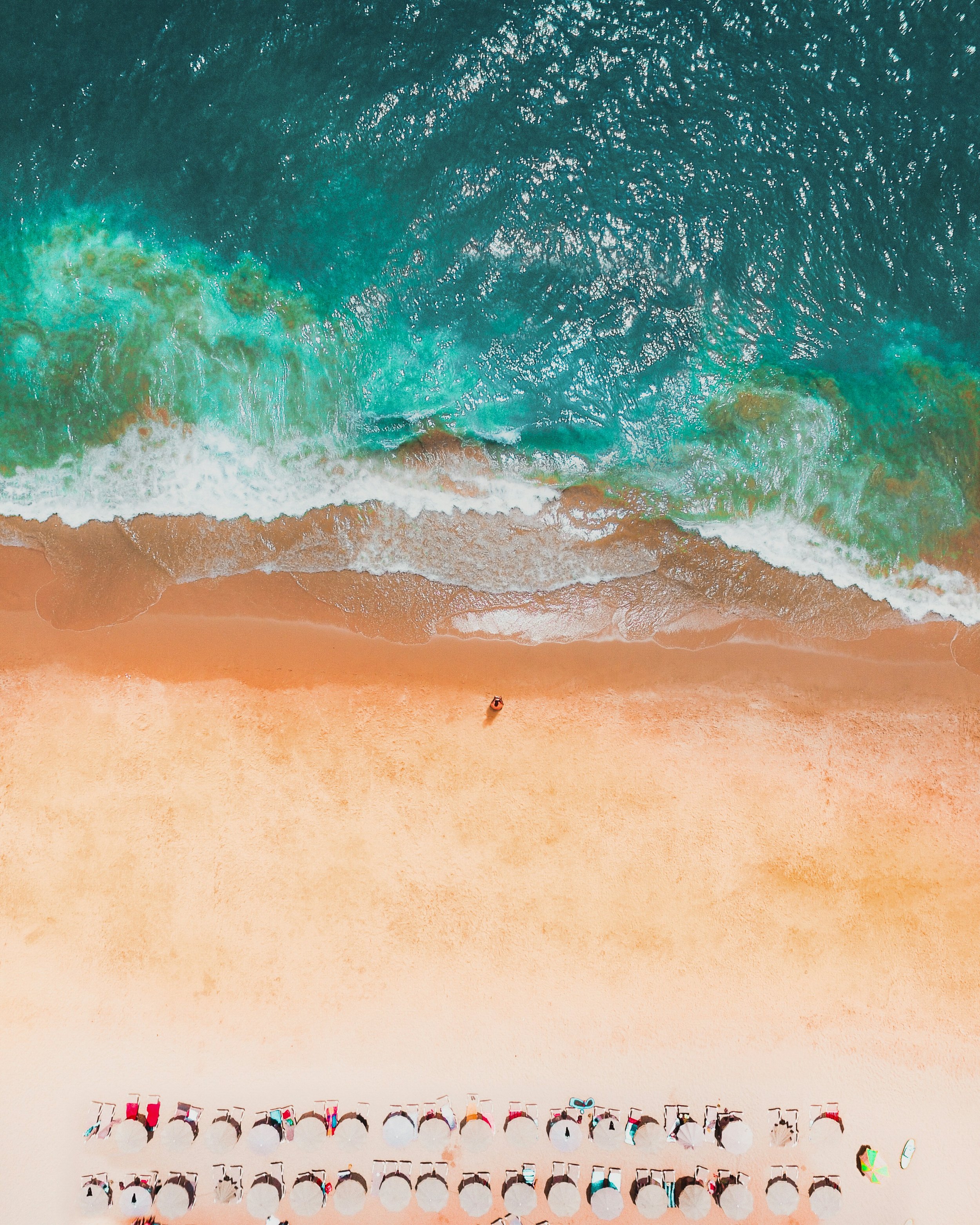
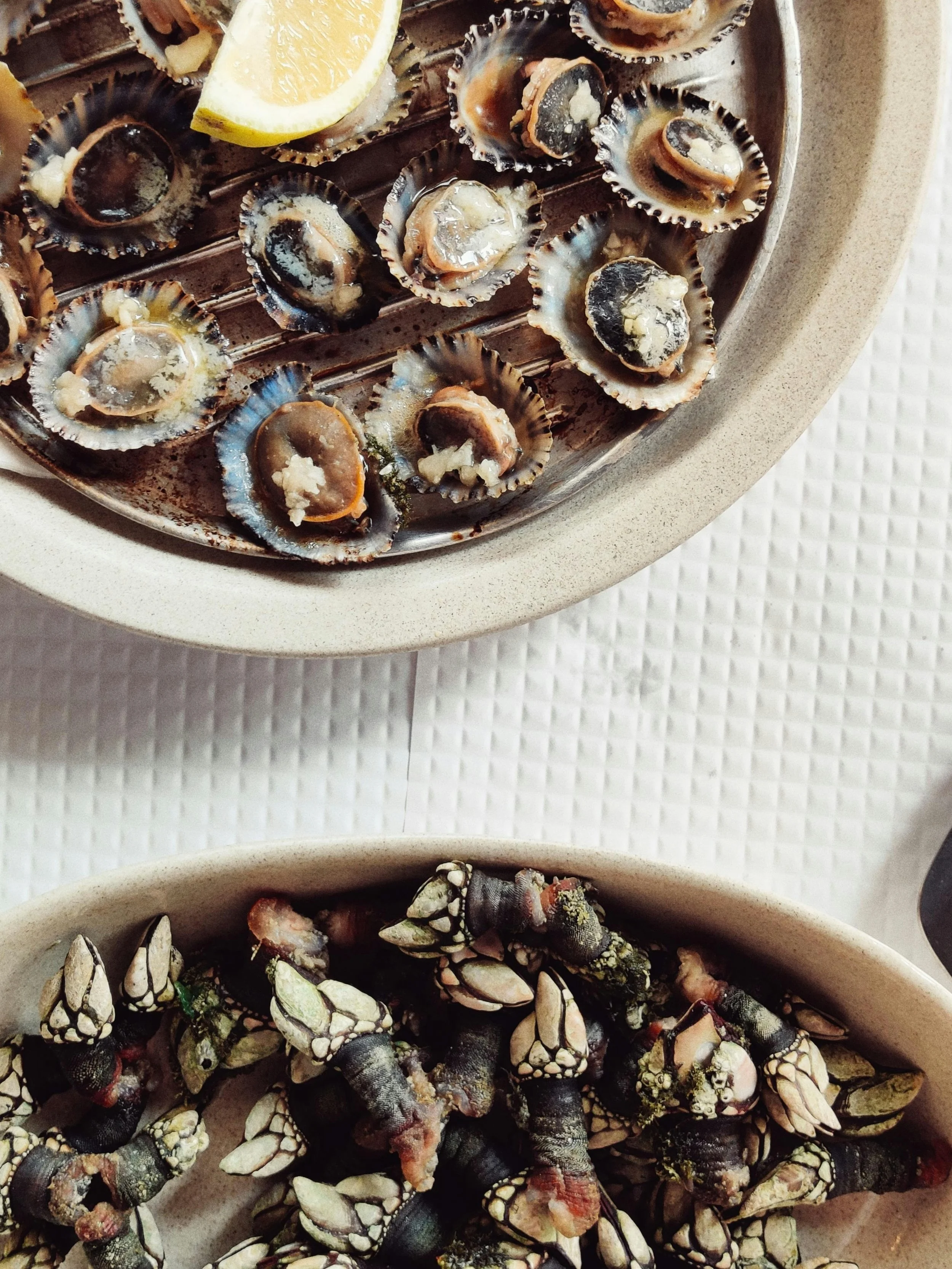
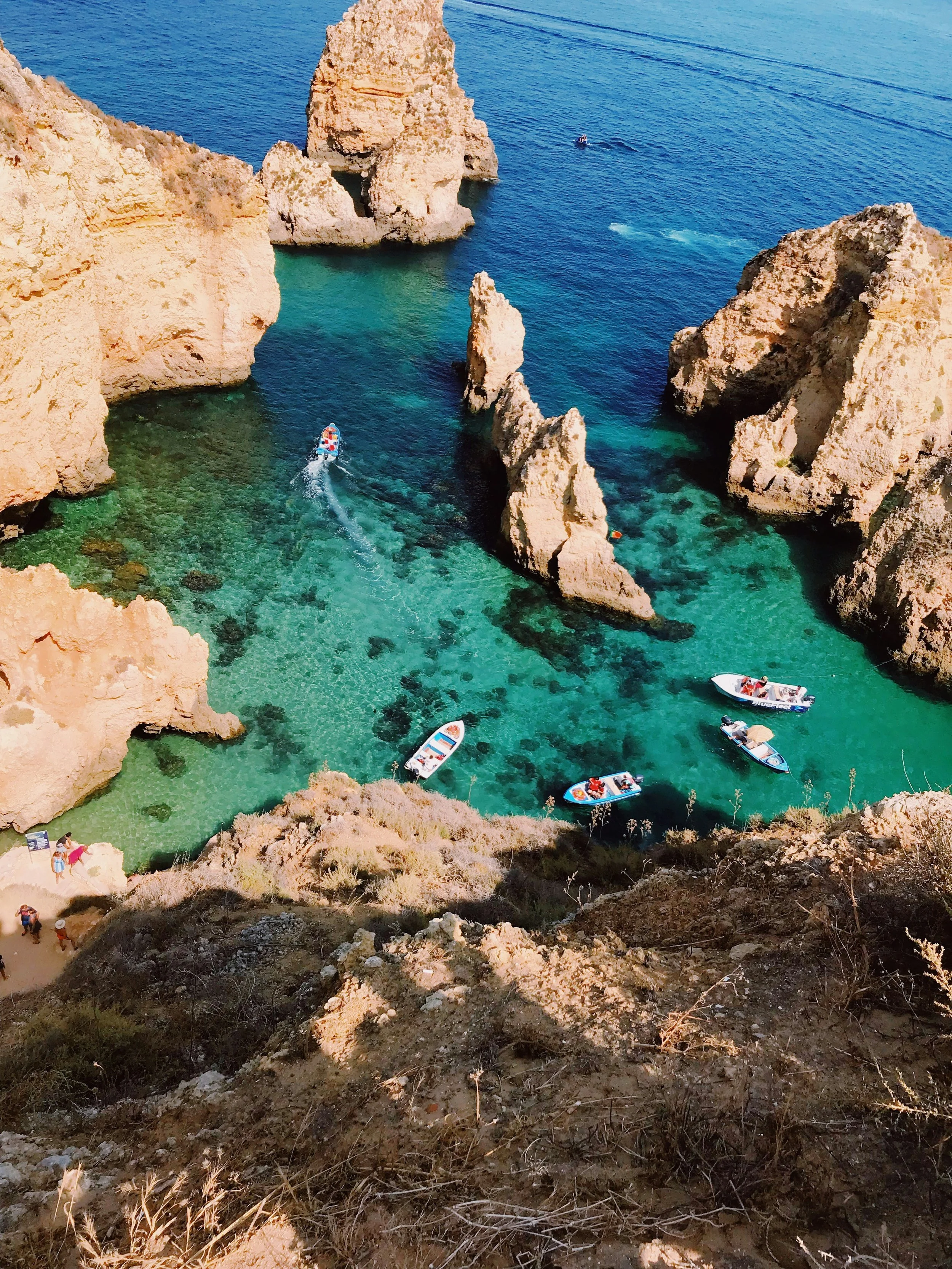
Think ochre cliffs, whitewashed buildings, Atlantic views, olive trees and long lunches overlooking the water. It has the visual appeal of a summer destination wedding without requiring you to schedule your celebration in July or August.
April is still shoulder season, so couples should plan properly for variable spring conditions and prioritize venues with an indoor alternative. But that's also part of its appeal: the Algarve hasn't yet reached its full summer intensity.
Why April: A chance to get ahead of Europe's peak wedding and travel season.
The look: White linen, coastal cliffs, lemons, blue water and relaxed Portuguese dinners.
May - Tuscany, Italy
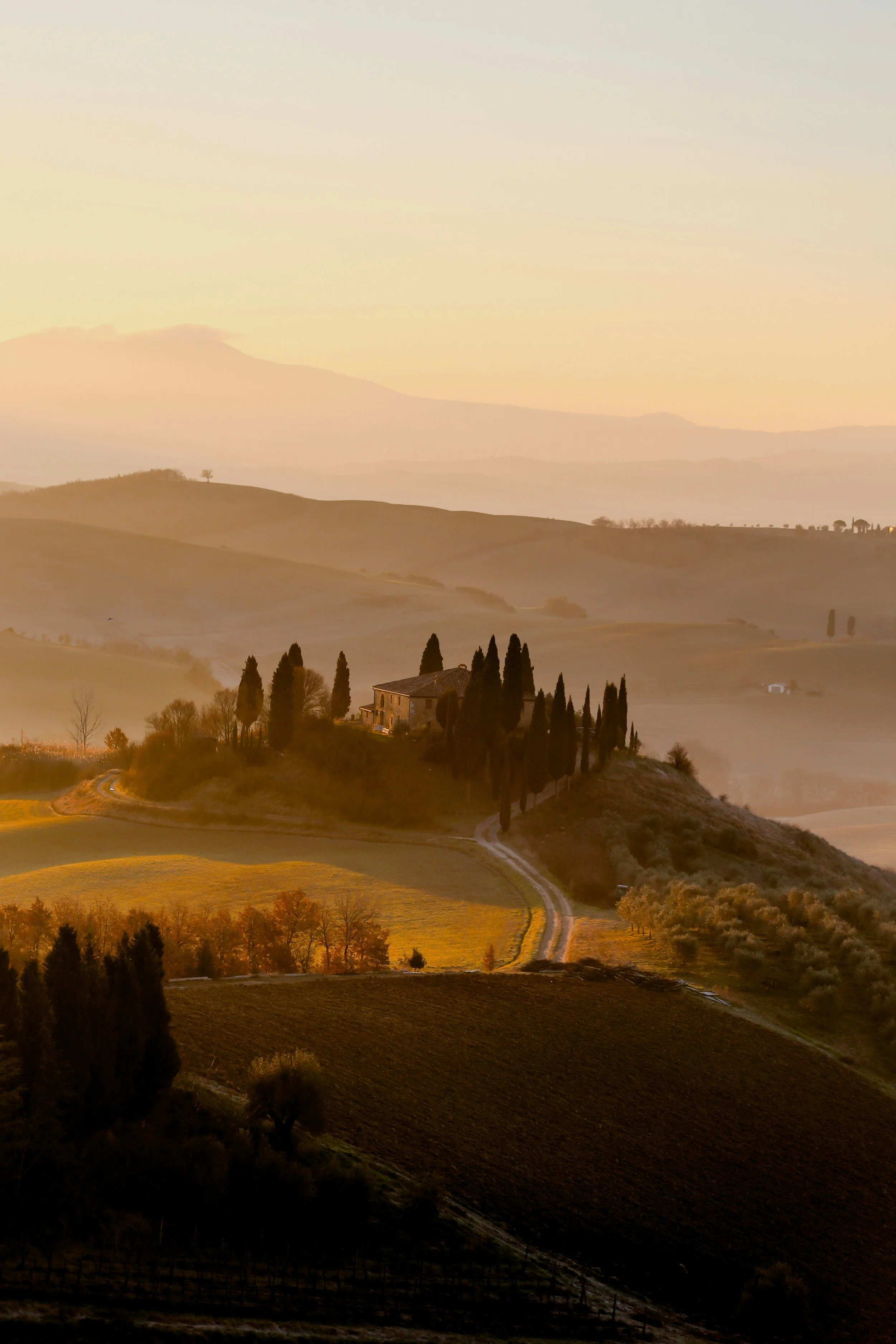
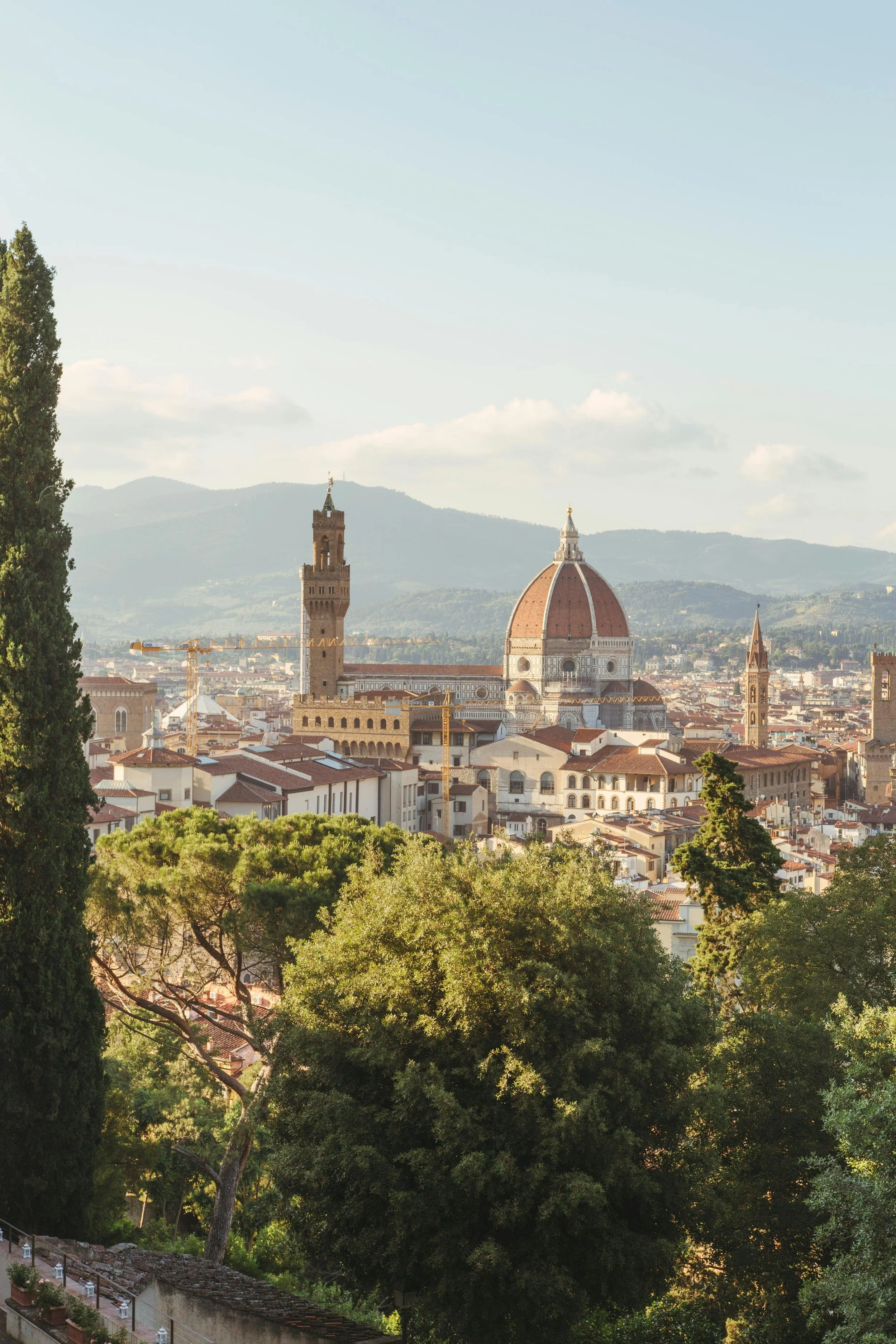
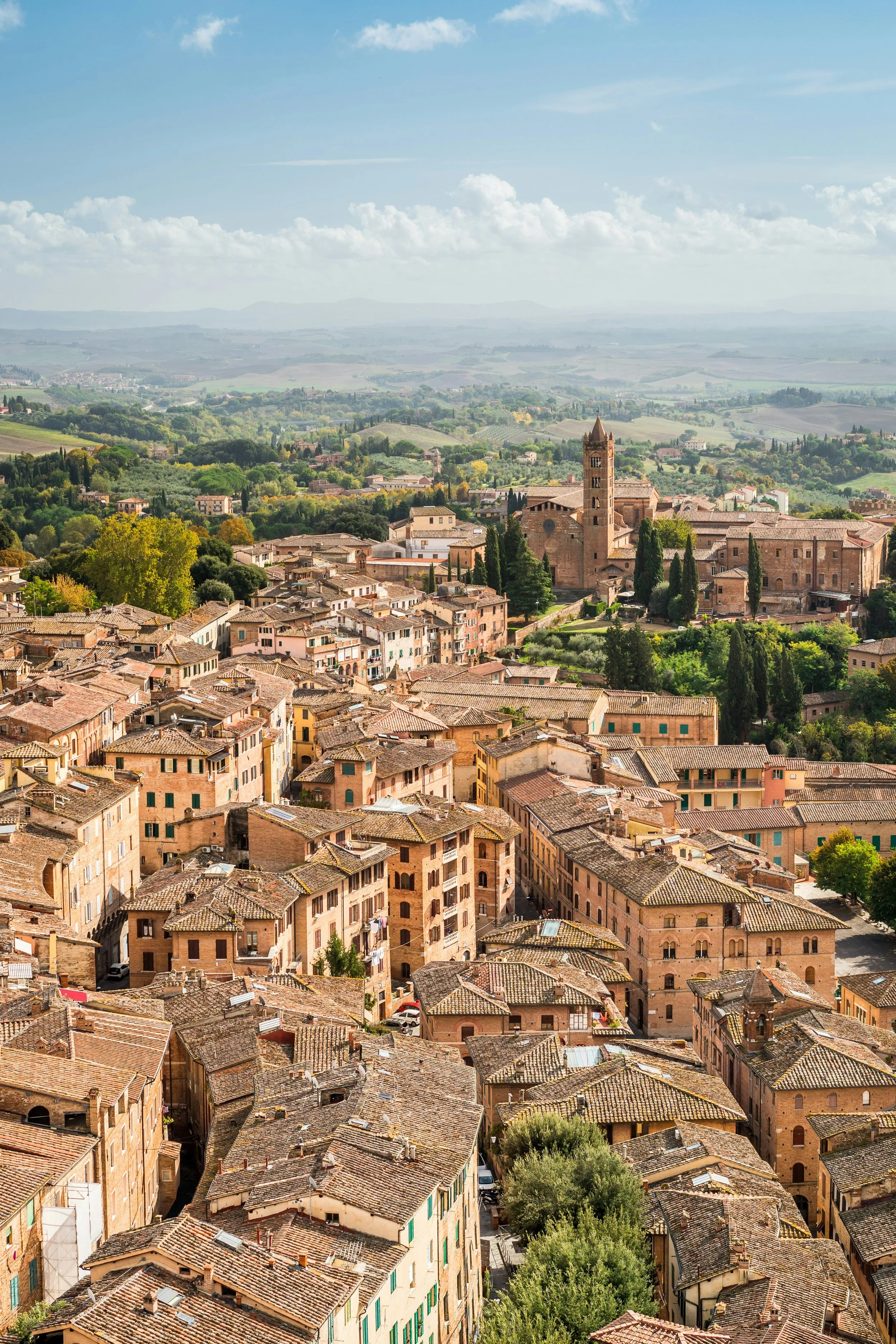
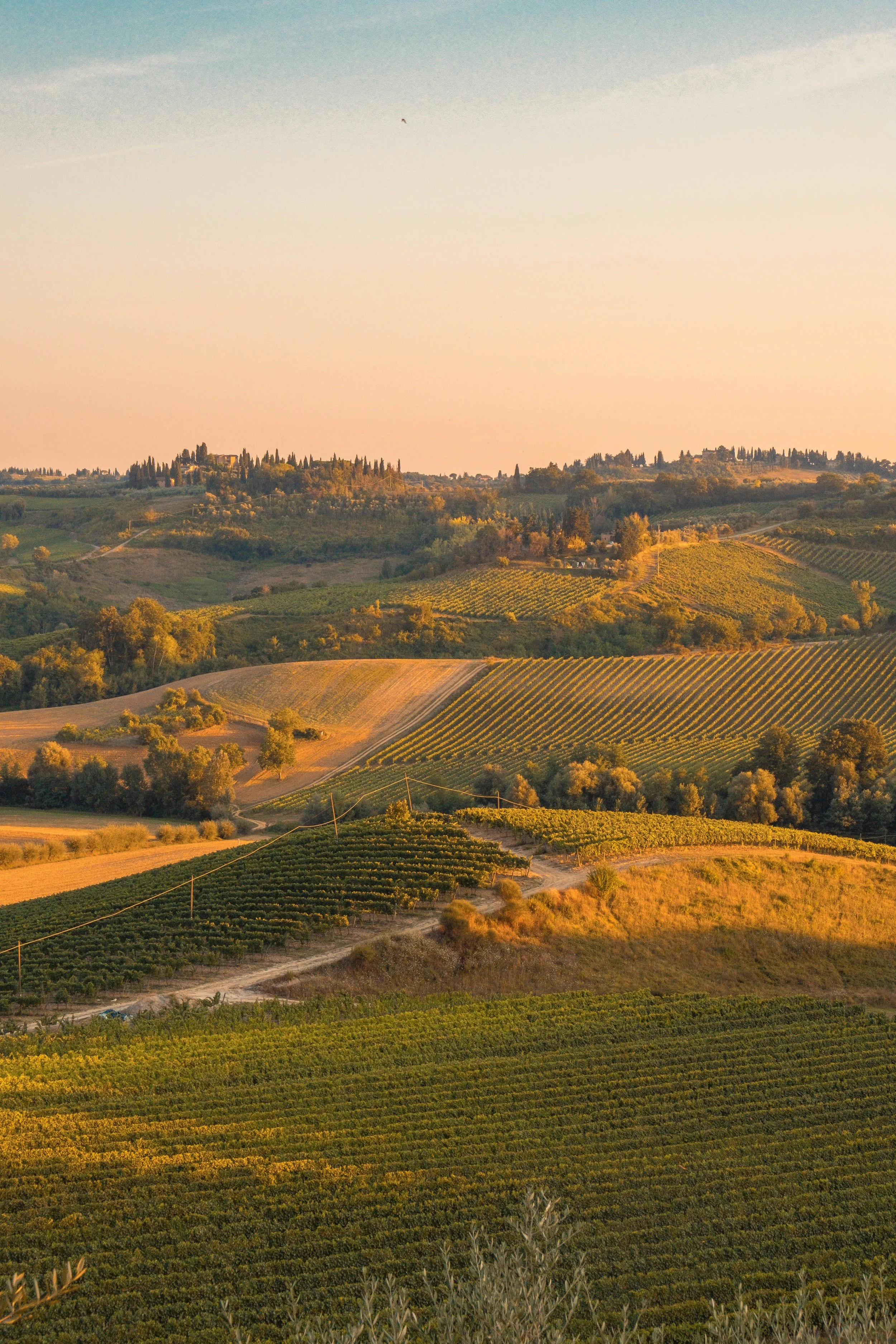
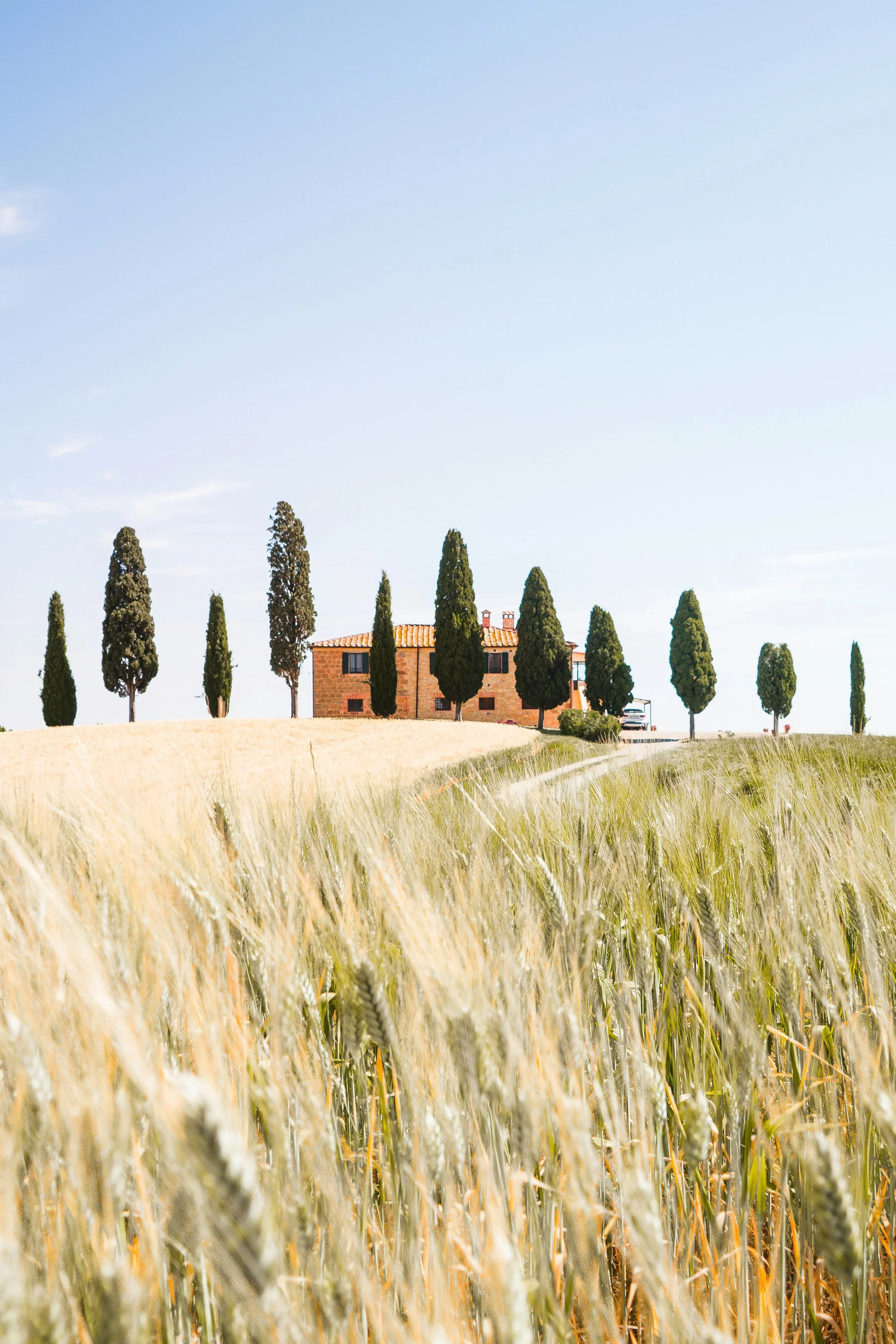
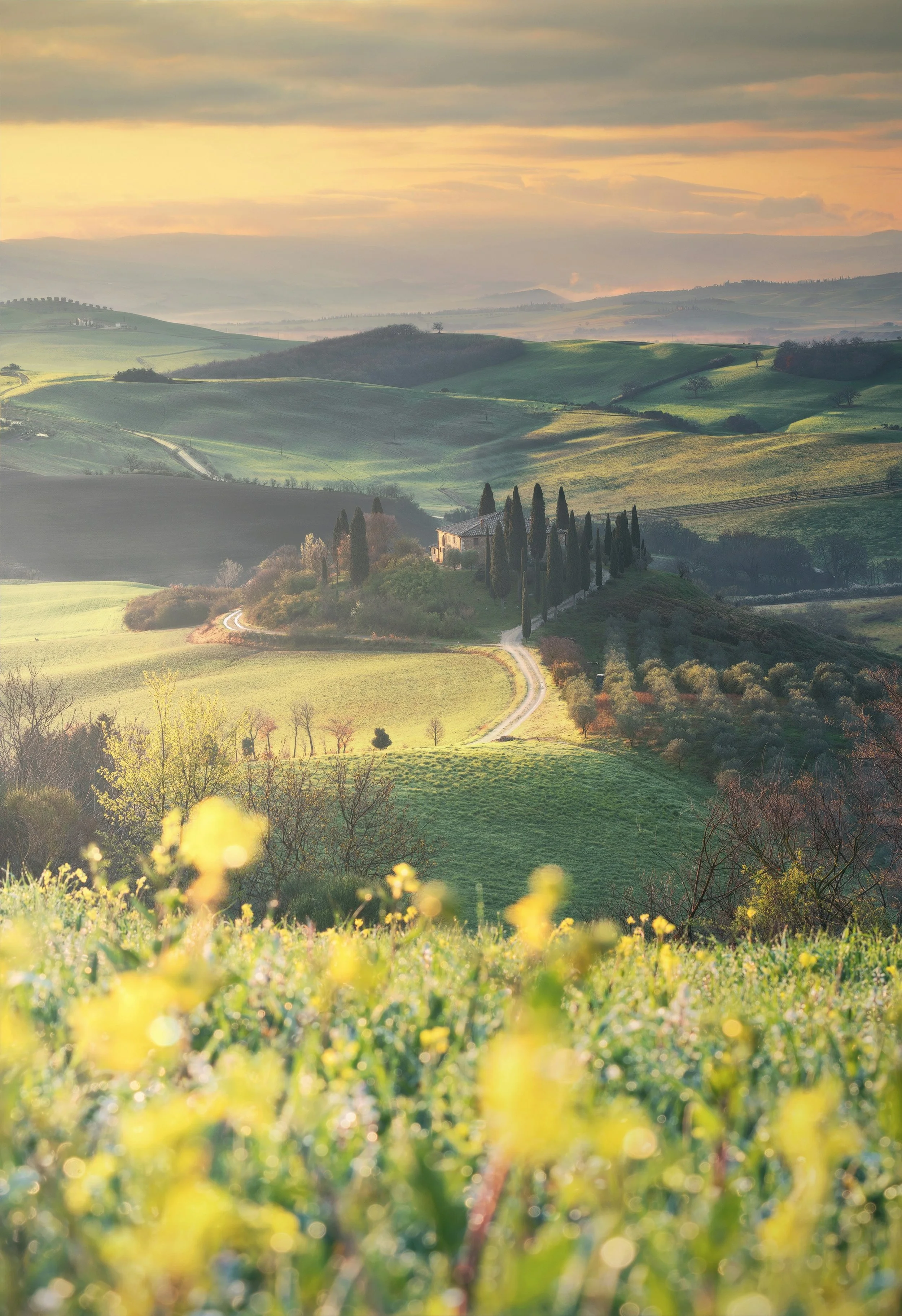
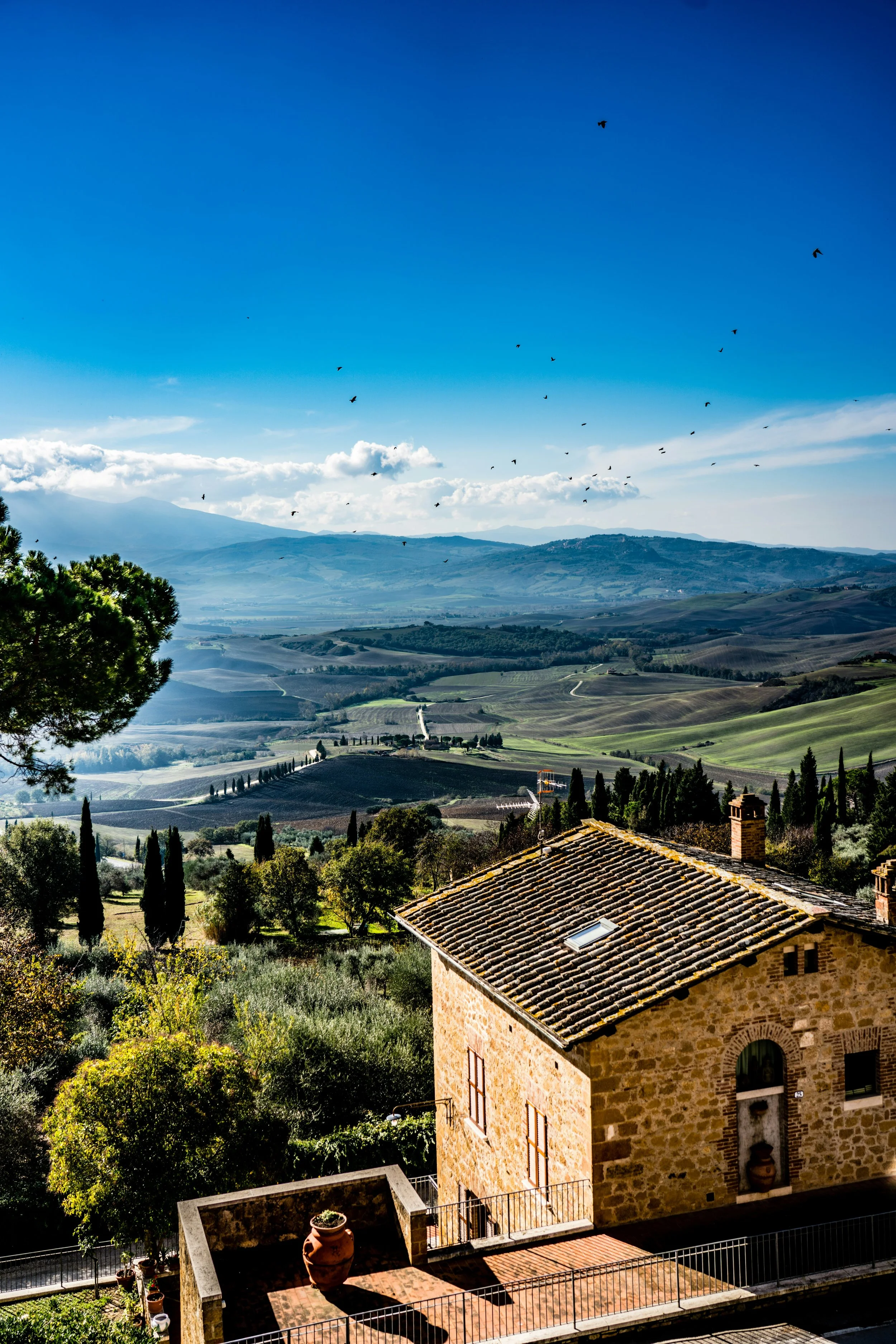
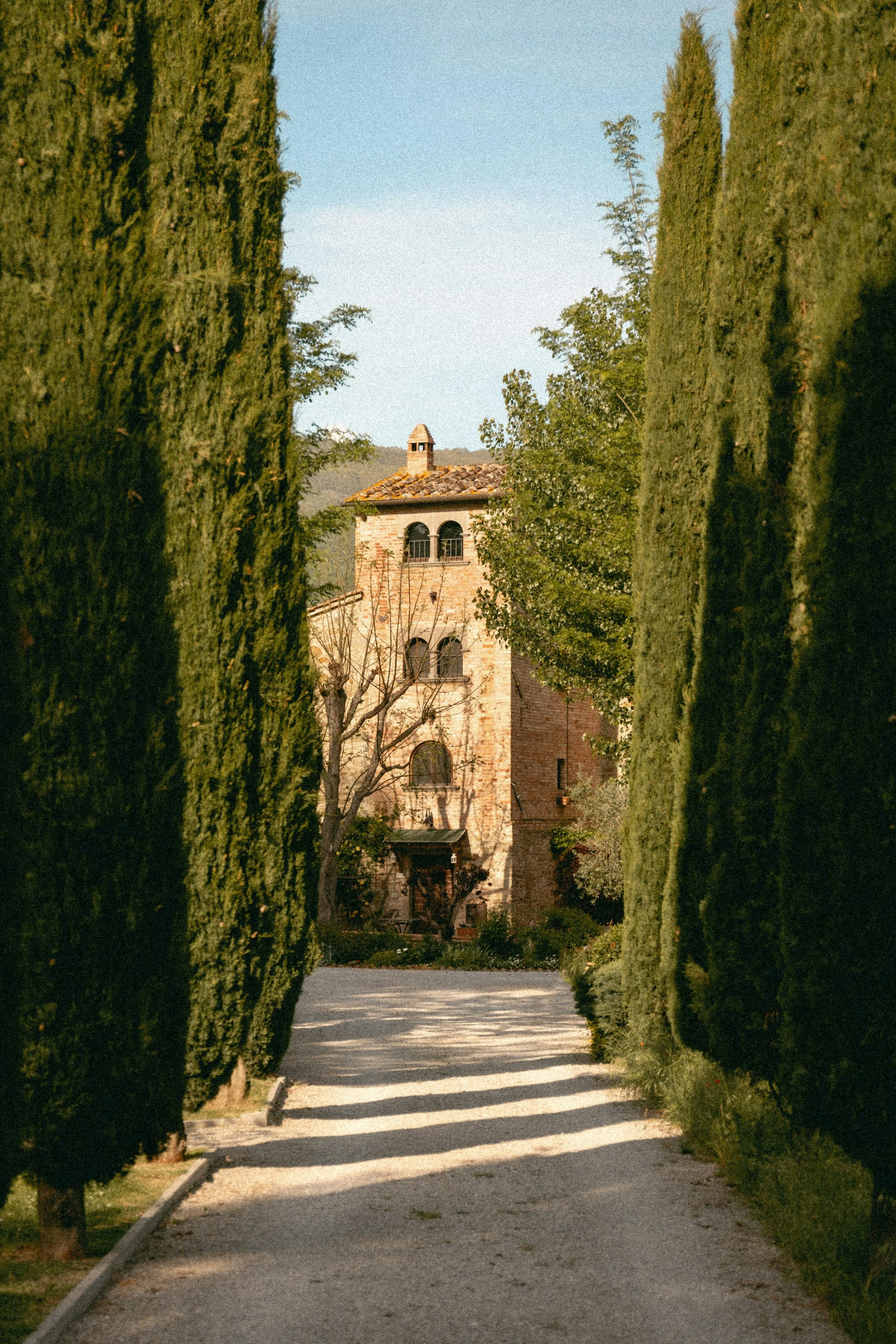
For: The quintessential European countryside wedding
If we could choose just one month for Tuscany, it would be May.
The Tuscan tourism board itself describes May as one of the best months to visit. The countryside is green, villages are filled with flowers, days are getting longer and typical spring highs across April, May and June sit roughly between 59°F and 77°F.
More importantly for weddings, you're seeing Tuscany before the hottest and busiest stretch of summer. Mid-June through August is considered peak season, with larger crowds and July and August temperatures that can climb considerably higher.
May gives you the Tuscany people picture when they imagine getting married in Italy: green hills, long tables outside, historic villas, vineyards and gardens in bloom.
Why May: Tuscany is green, floral and warm without being at the height of summer.
The look: Garden roses, stone villas, rolling hills and dinner beneath the stars.
June - Lake Como, Italy
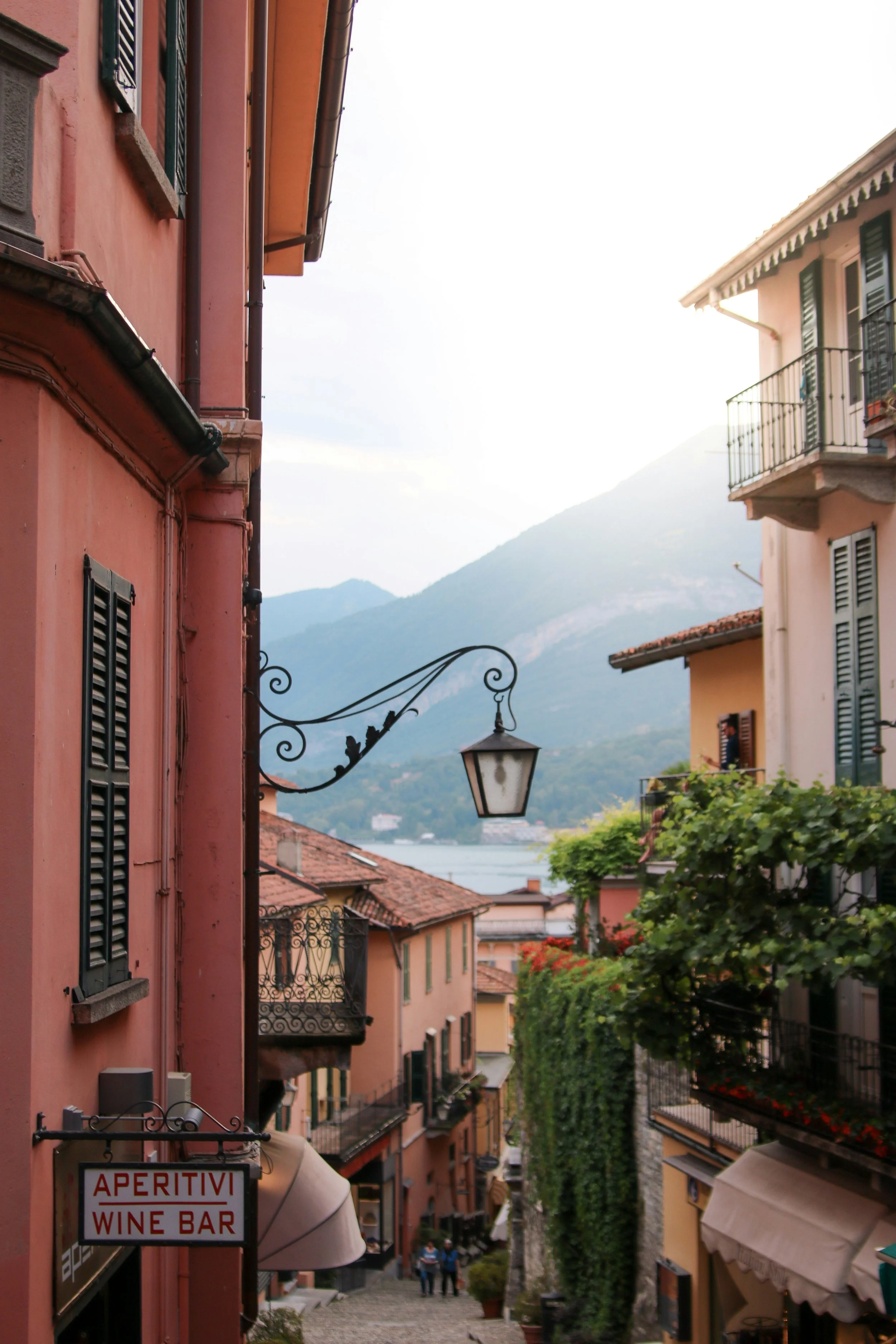
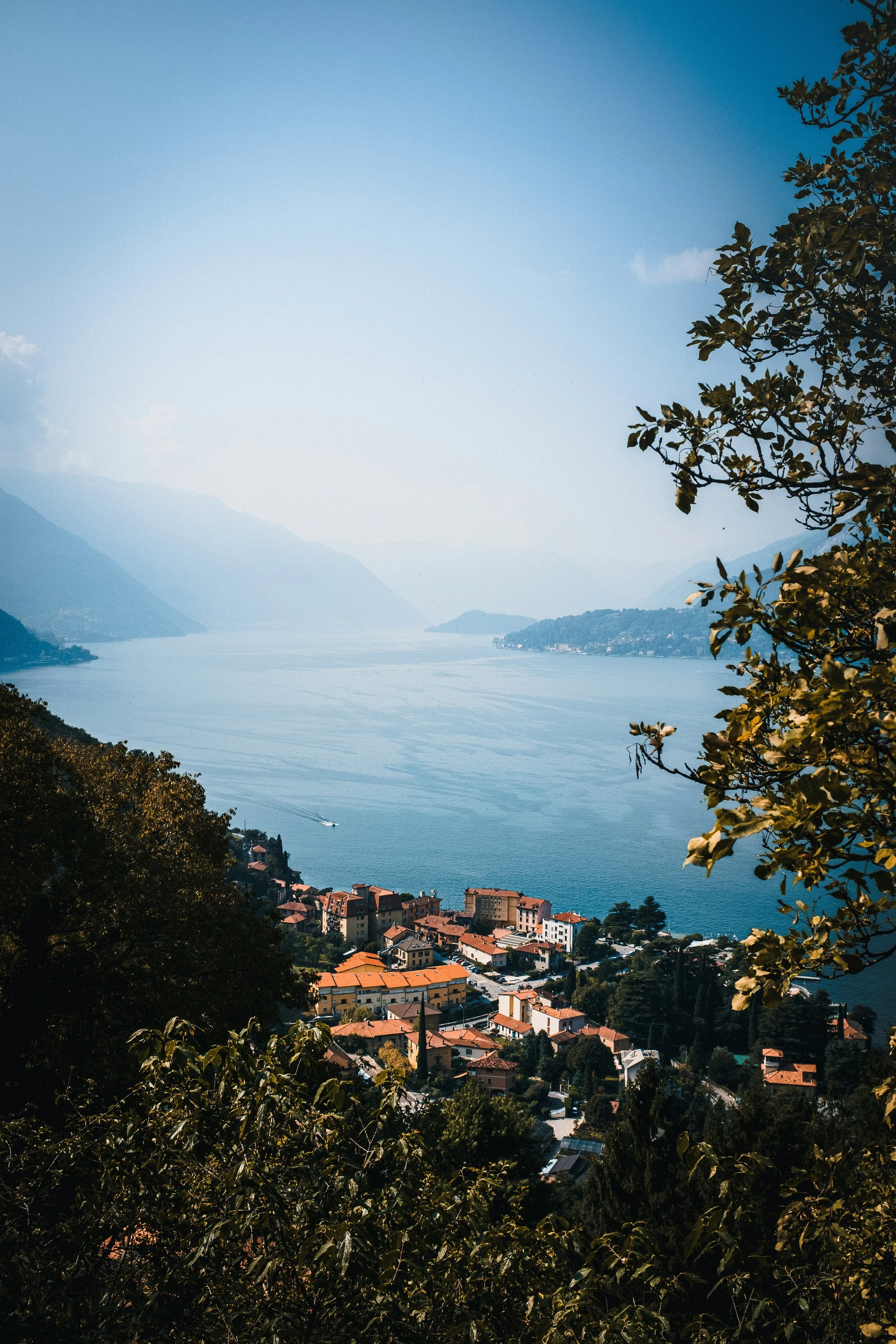
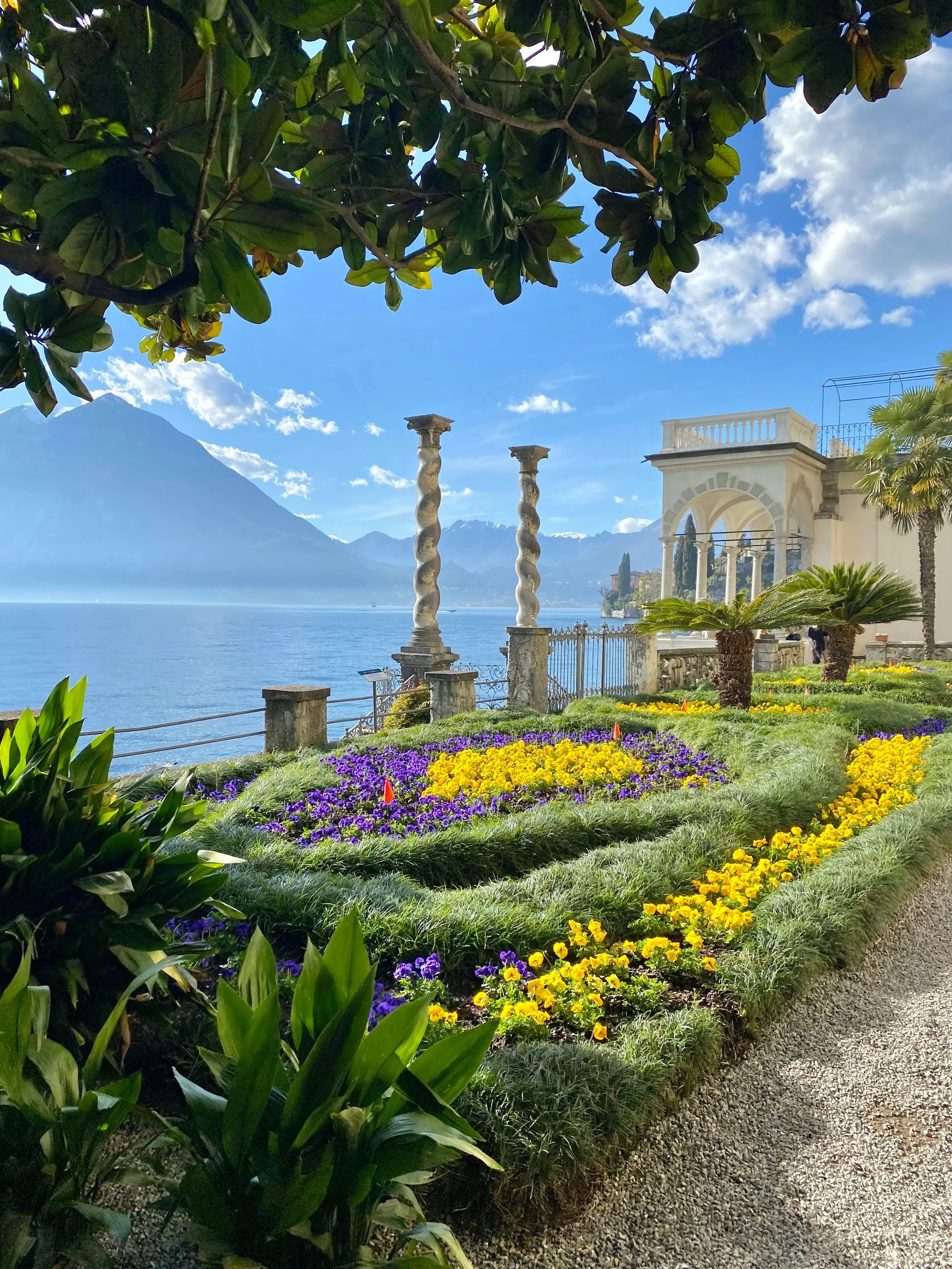
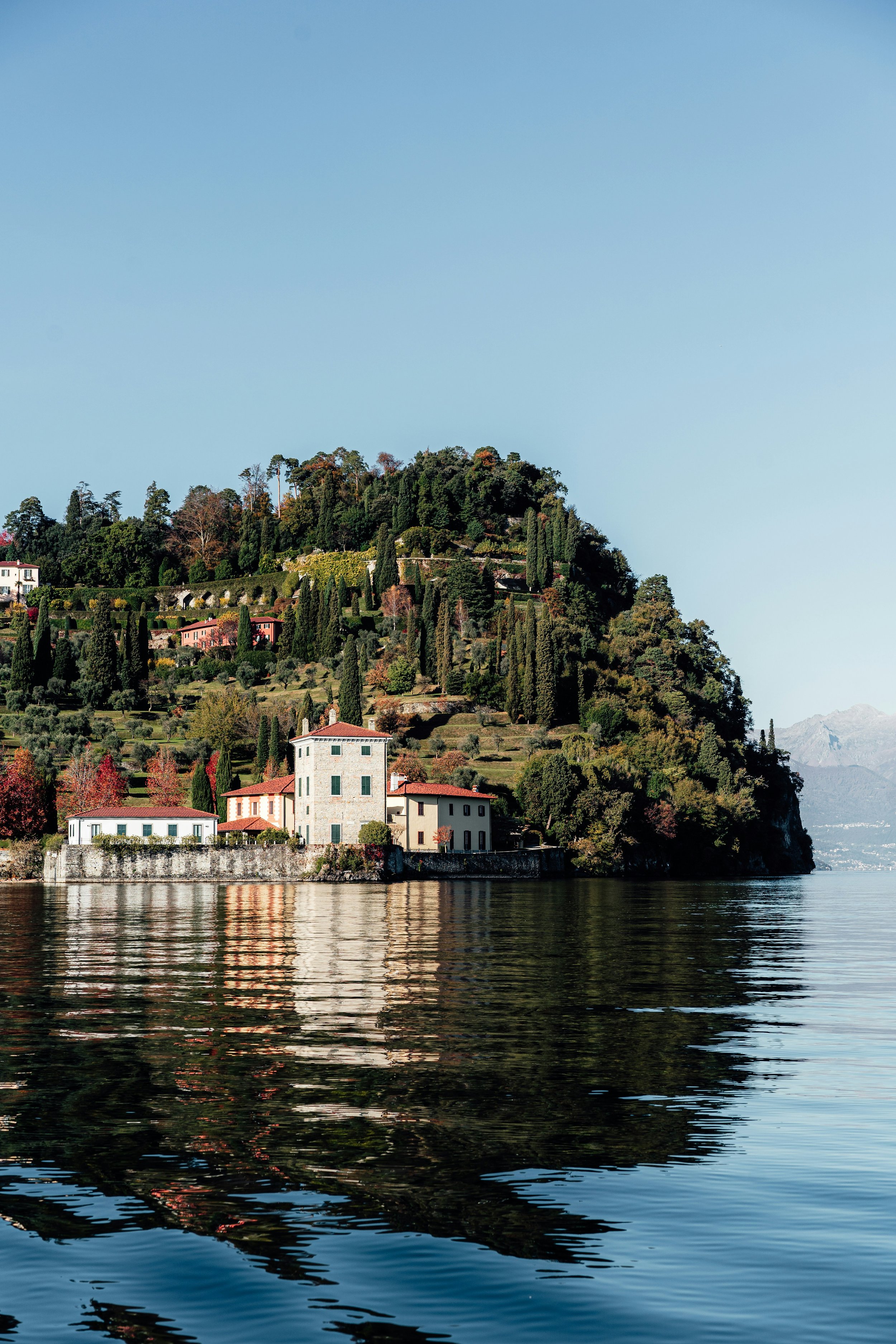
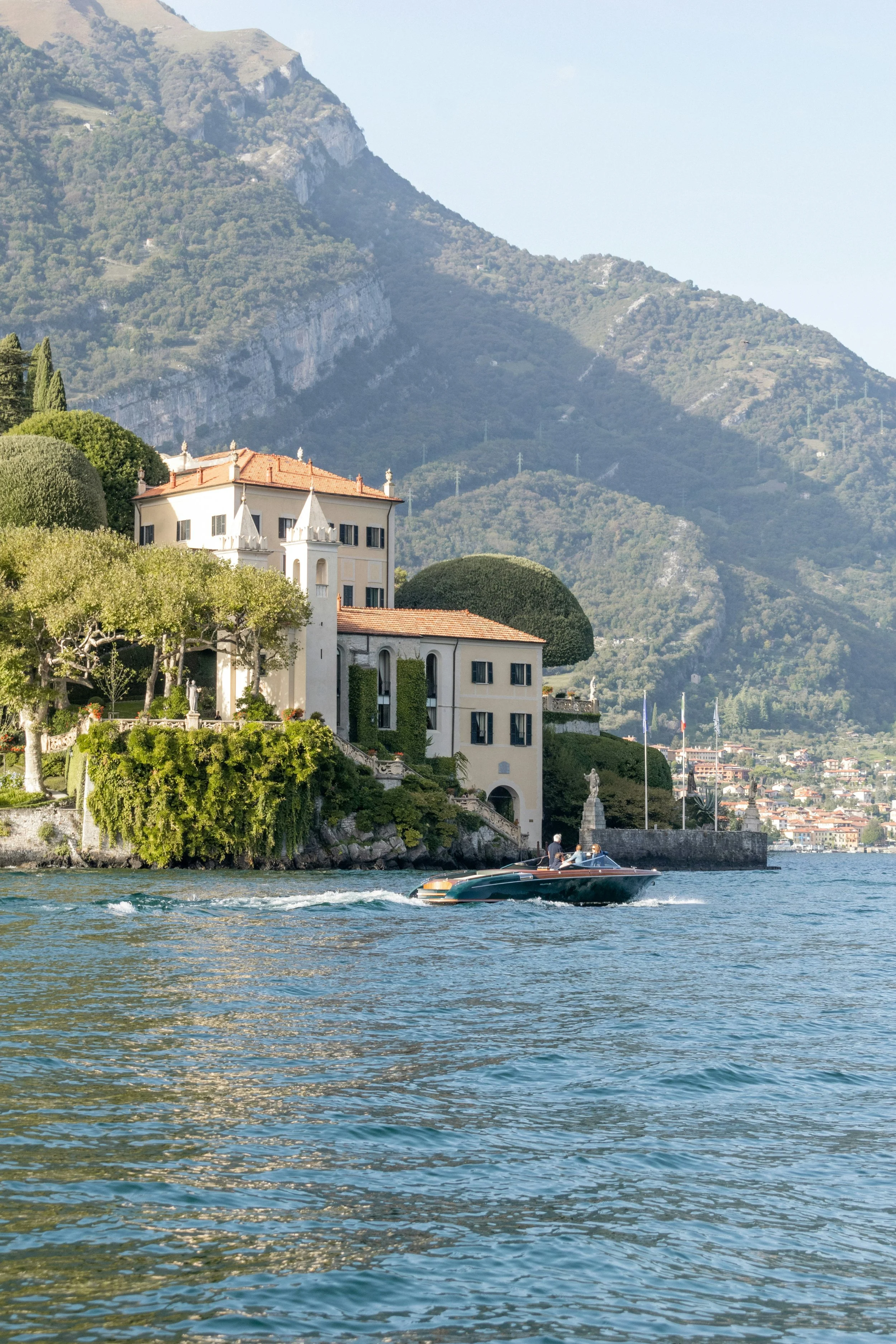
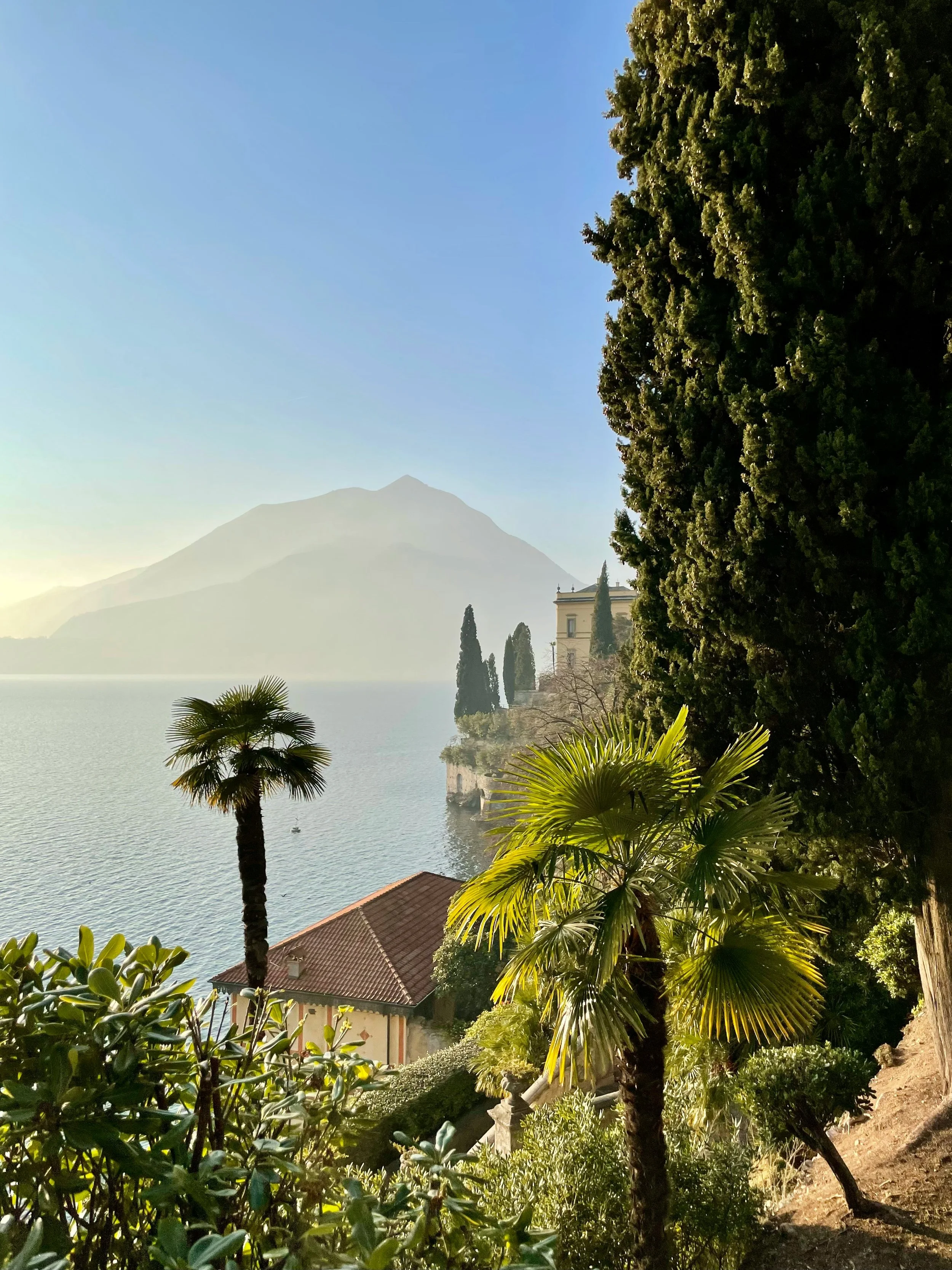

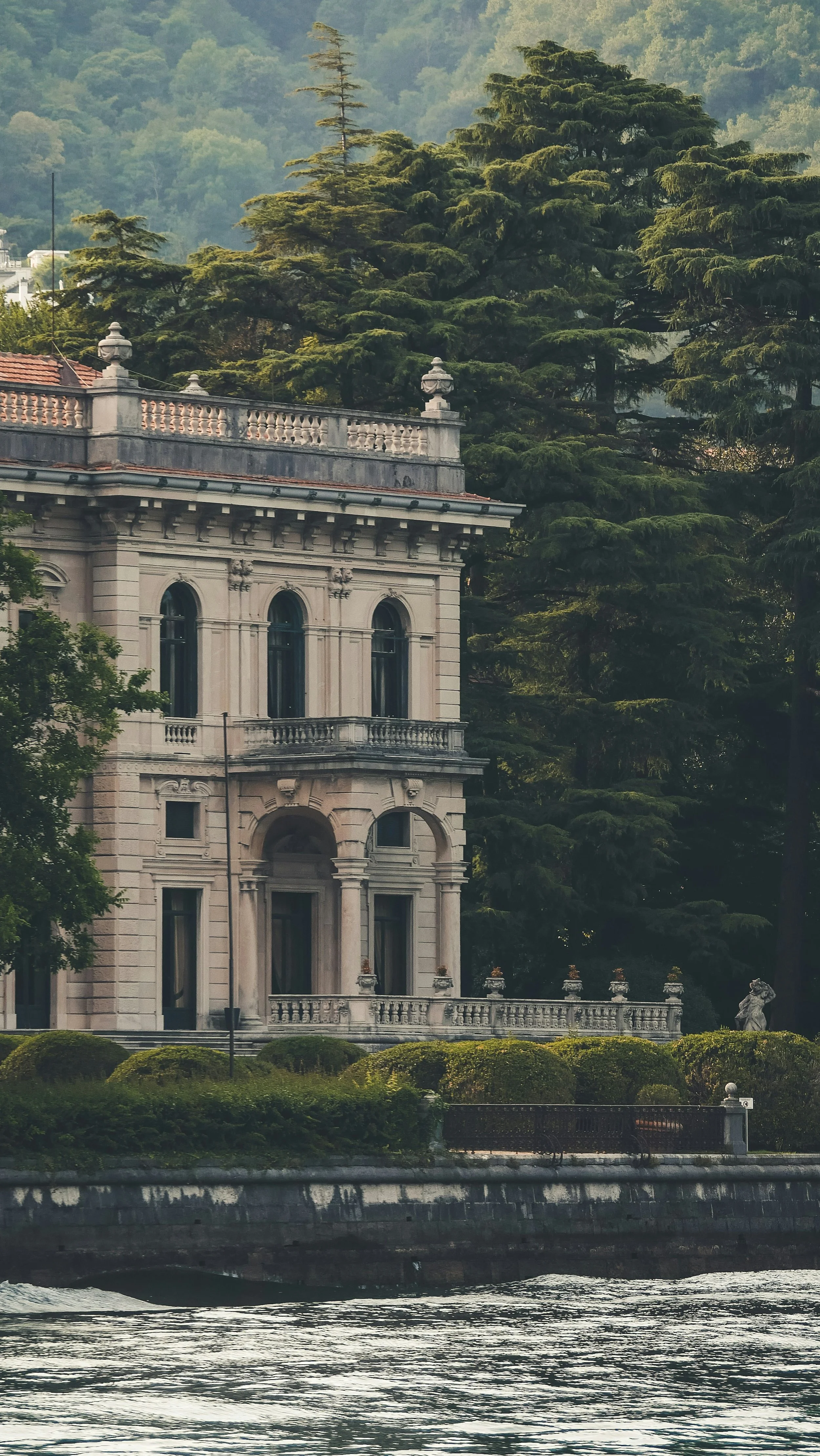
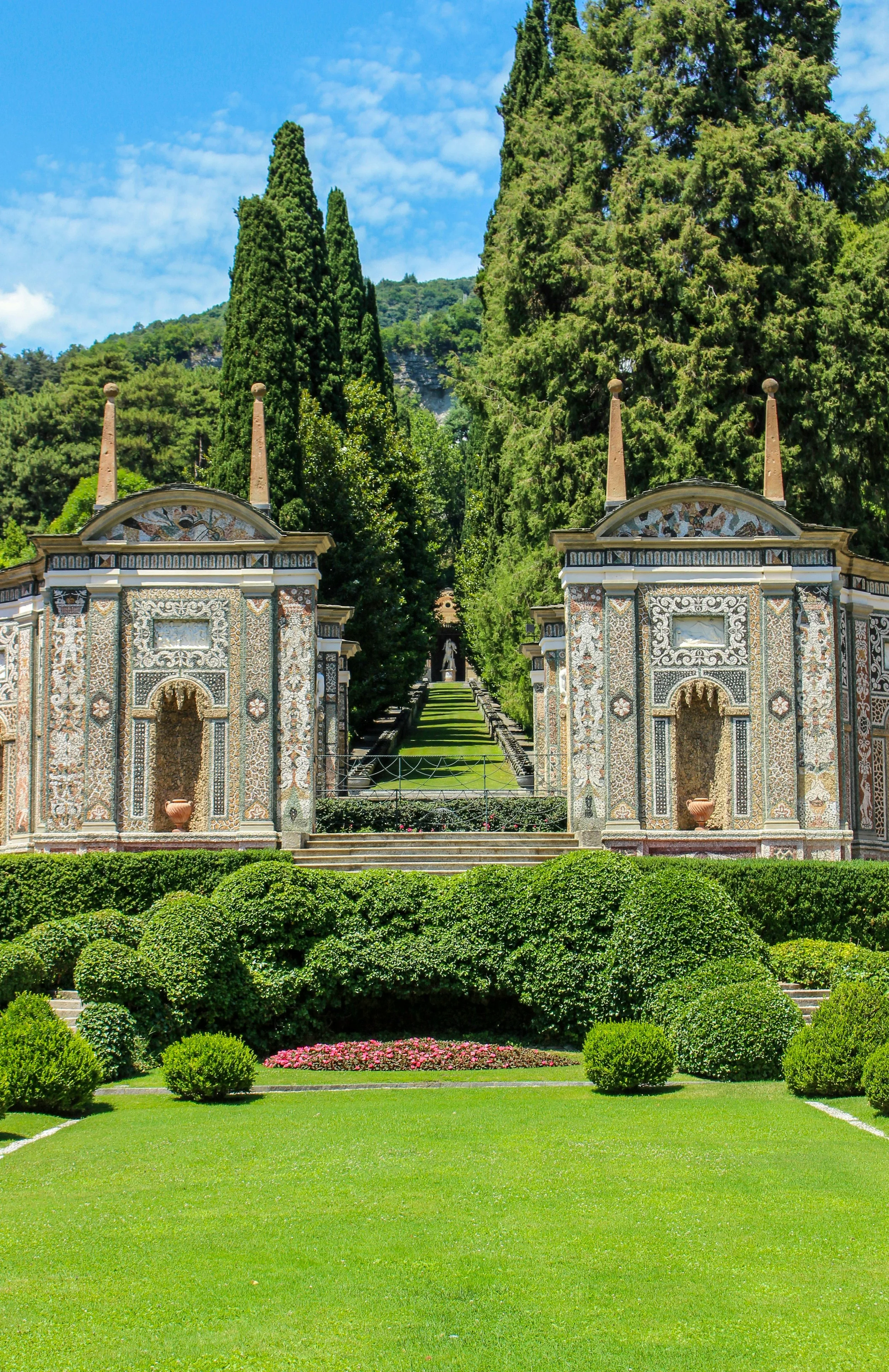
For: Grand villas and serious European glamour
June belongs to Lake Como.
By now, summer has properly arrived in Lombardy. The region describes June as a month of long days and outdoor life, while Lake Como's villas, gardens, mountains and waterfront villages are at the heart of its appeal.
This is the moment for the full Lake Como fantasy: arriving by boat, aperitivo beside the water, dinner in the gardens of a historic villa and mountains rising behind the lake.
It is not a choice for couples trying to avoid popular destinations altogether. Lake Como is internationally famous for a reason. But if your priorities are elegance, scenery and an unmistakable sense of occasion, June is when we would lean into it.
Why June: Long days and summer atmosphere without deliberately pushing the celebration into the hottest part of the season.
The look: Boats, silk, black tie, manicured gardens and waterfront villas.
July - Lake Garda, Italy
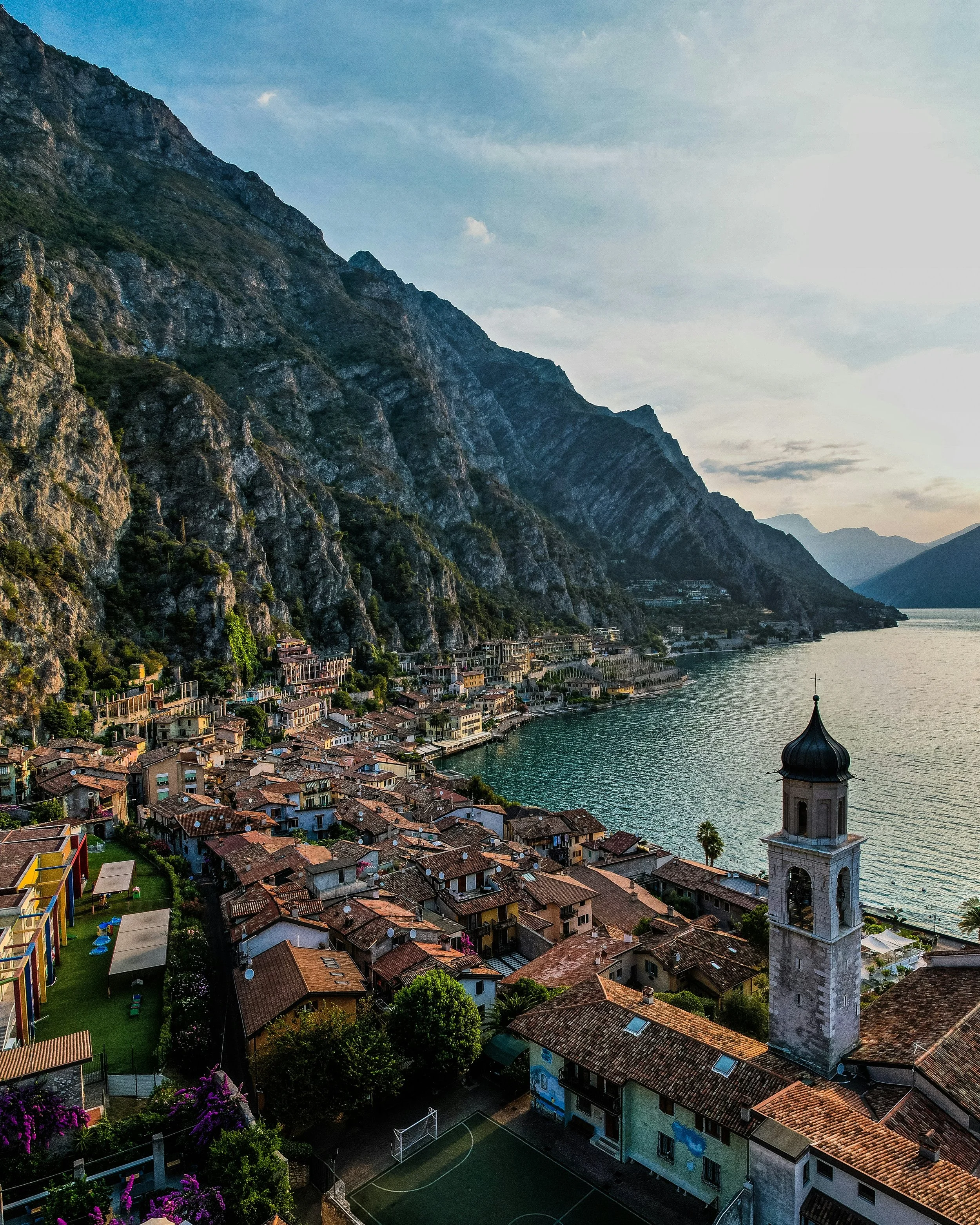
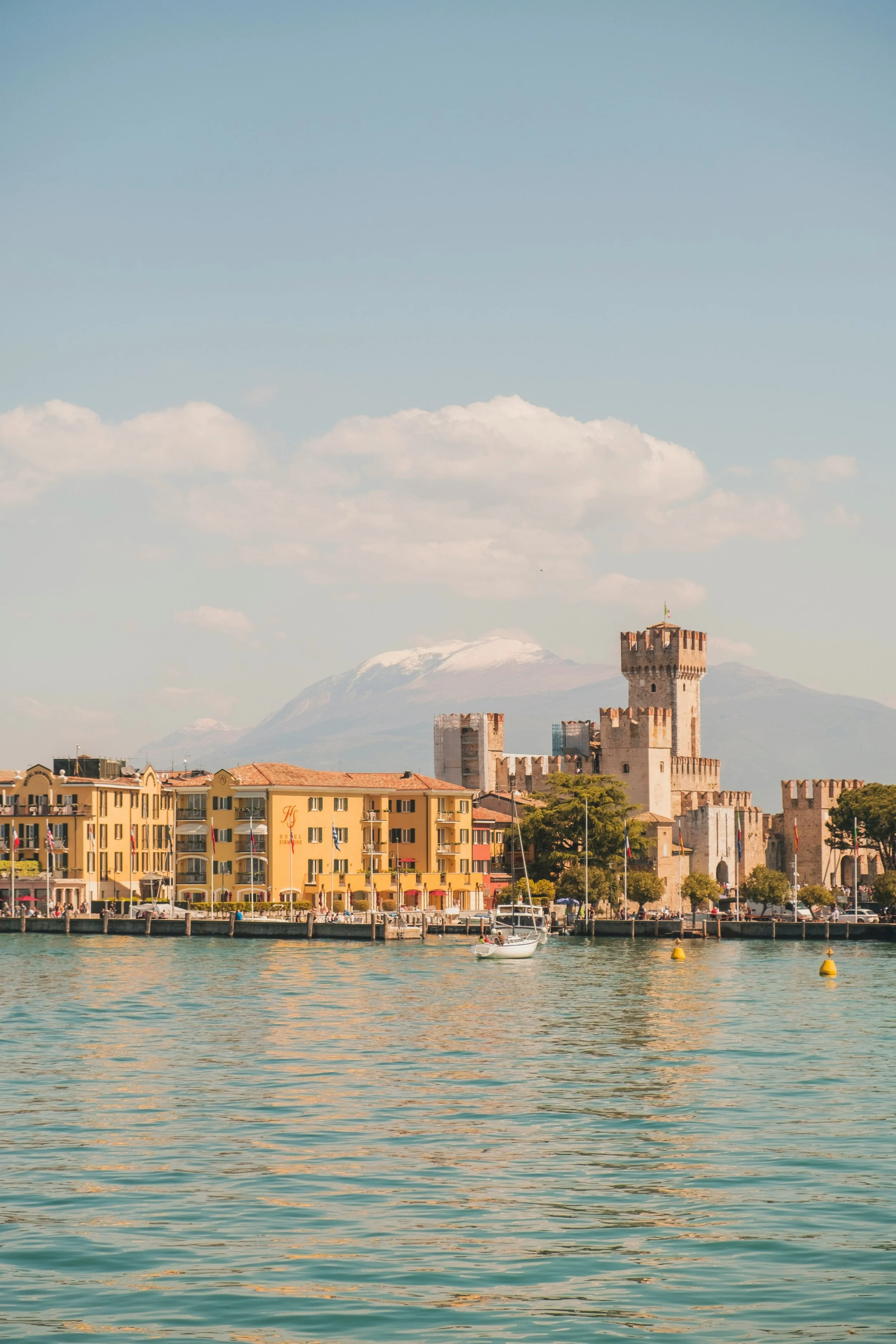
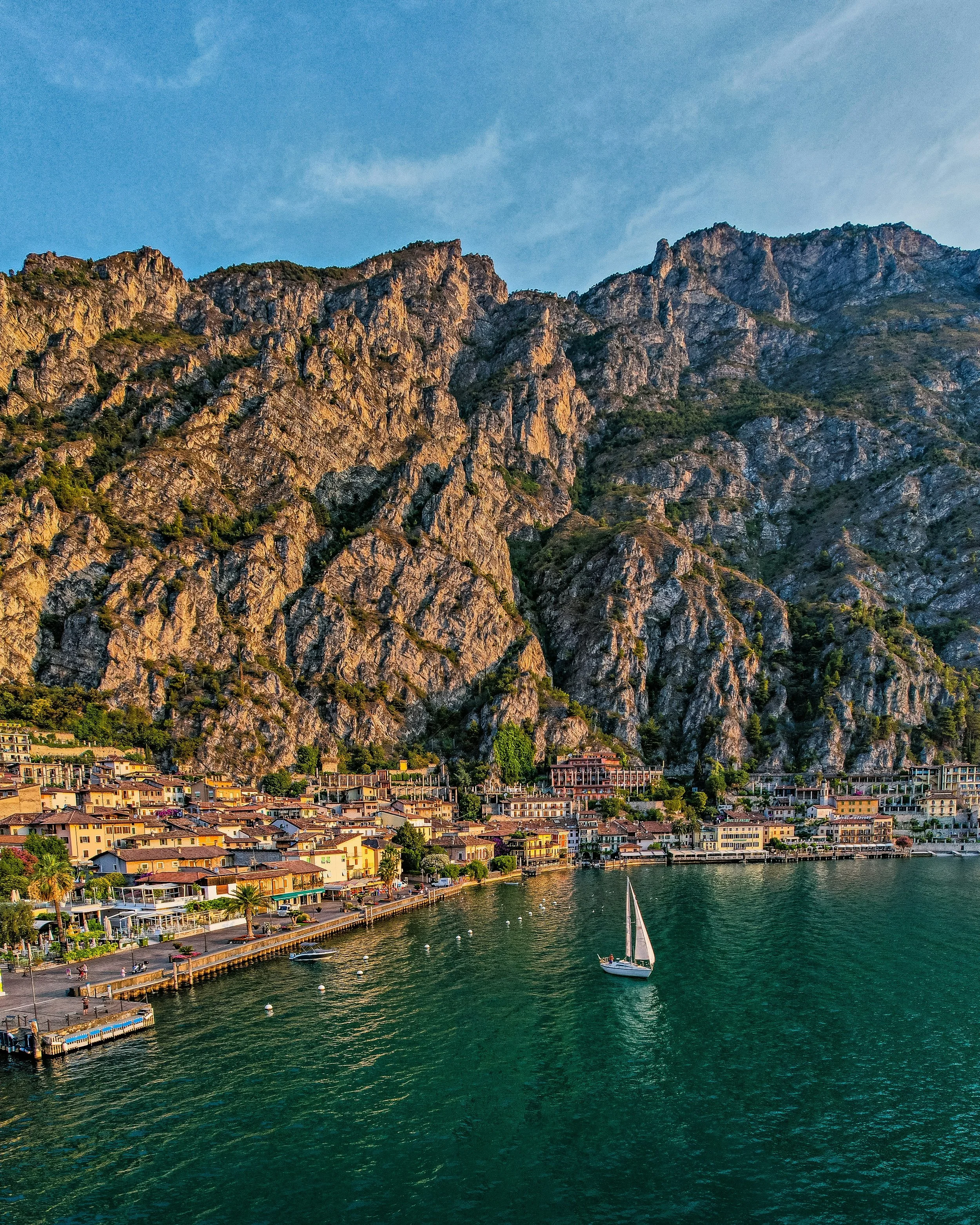
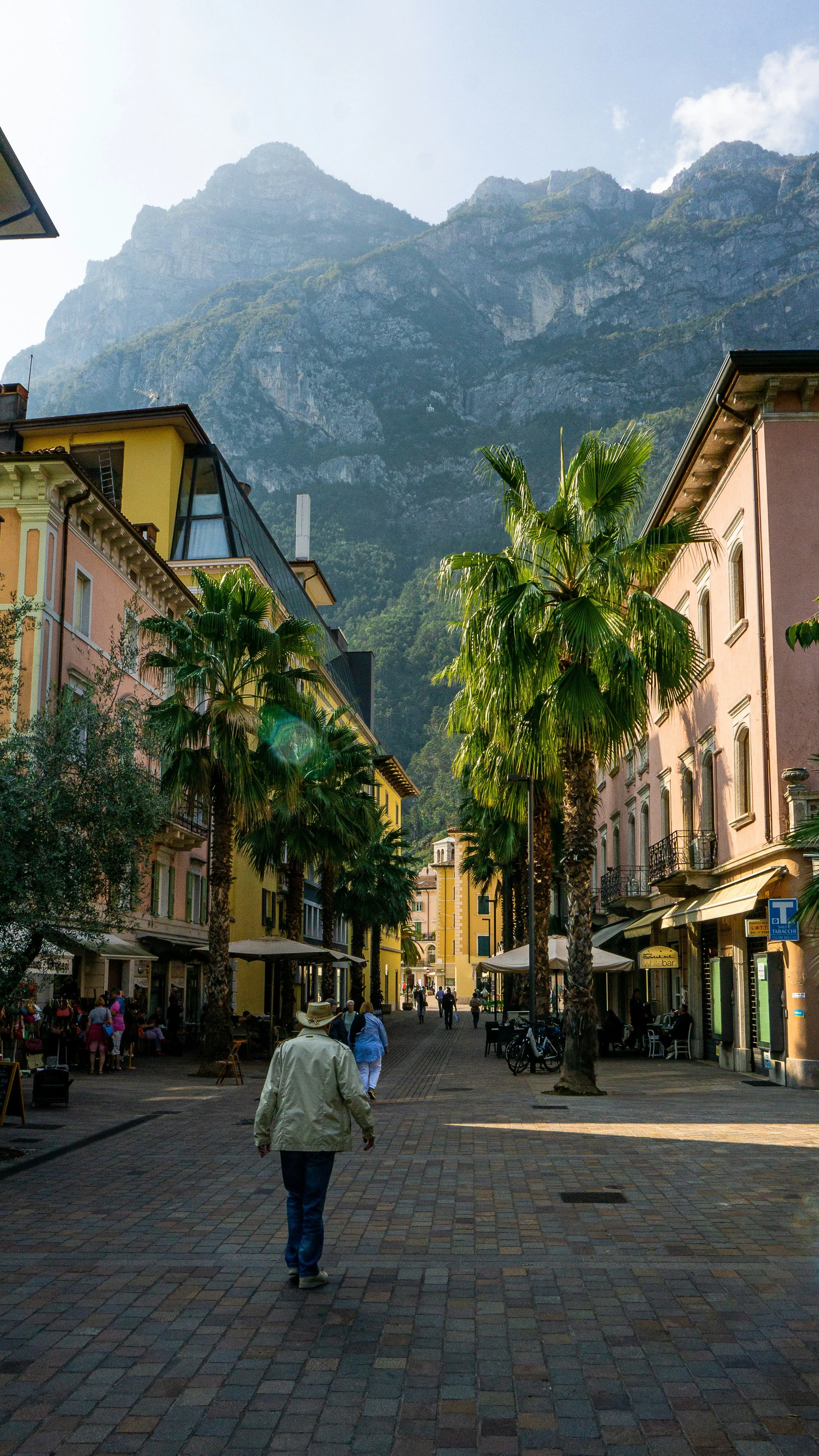
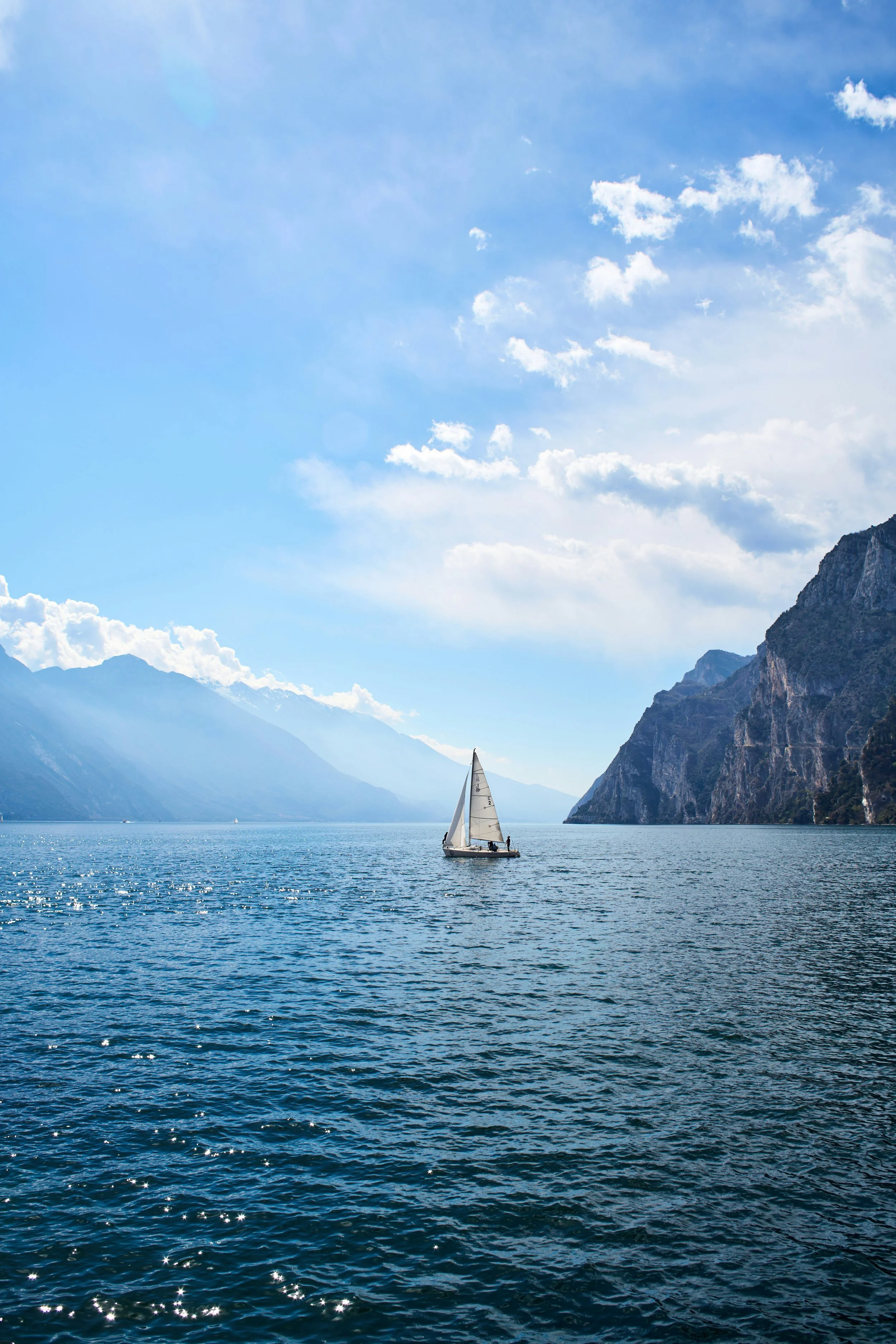
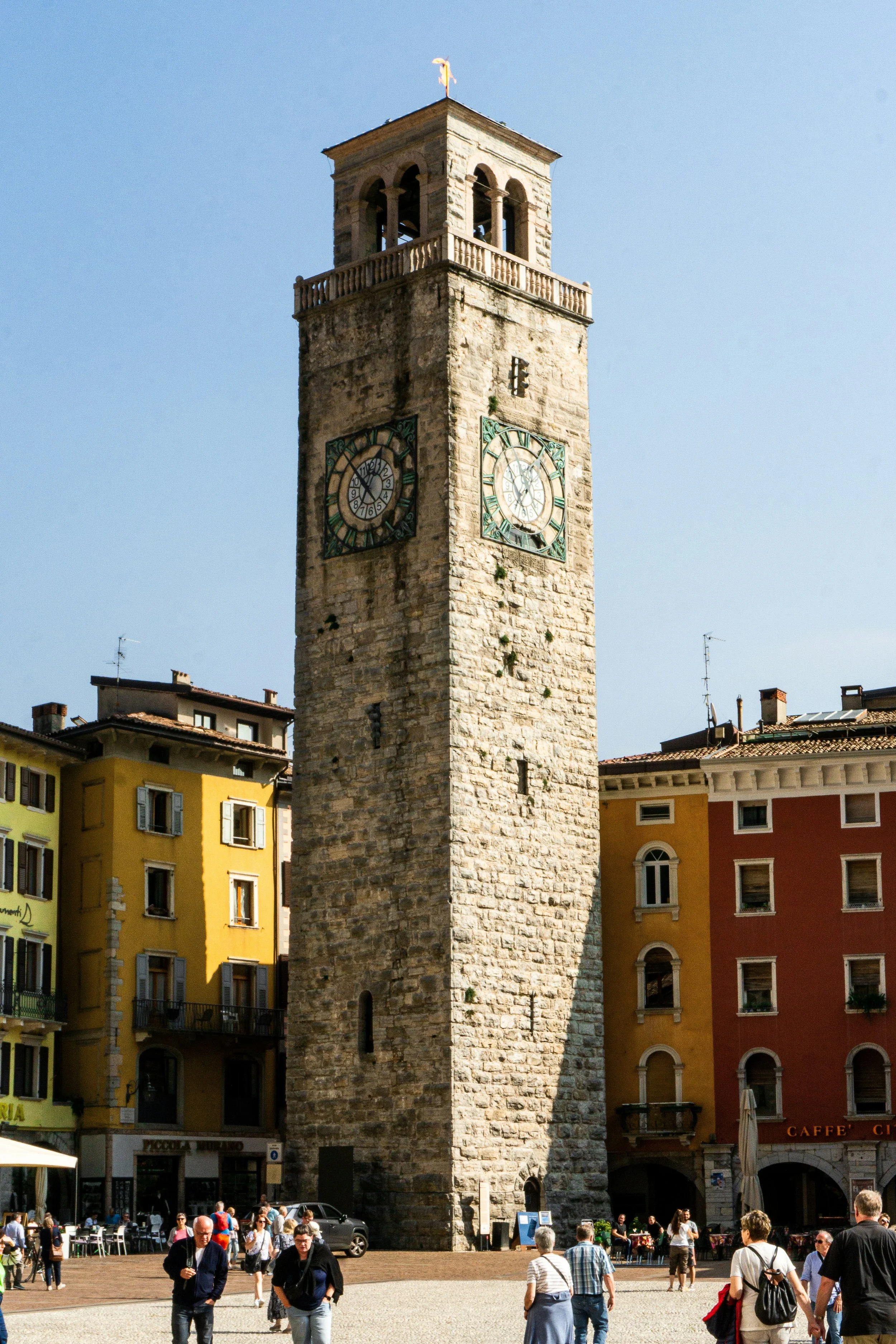
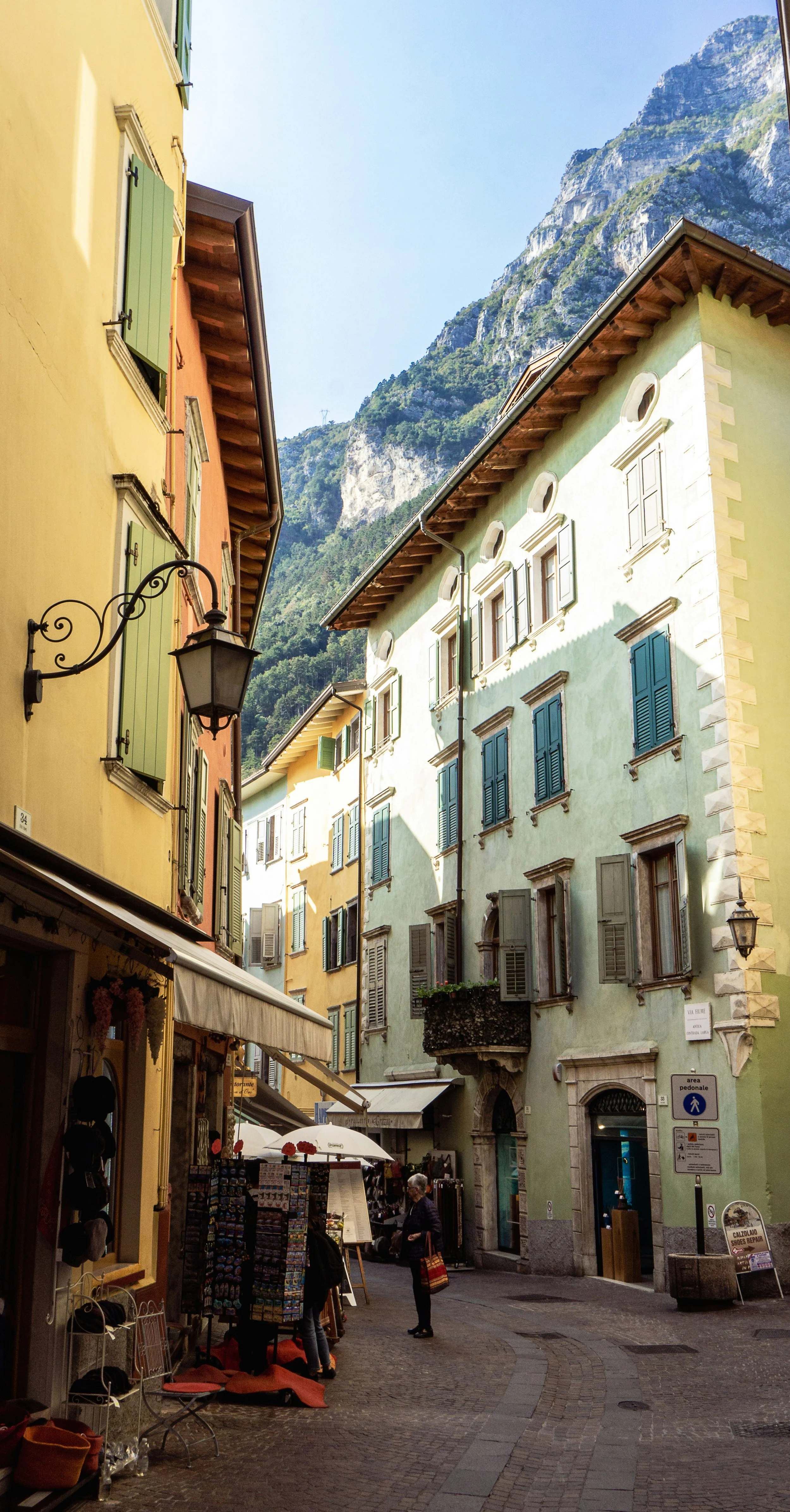
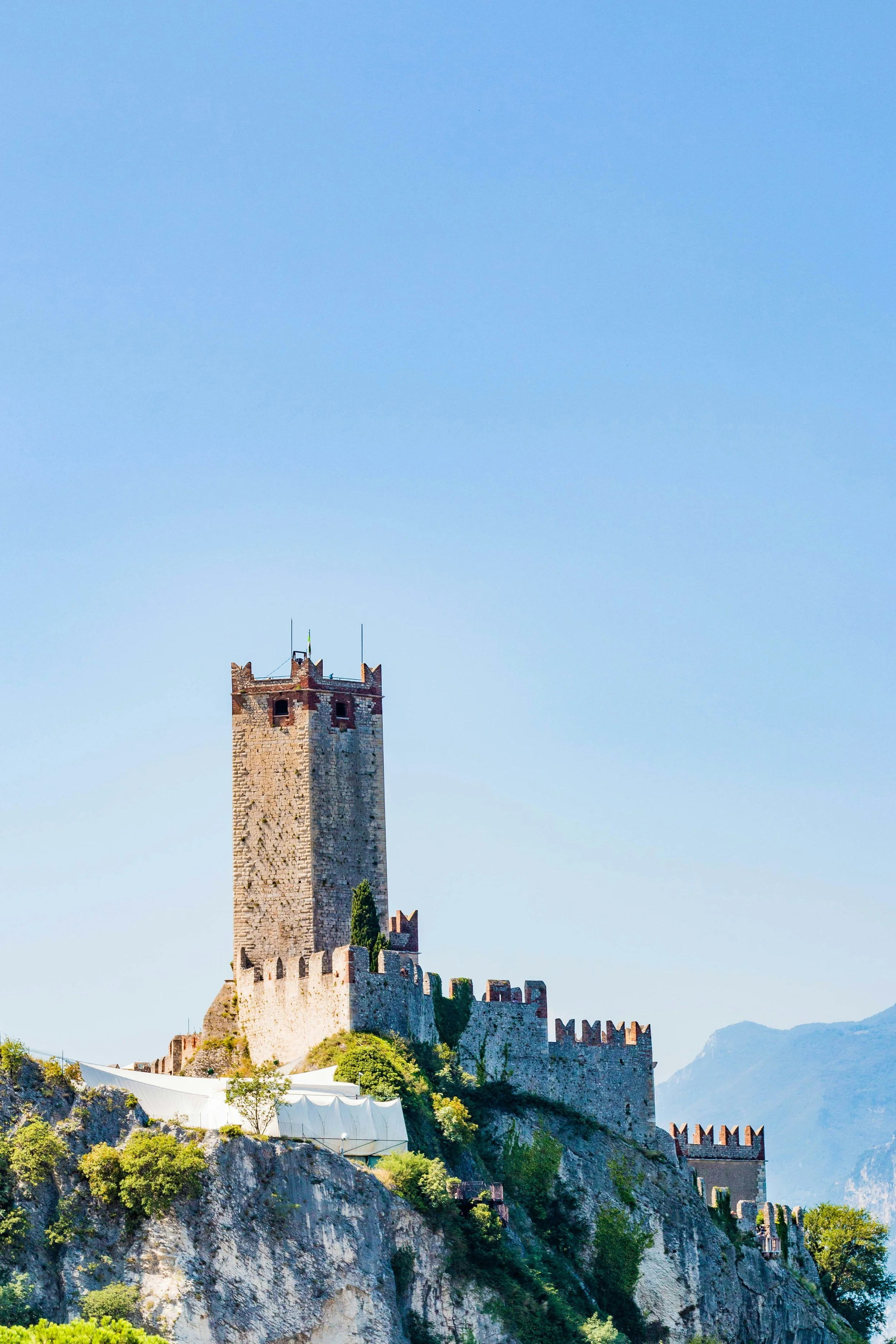
For: A relaxed Italian lake wedding with endless possibilities
For July, we move east to Italy's largest lake.
Lake Garda has a sub-Mediterranean microclimate moderated by the lake itself. Official tourism information puts typical summer air temperatures in the roughly 75–90°C range, with lake breezes helping temper the heat.
What makes Garda particularly compelling for a destination wedding is its variety. You can have historic villas, waterfront towns, vineyards, mountains, lemon groves and resort-style wedding weekends within the same broader destination.
It also lends itself beautifully to a multi-day celebration: welcome drinks by the water, wedding day at a villa or estate, then boats, vineyards or a pool party the next day.
Why July: This is unapologetically an Italian summer wedding - long, warm days with the lake at the center of the weekend.
The look: Aperitivo, boats, lemons, lake views and late-night dancing.
August - The Dolomites, Italy
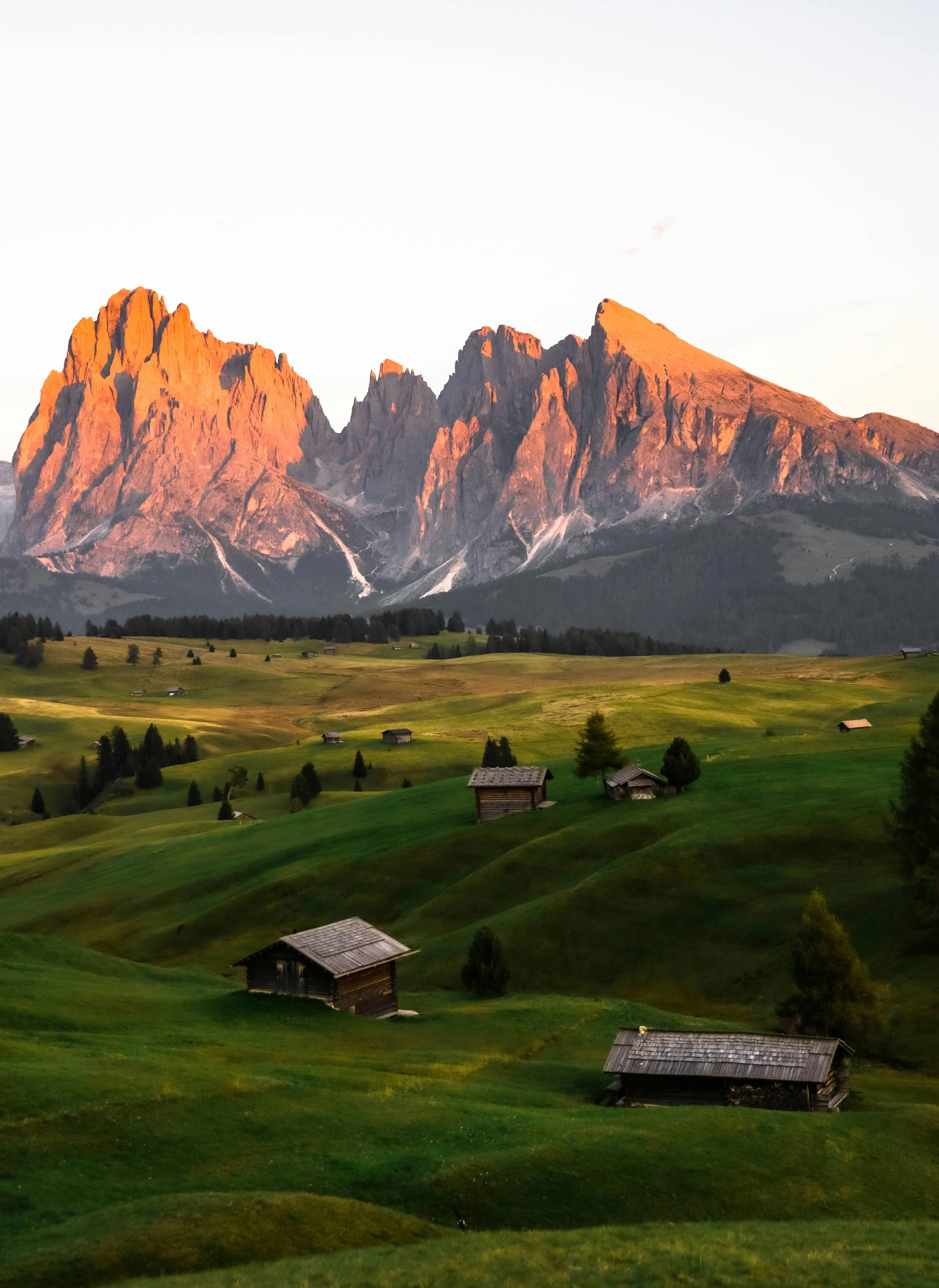
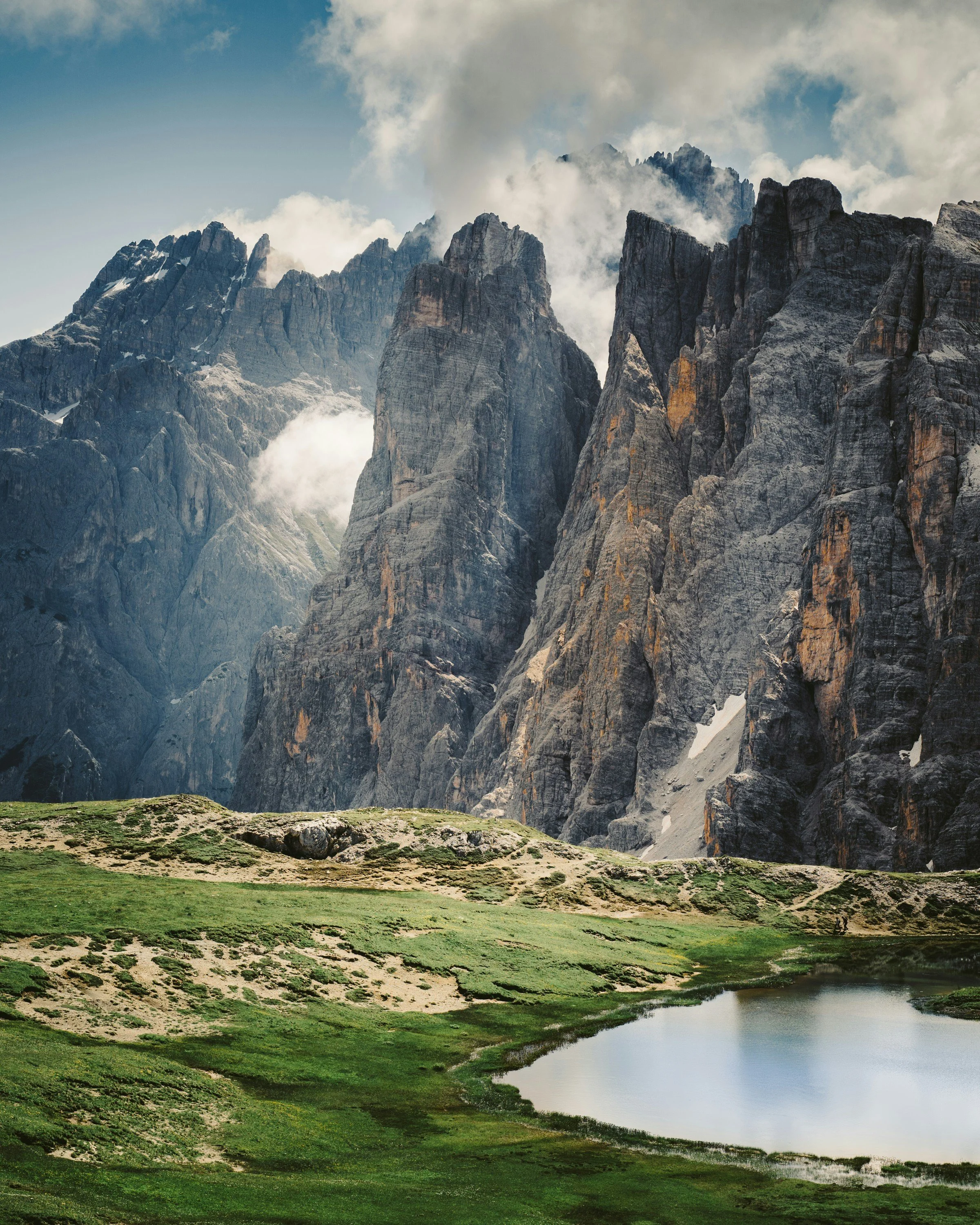
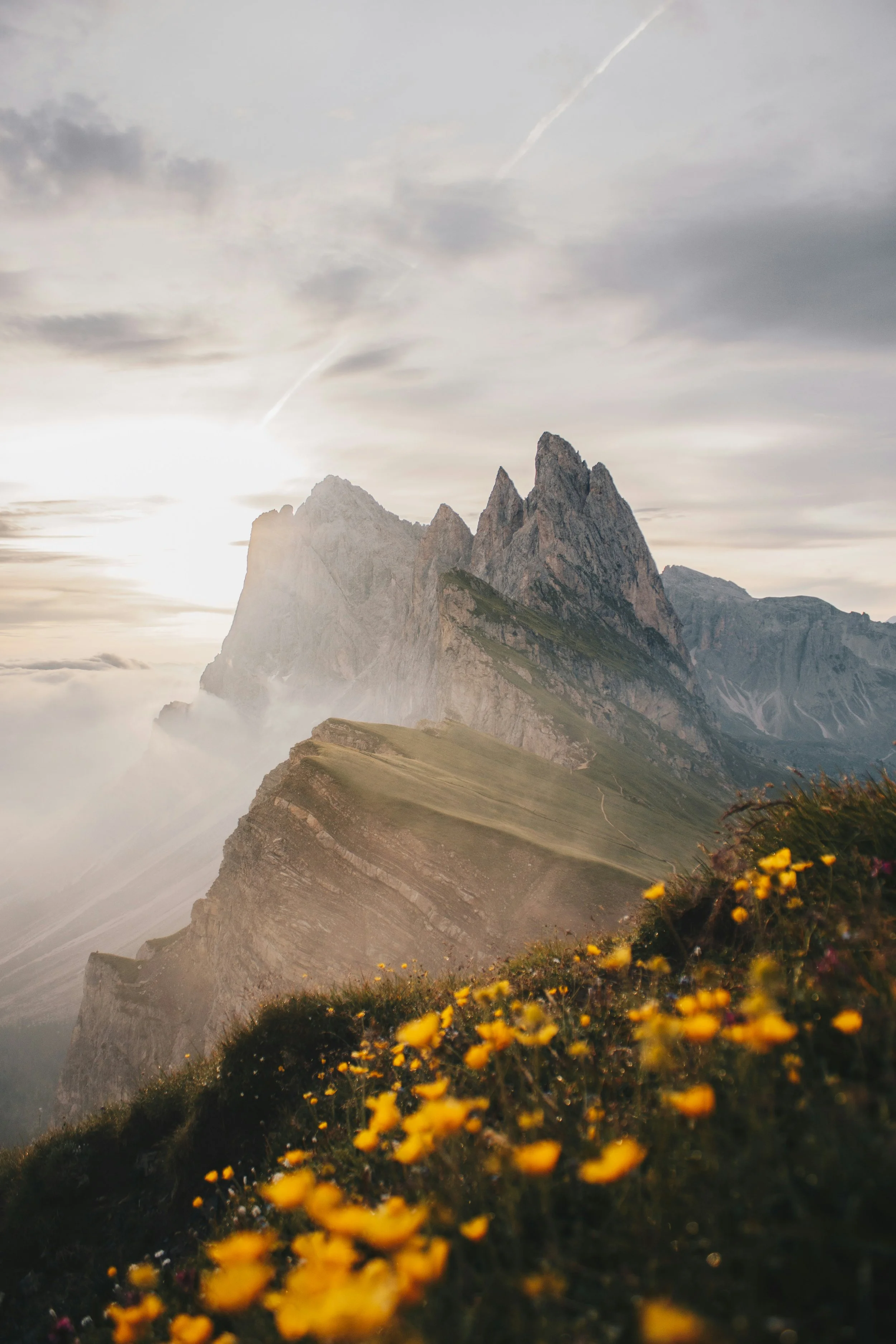
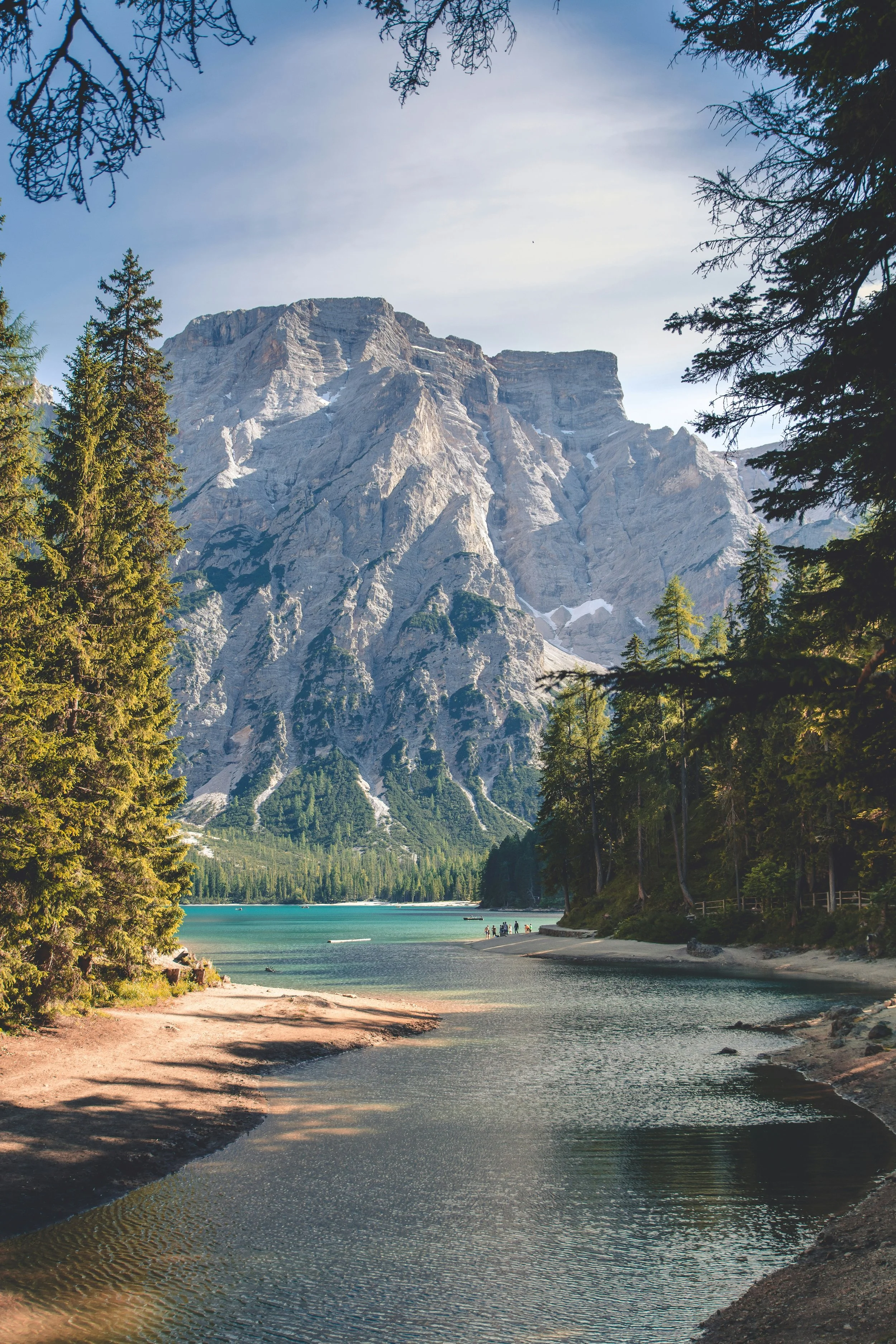
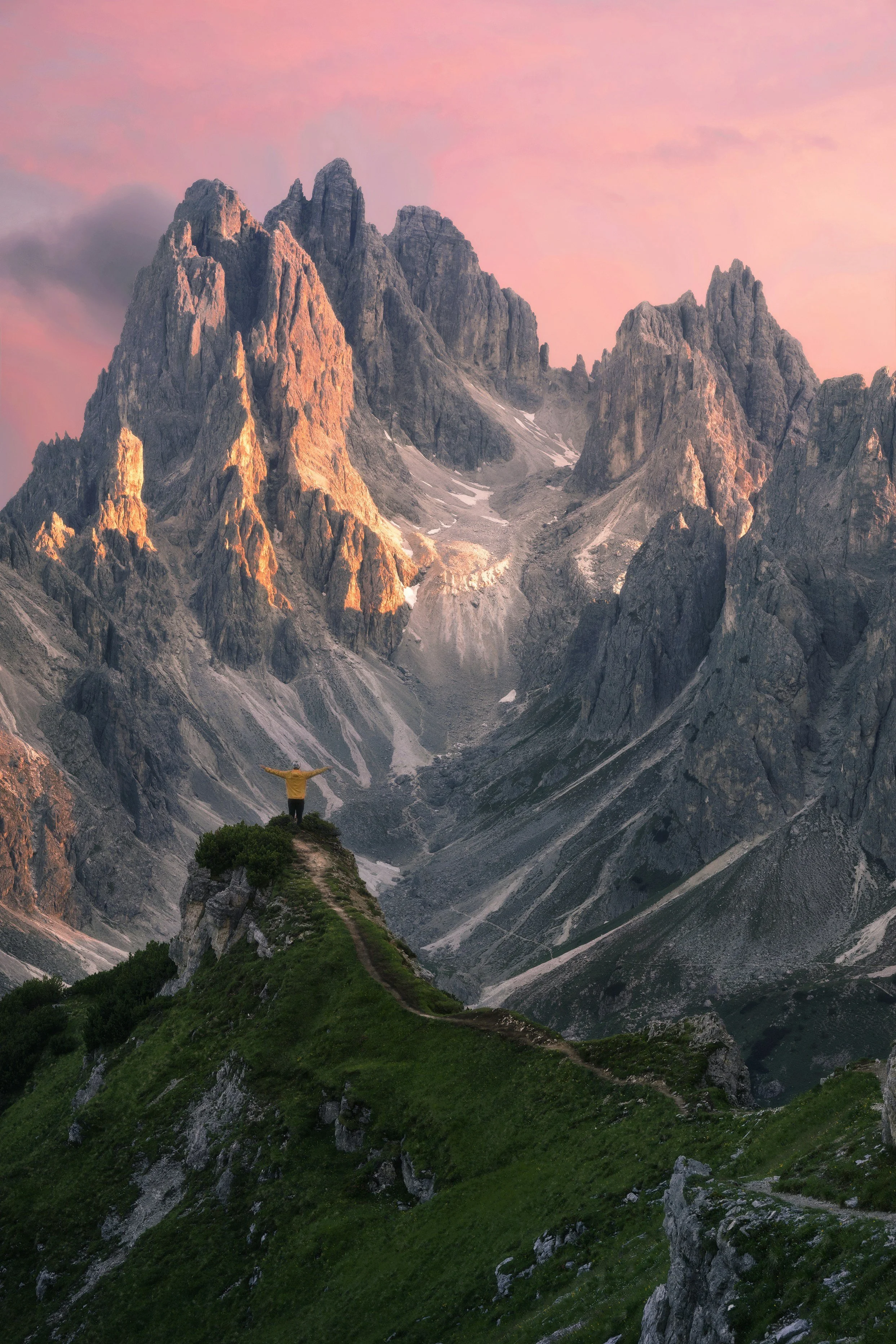
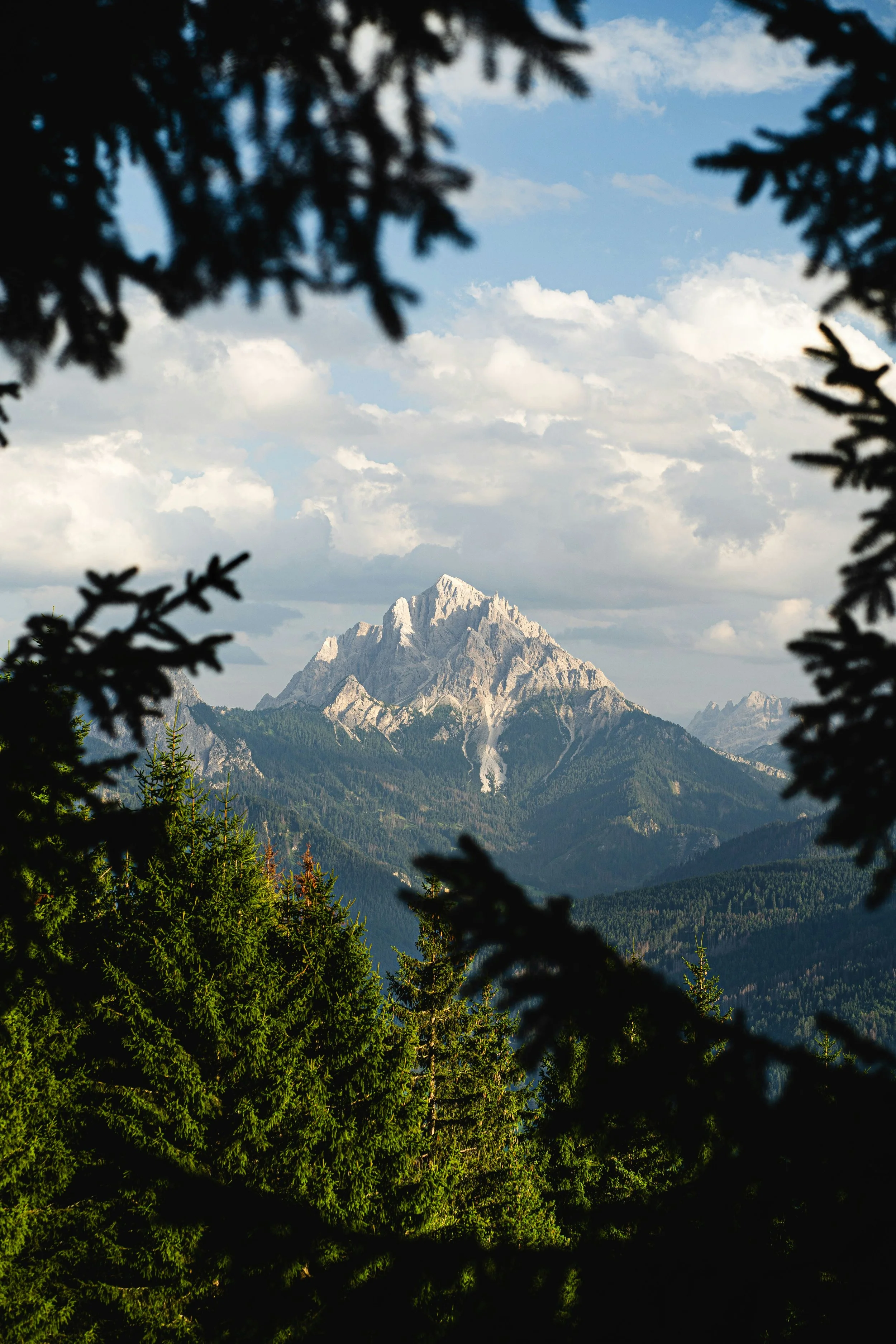
For: Couples who want summer without the Mediterranean wedding cliché
August is when we would leave the coast behind and head upward.
The Dolomites stretch across northeastern Italy and combine Alpine lakes, dramatic peaks, valleys and elegant mountain towns. They are a UNESCO World Heritage landscape and a major summer as well as winter destination.
While many couples automatically associate Italy in August with Tuscany, Lake Como or the coast, a mountain wedding offers an entirely different experience.
Picture an outdoor ceremony beneath enormous peaks, cocktails on a terrace, wildflowers instead of olive groves and a wedding weekend built around hiking, spa time and long lunches in the mountains.
Why August: When Mediterranean Europe is at its hottest and busiest, look to the mountains.
The look: Wildflowers, mountain lodges, panoramic terraces and modern Alpine luxury.
September - Puglia, Italy
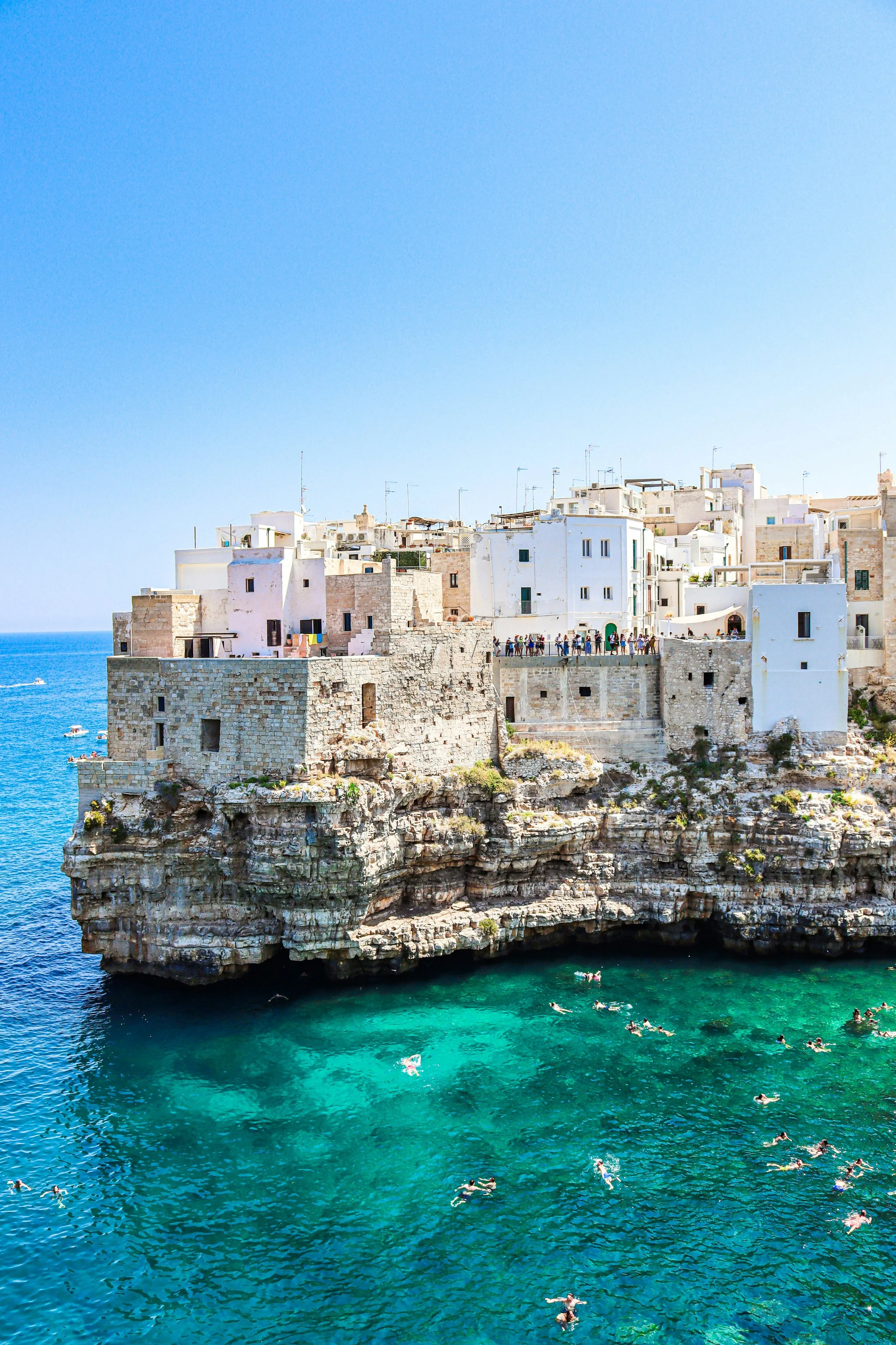
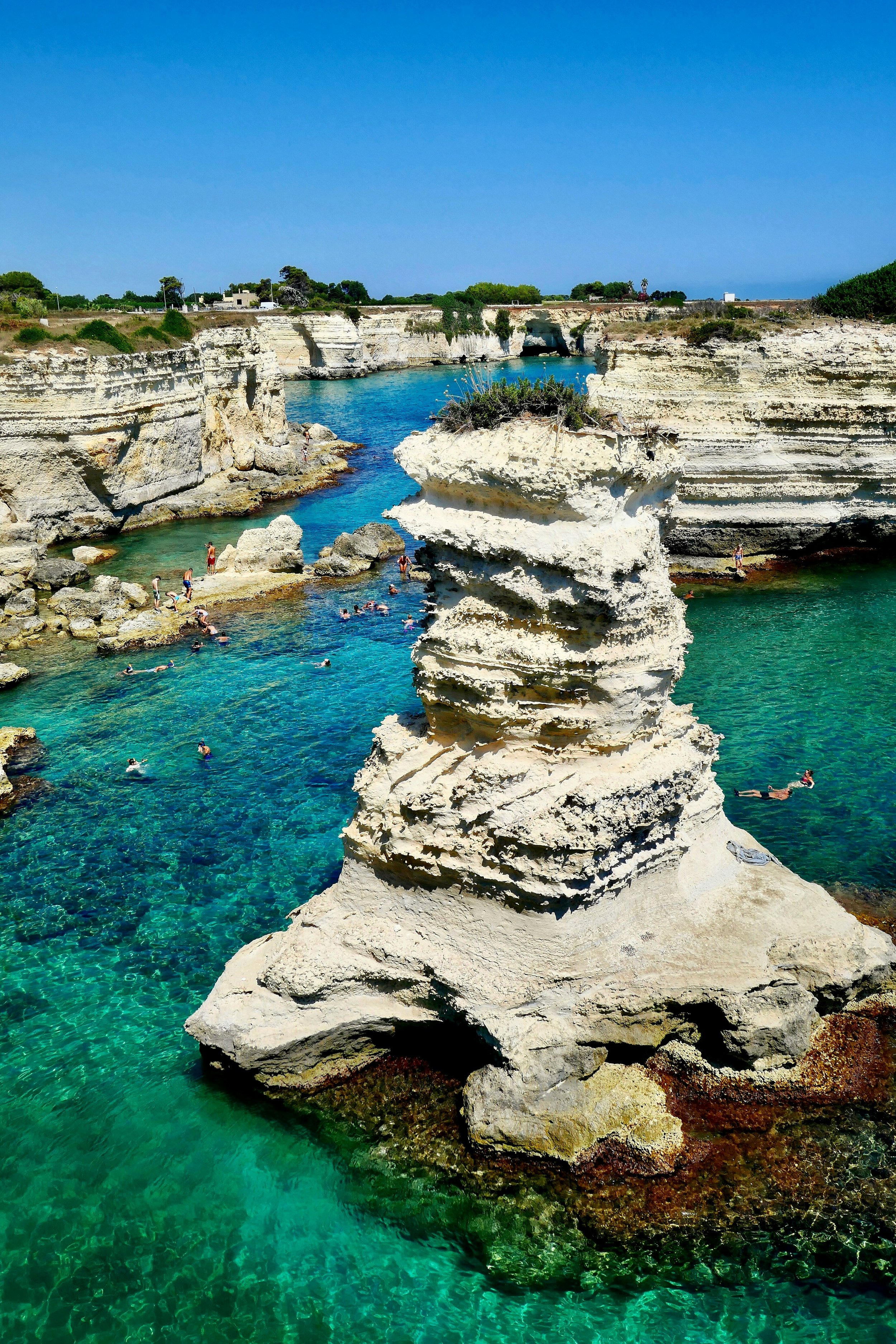
For: The Mediterranean wedding that still feels like summer
If May belongs to Tuscany, September belongs to Puglia.
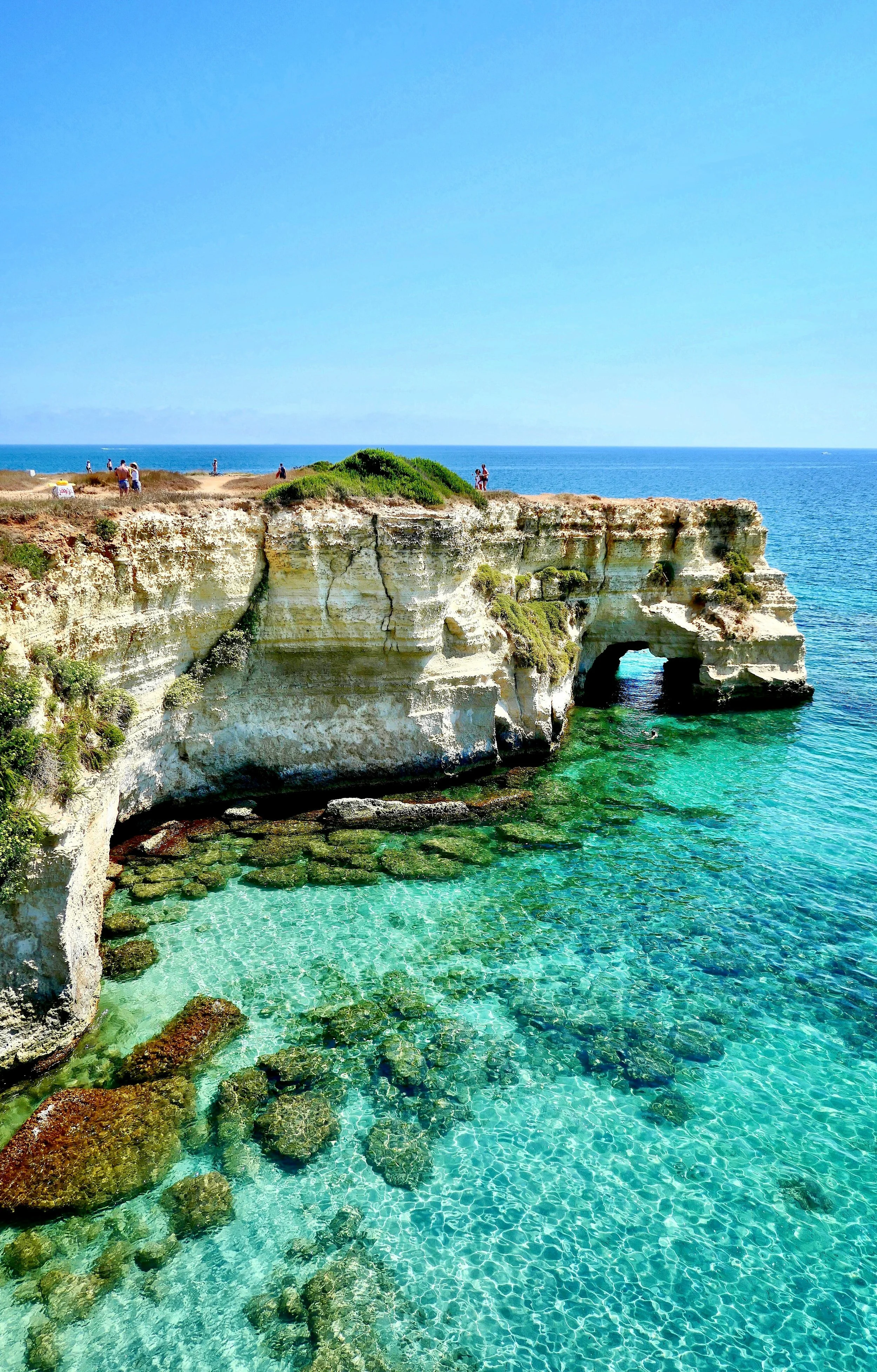
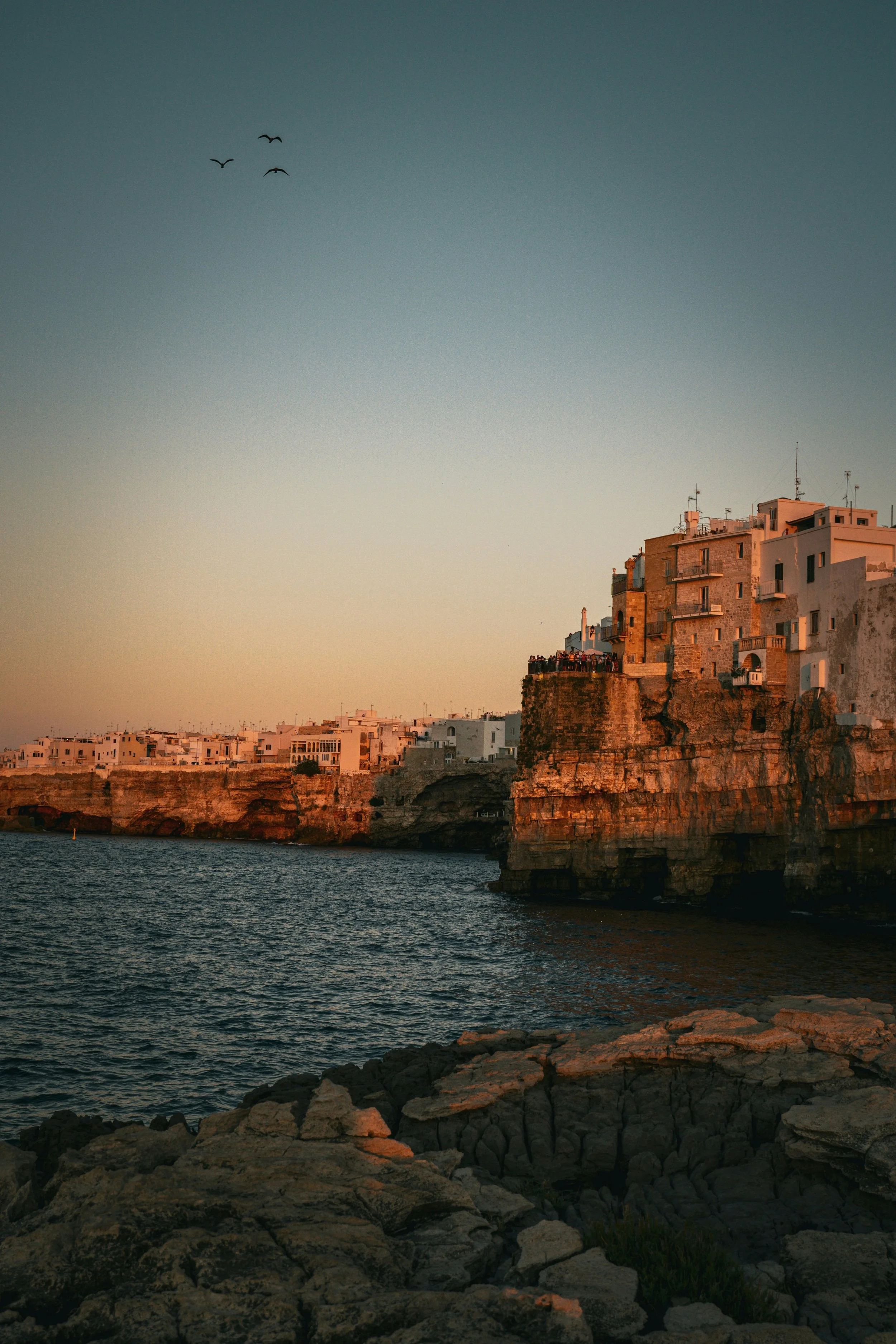
By early autumn, the intensity of midsummer begins to ease while southern Italy still holds onto its Mediterranean character. Official Italian tourism guidance describes autumn in Puglia as mild, with the sea remaining warm and the countryside entering grape and olive harvest season.
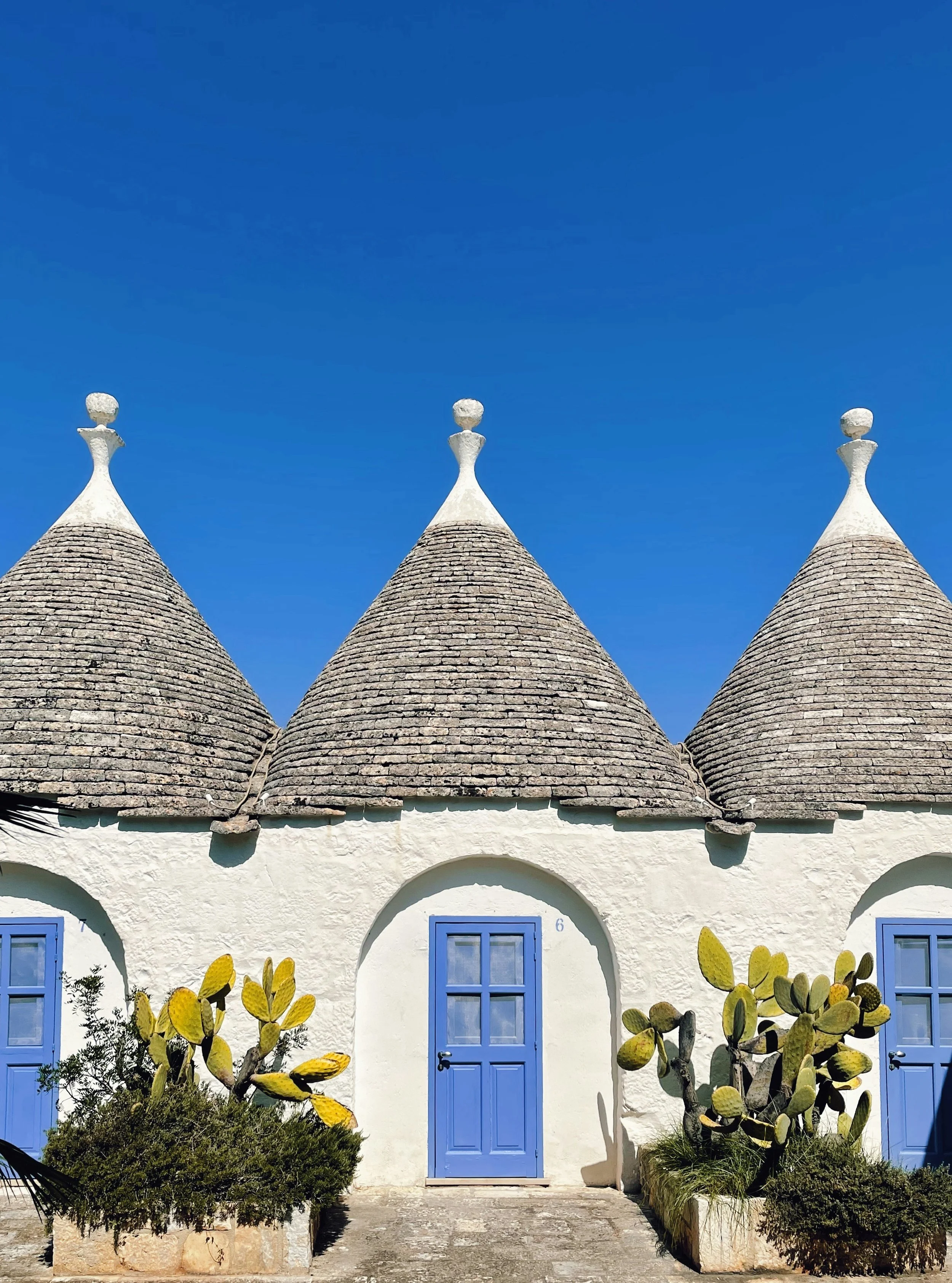
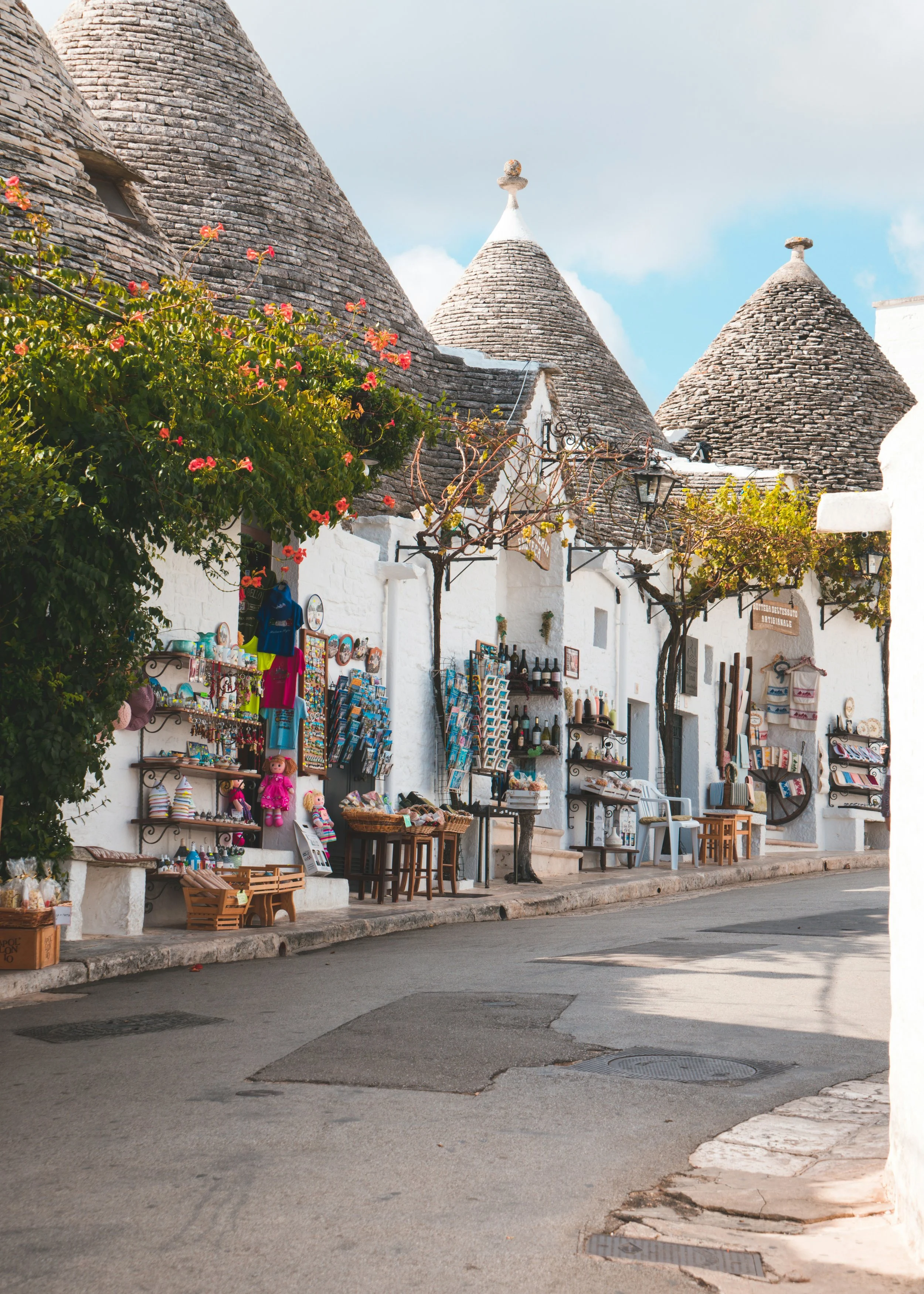
For weddings, the setting is difficult to beat: whitewashed masserie, ancient olive groves, limestone courtyards and tables overflowing with southern Italian food.
September also suits the way Puglia weddings are best experienced - not as a single event, but as a weekend. A welcome dinner, wedding, beach club or pool day and plenty of time around the table.
Why September: Summer hasn't disappeared, but the season is beginning to soften.
The look: Masserie, olive branches, white stone, candlelight and abundant Italian tables.
October - Mallorca, Spain
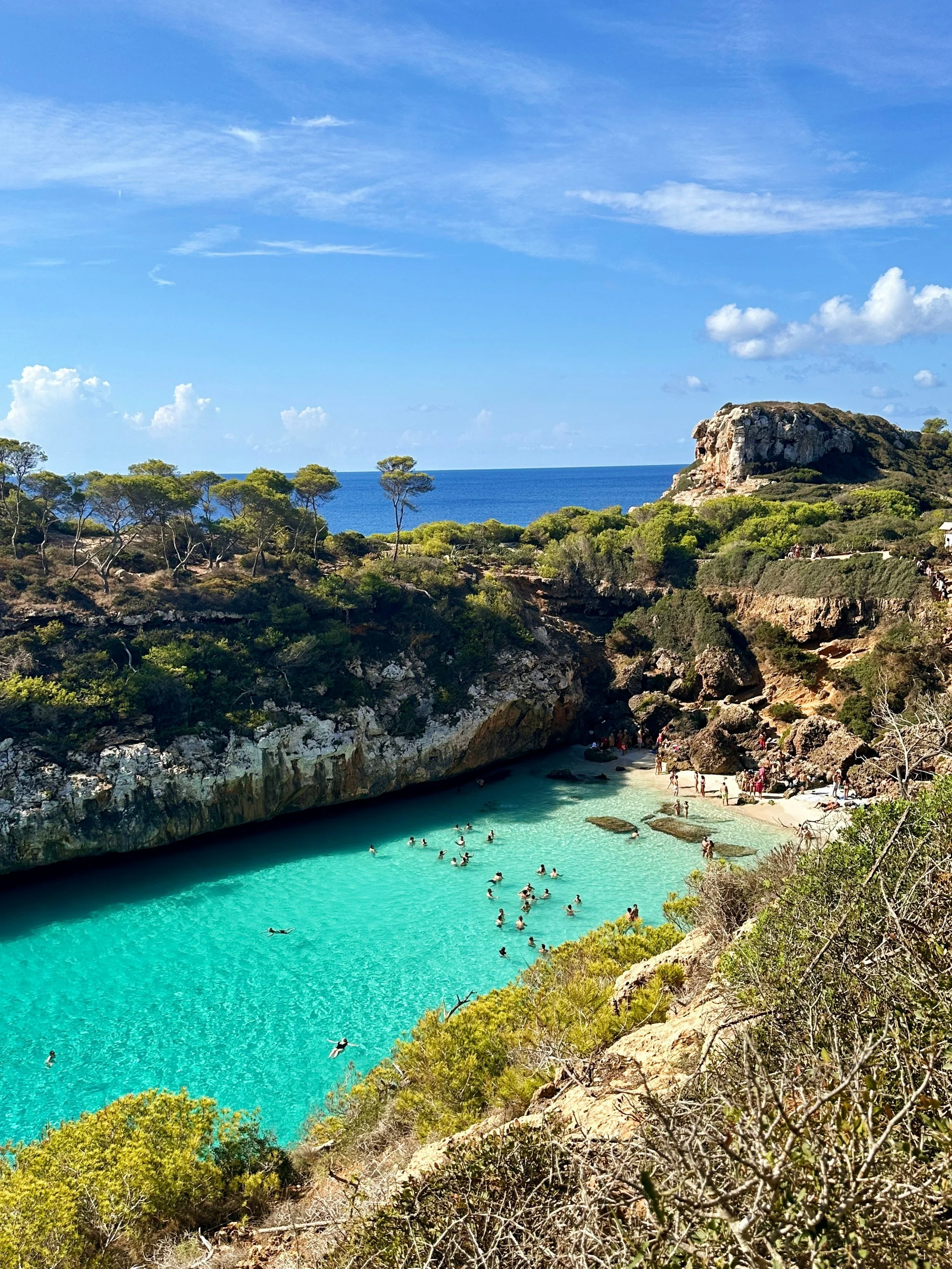
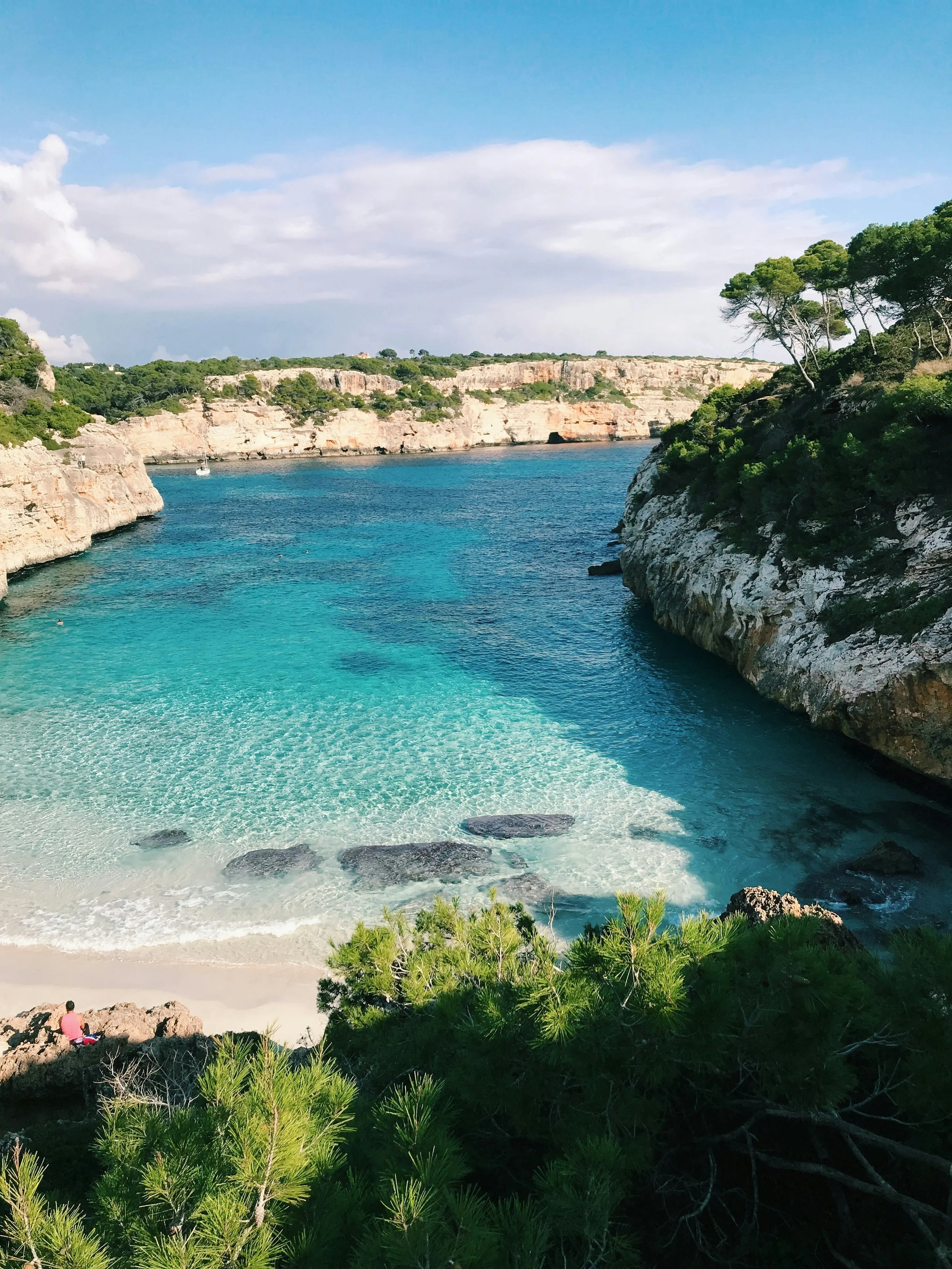
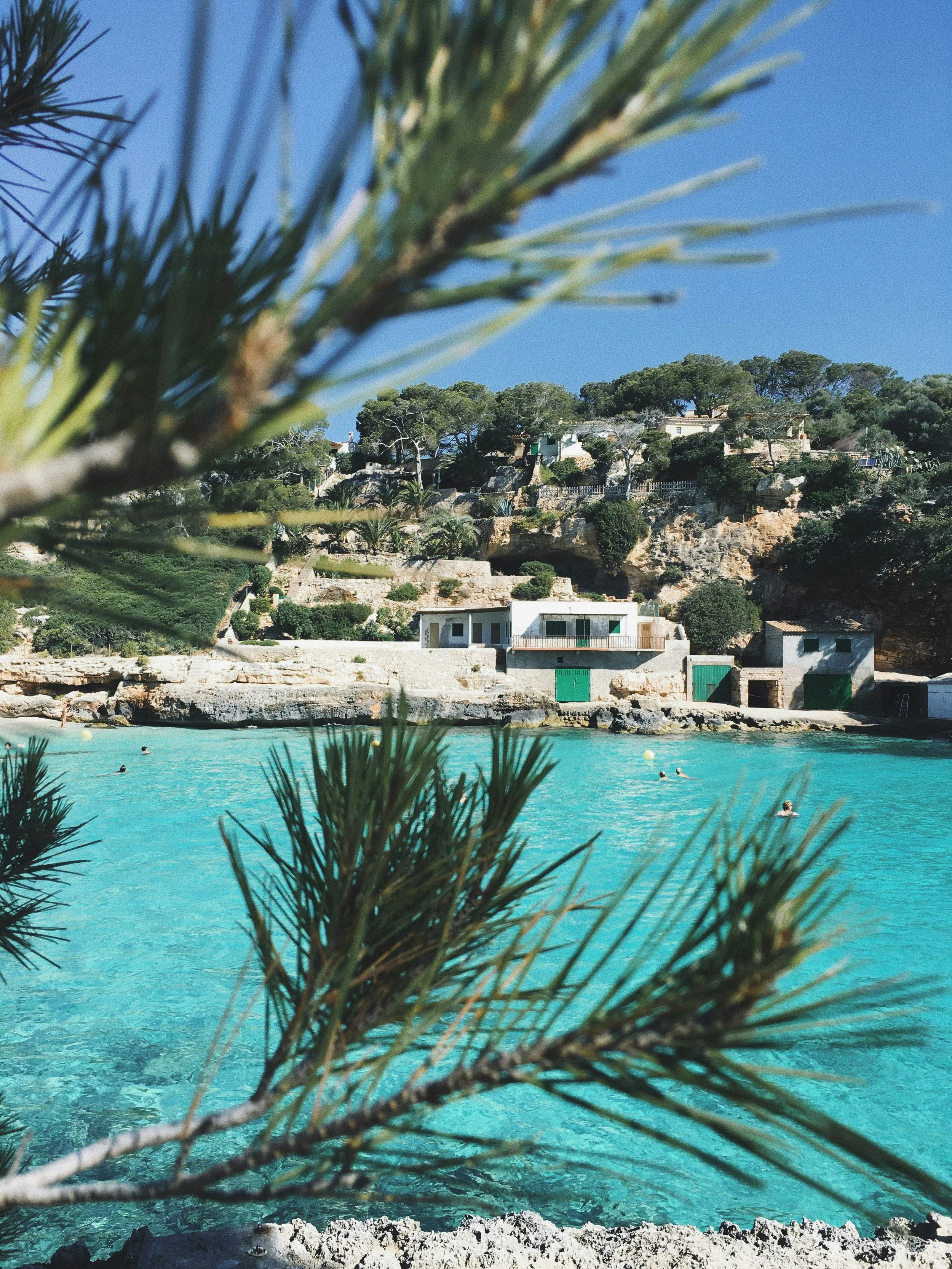
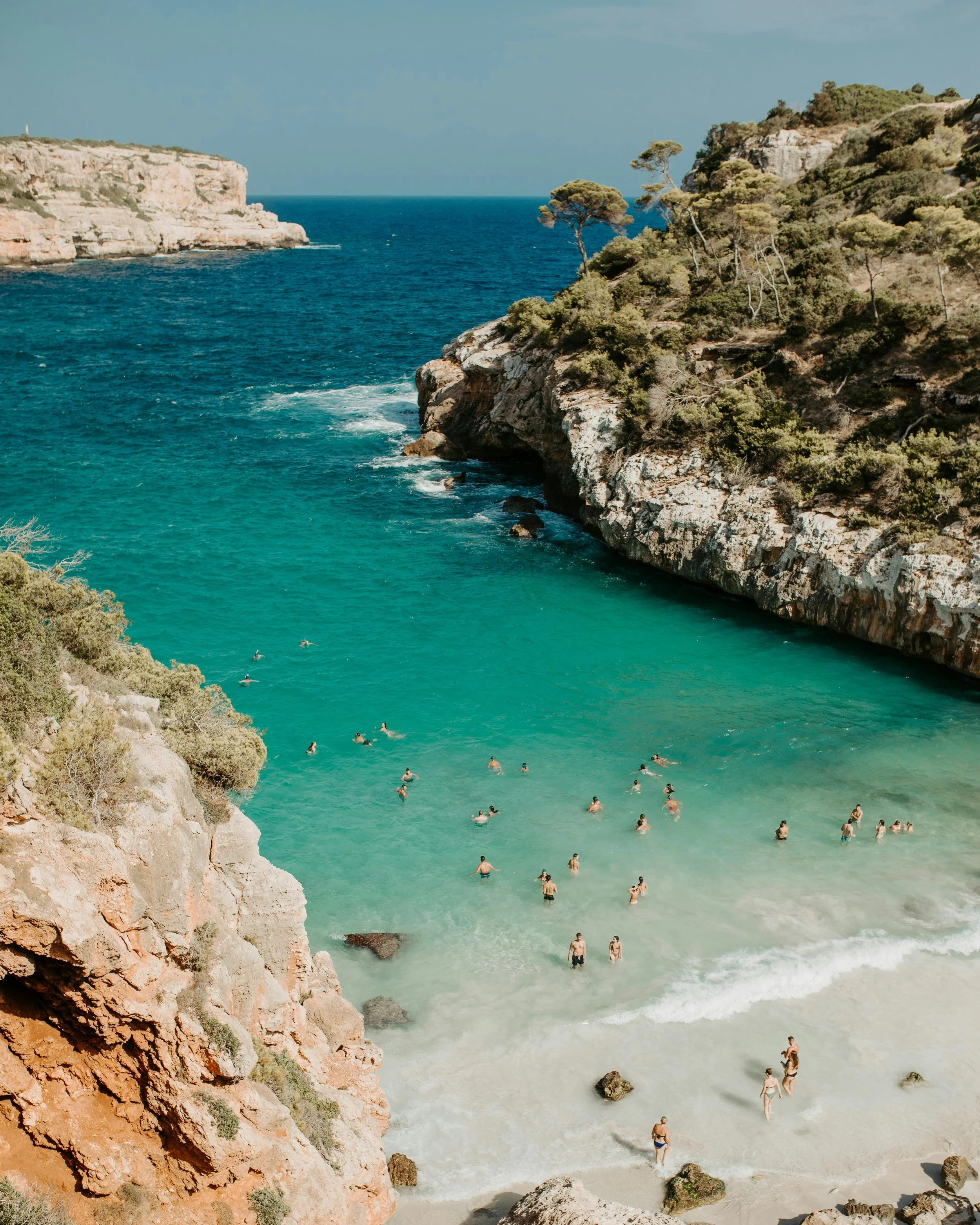
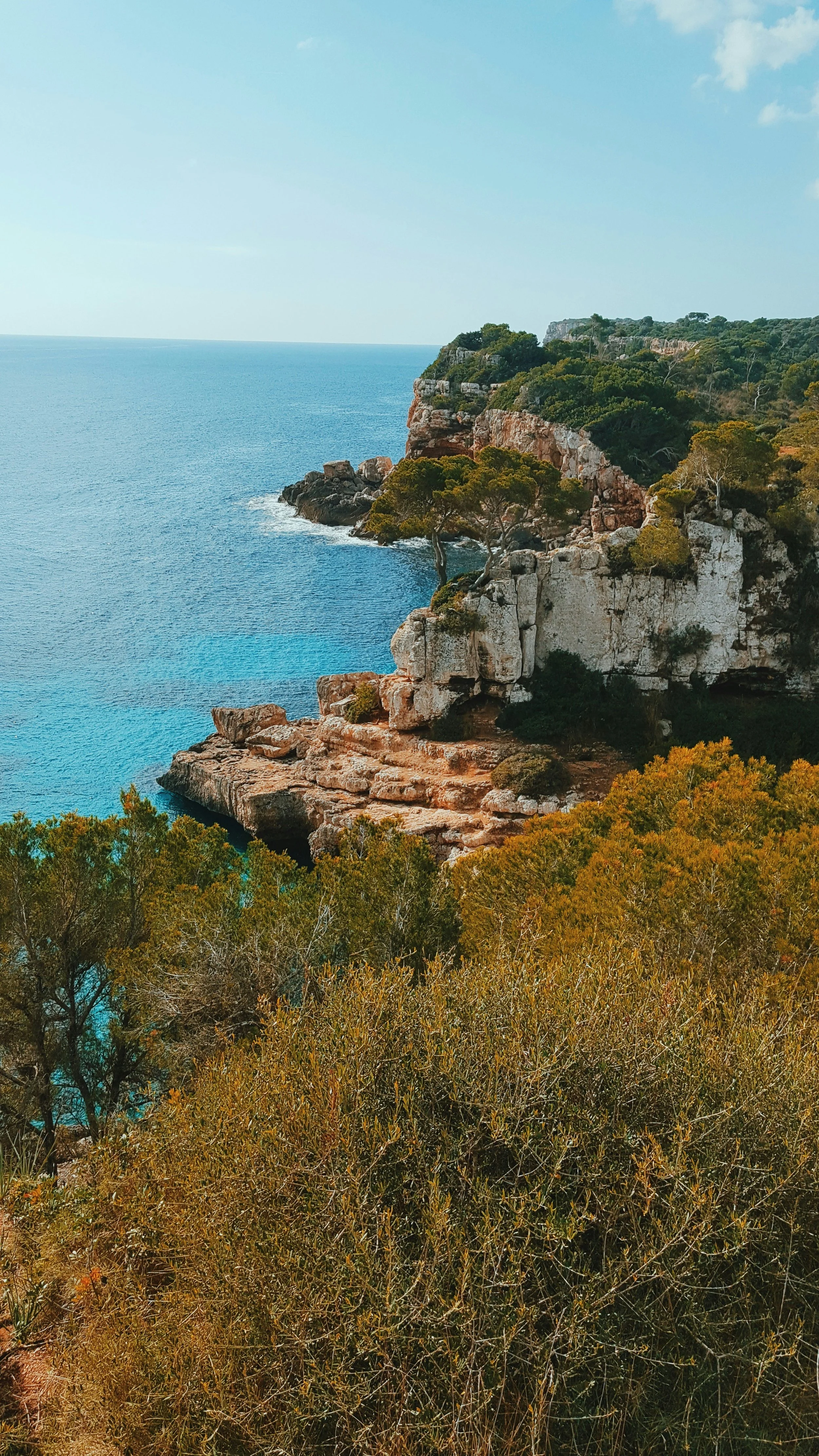
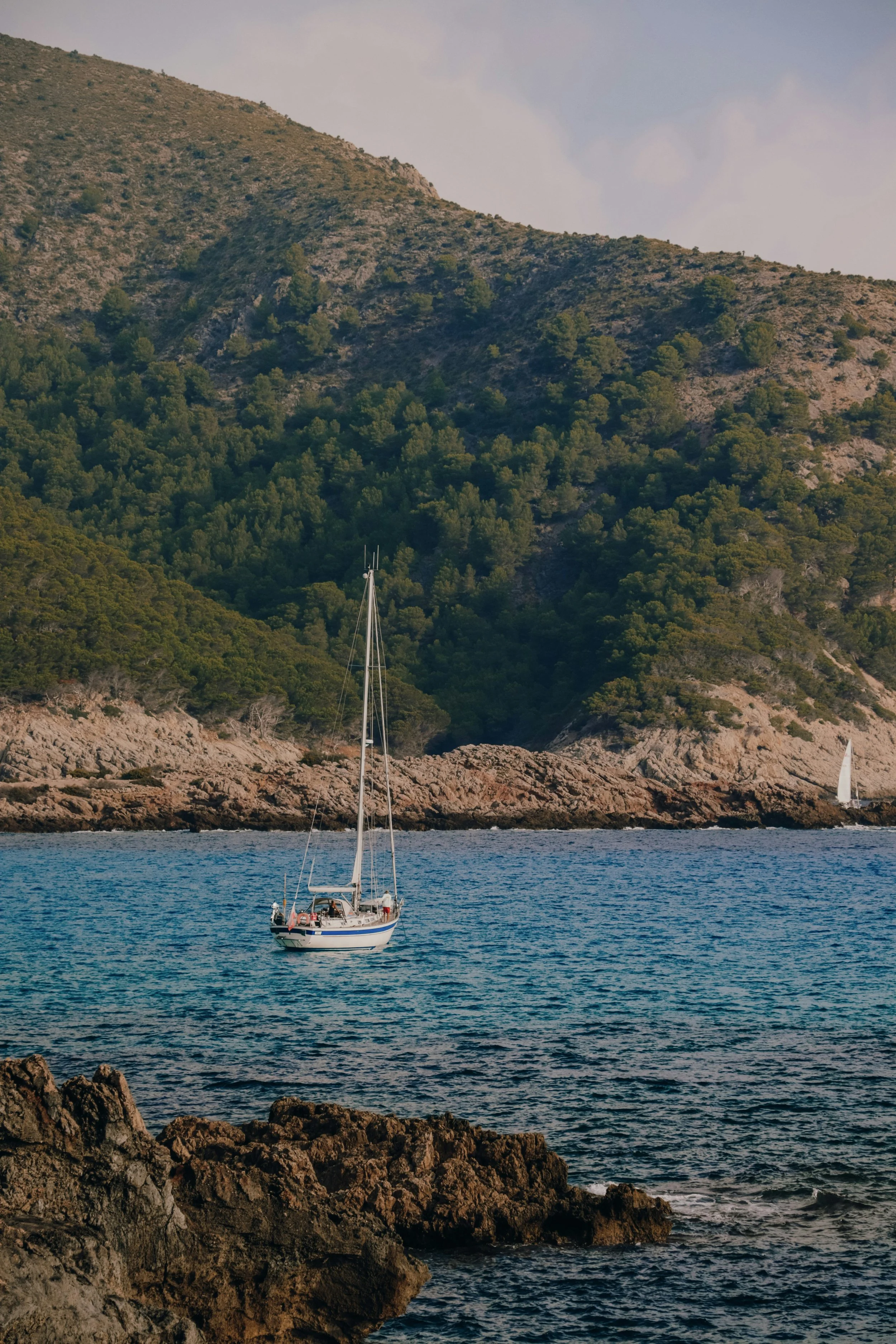
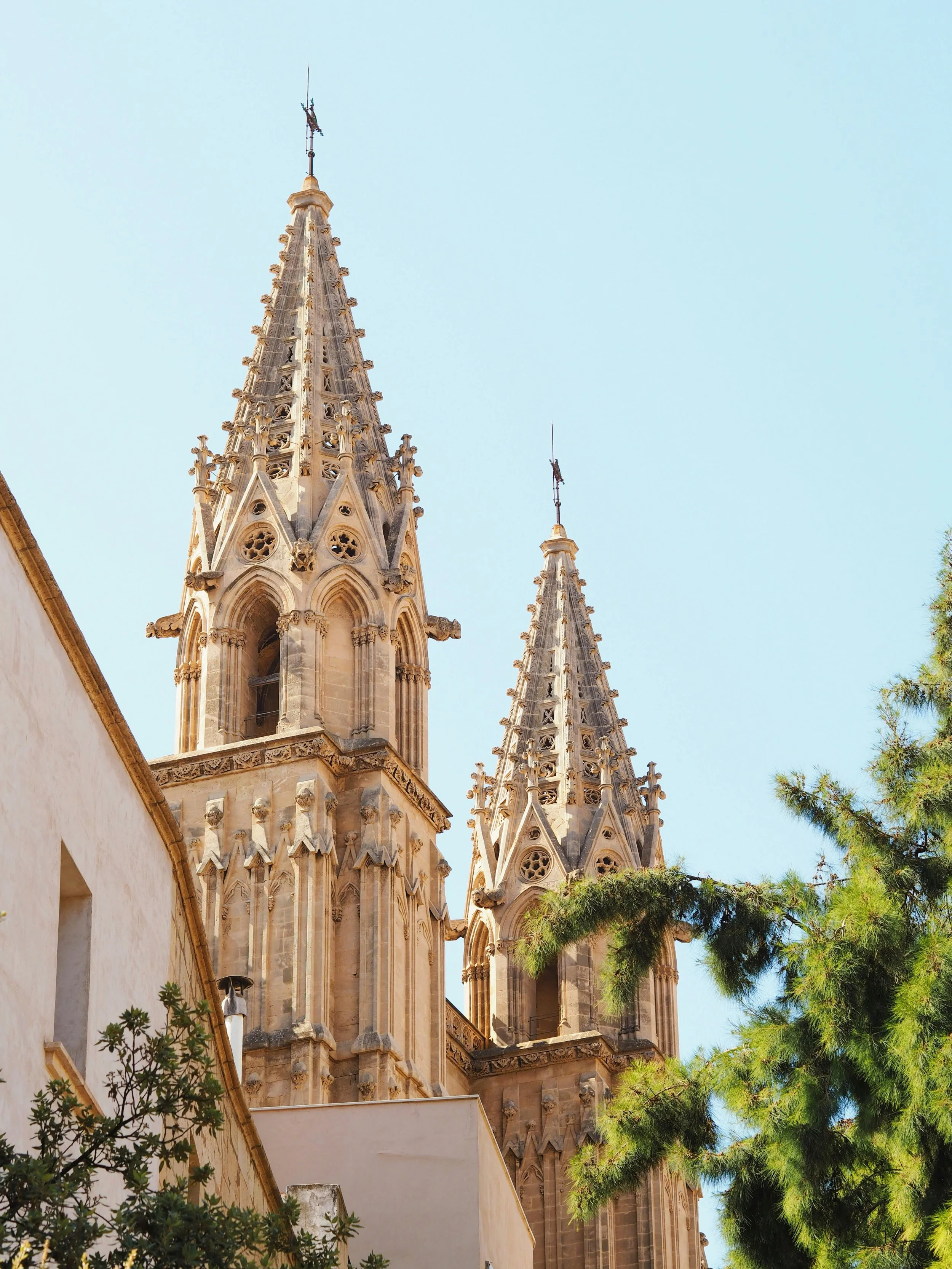
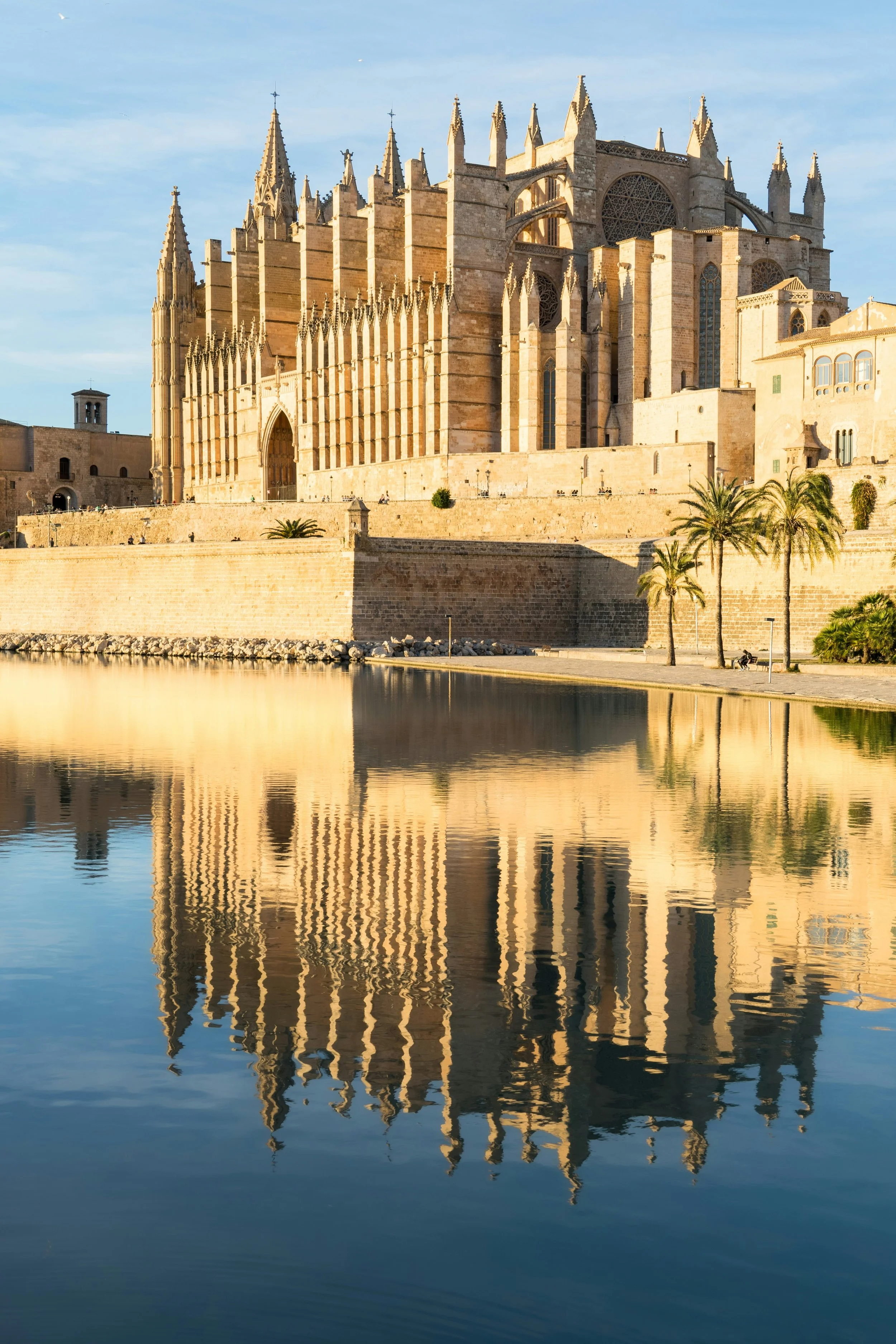
For: One last Mediterranean celebration
October is the month when choosing the right Mediterranean island really matters.
Our pick is Mallorca.
Official Balearic tourism information lists October temperatures around 23°C maximum and 15°C minimum, with approximately 11 hours of daylight, while also warning that autumn brings increased rain. The sea and outdoor lifestyle can nevertheless remain very much part of an autumn trip.
That balance is exactly why Mallorca works.
You're no longer planning a guaranteed midsummer beach wedding, so the venue needs a genuinely beautiful Plan B. In return, you get fincas, mountains, olive groves, Mediterranean architecture and the possibility of warm autumn days after much of Europe has moved firmly into fall.
Why October: One of the last opportunities on our calendar for a Mediterranean-feeling wedding.
The look: Stone fincas, olive trees, earthy florals and golden-hour dinners.
November - Sicily, Italy
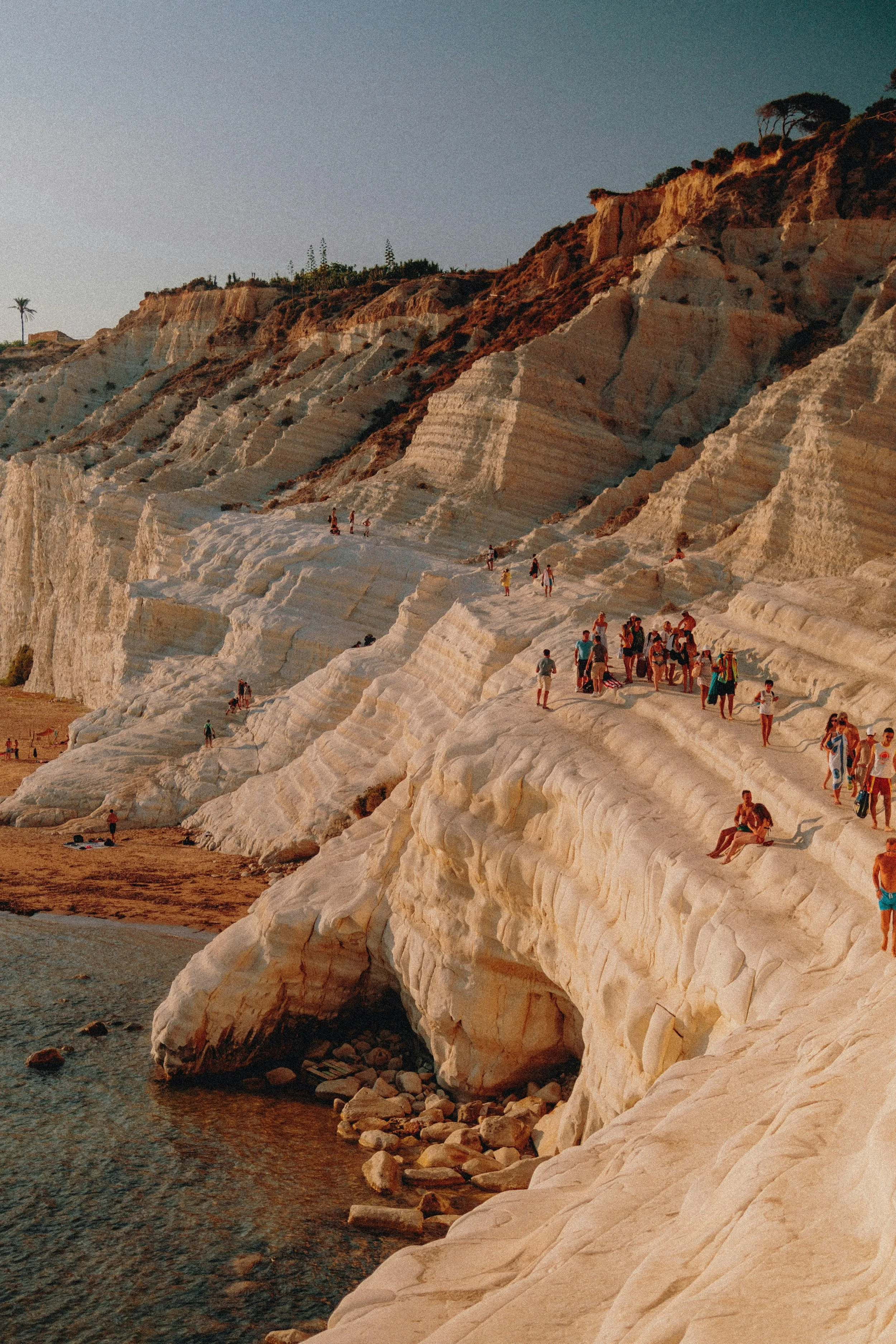
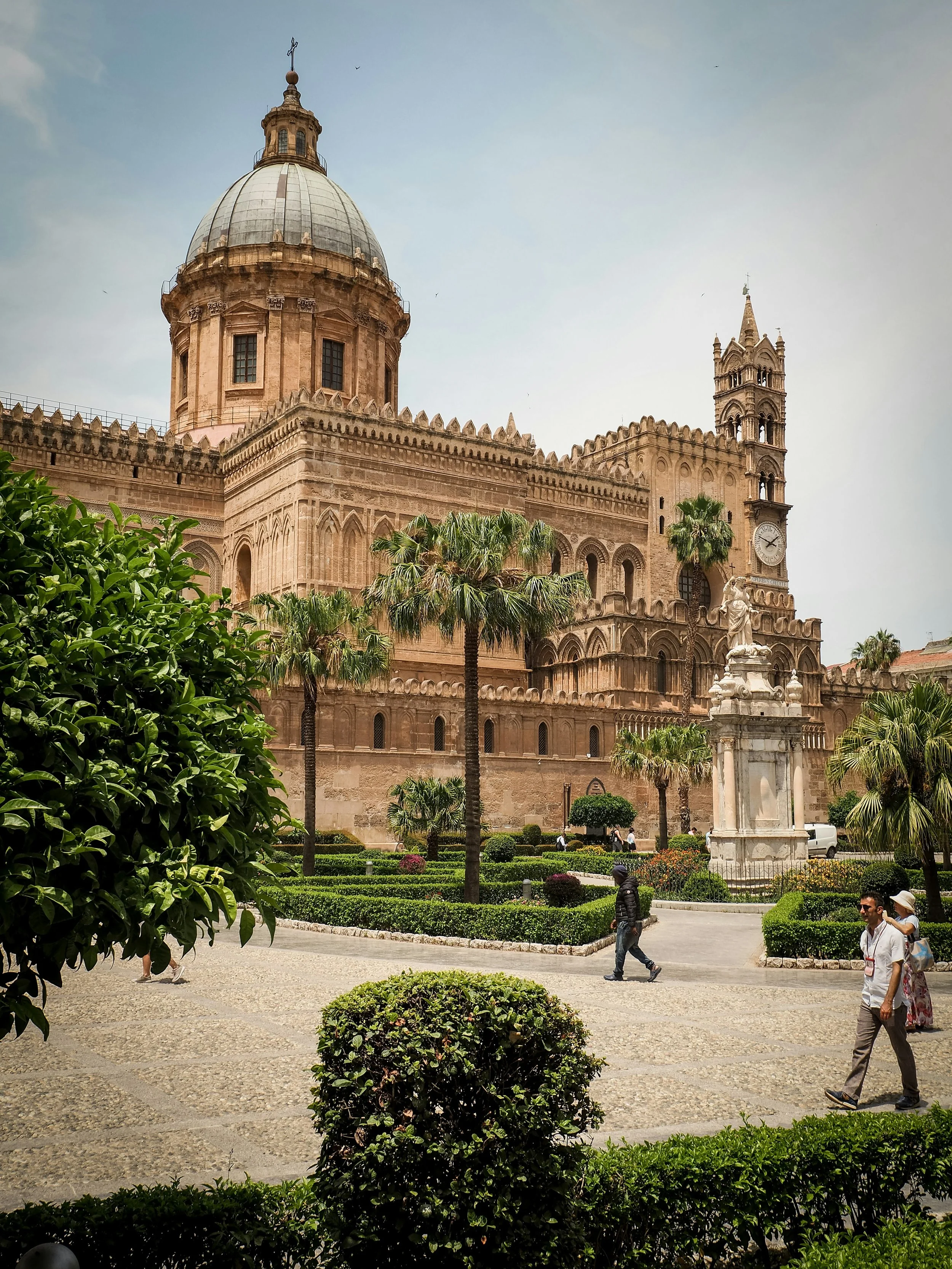
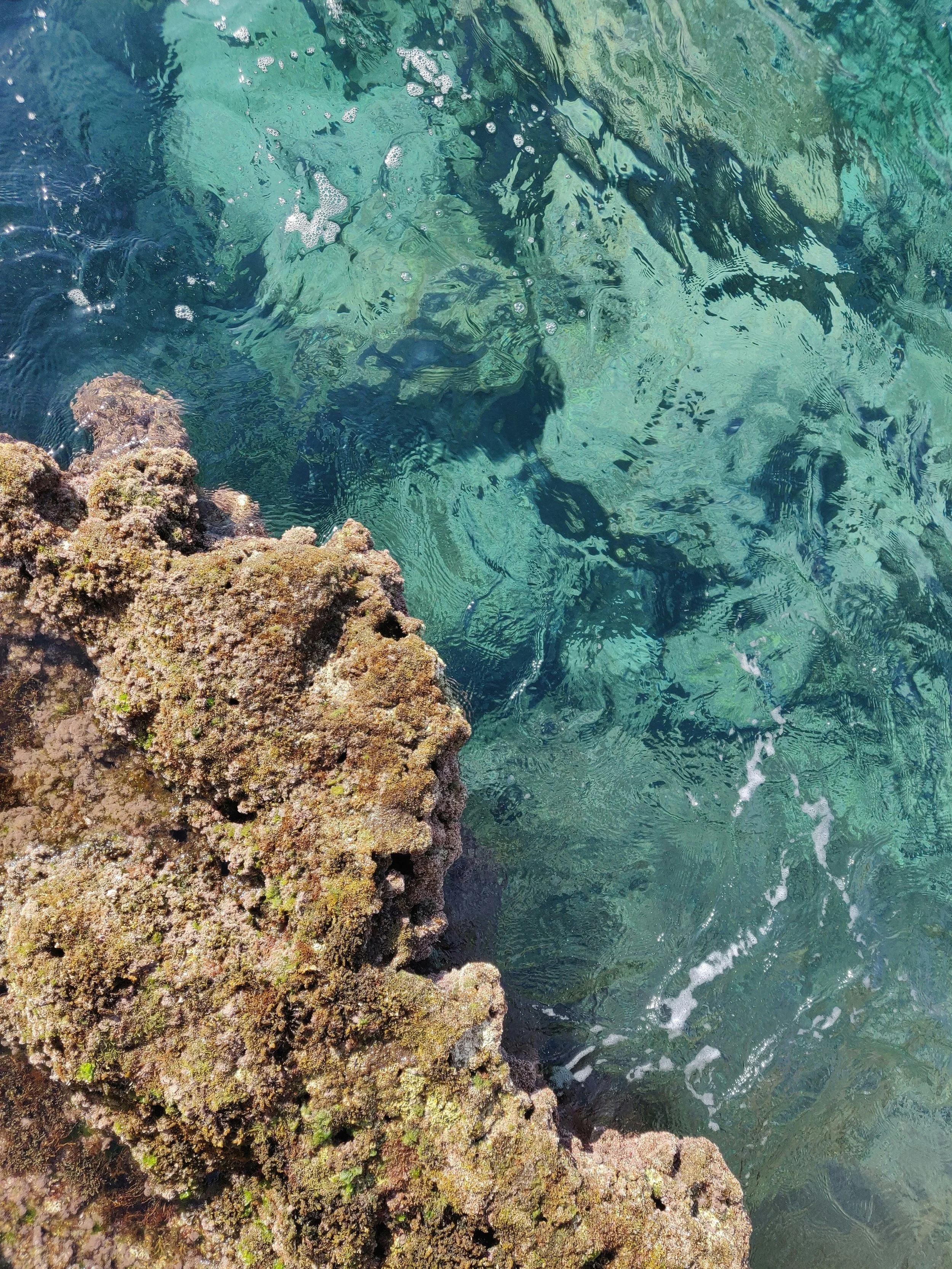
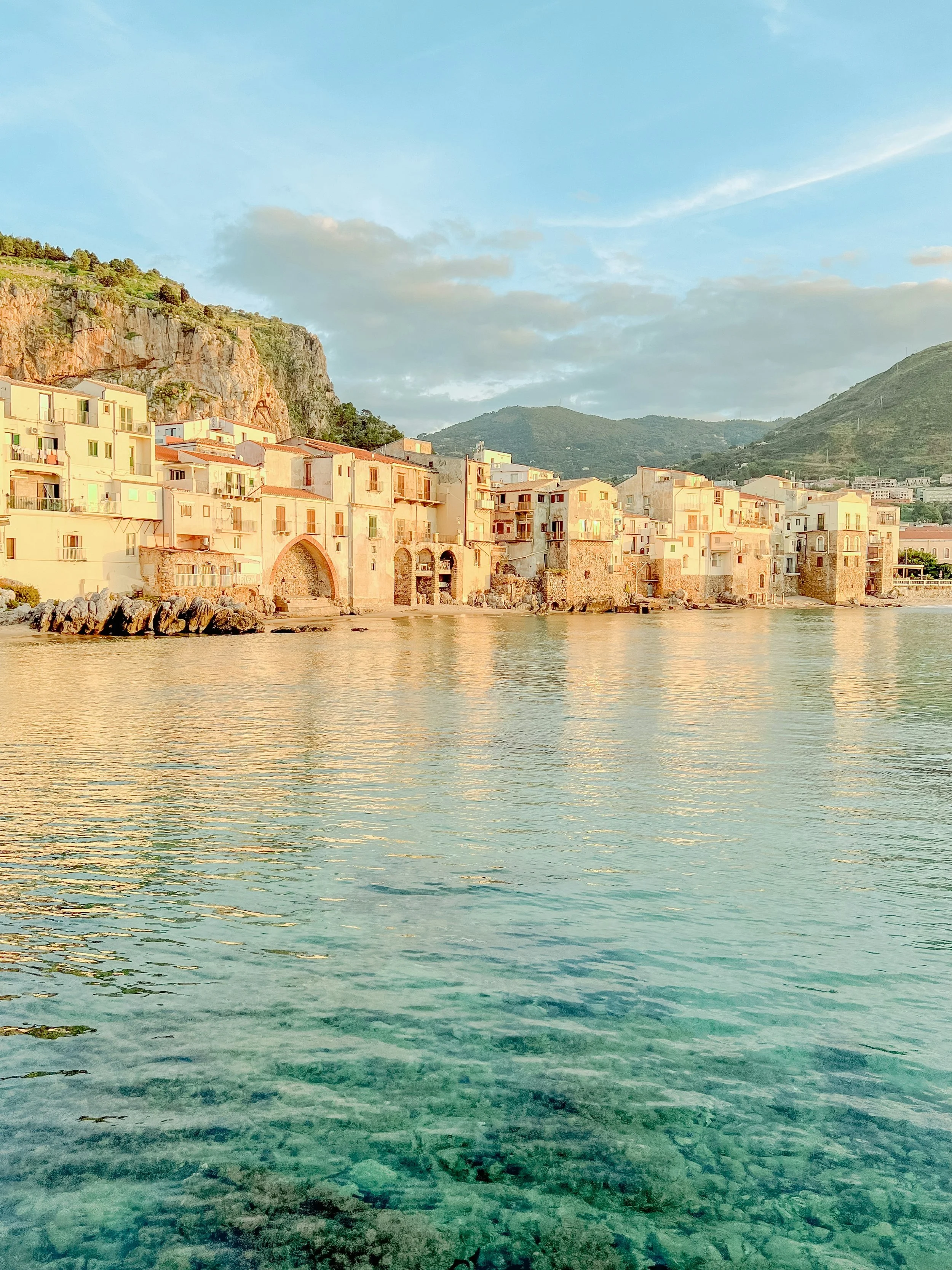
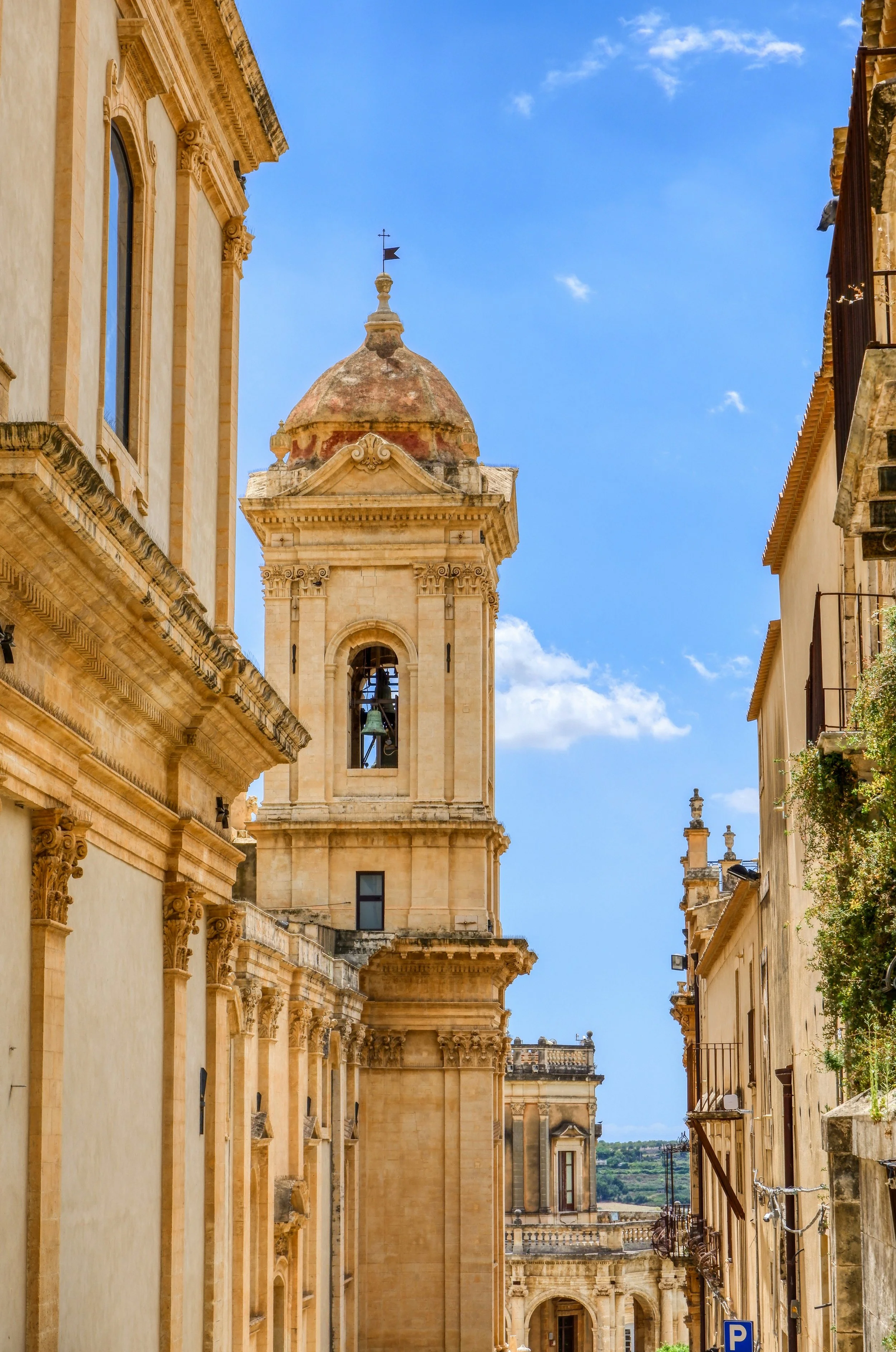
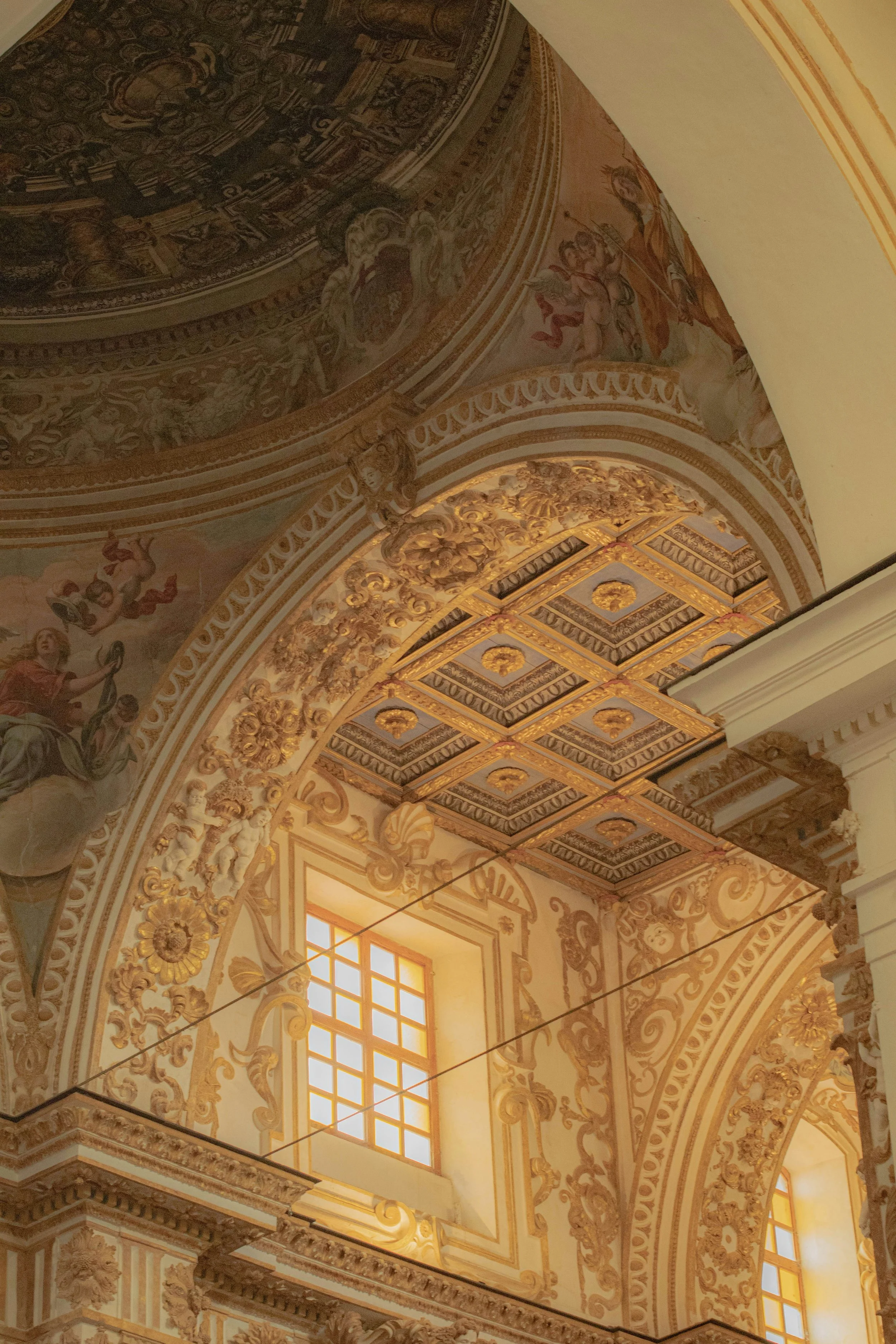
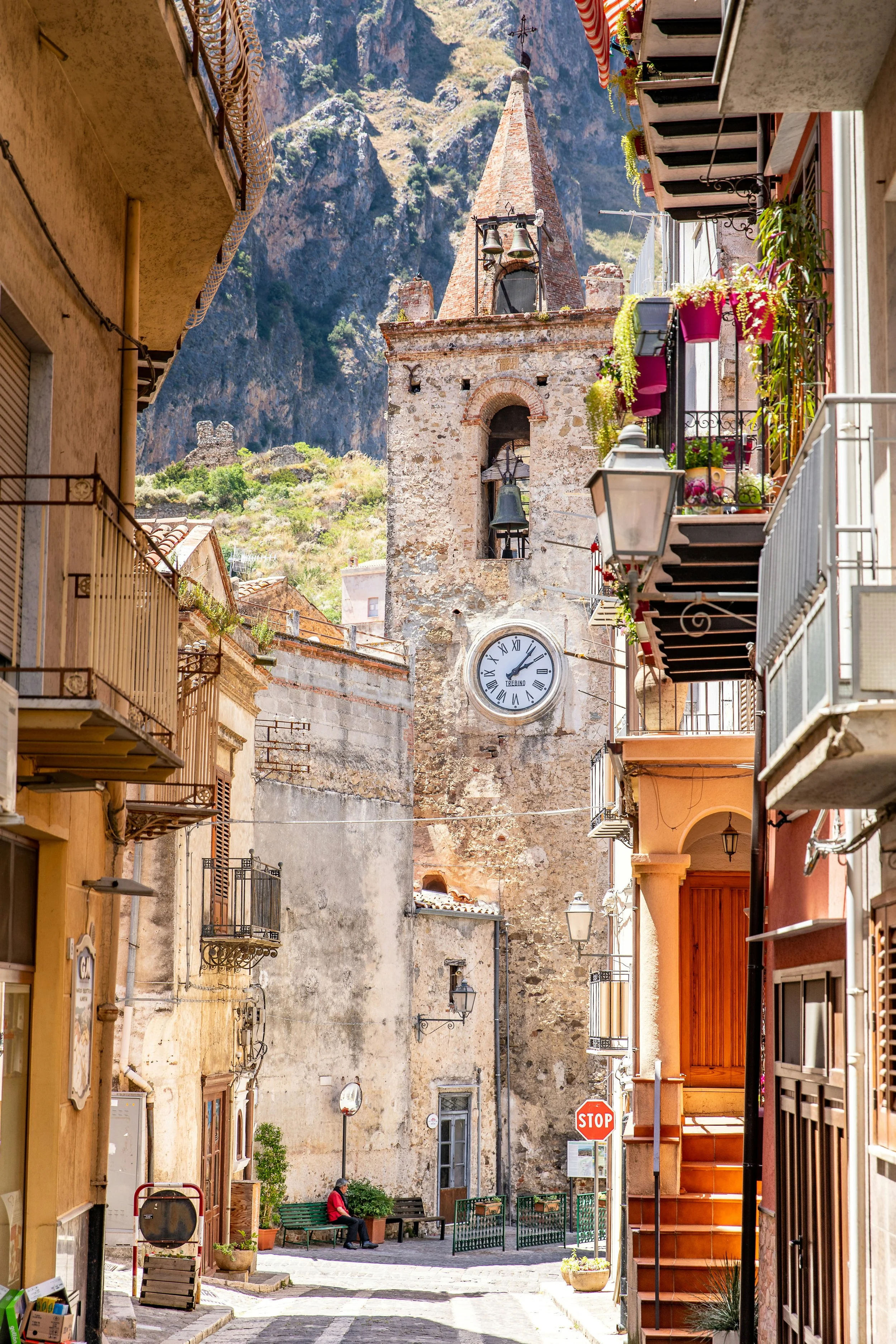
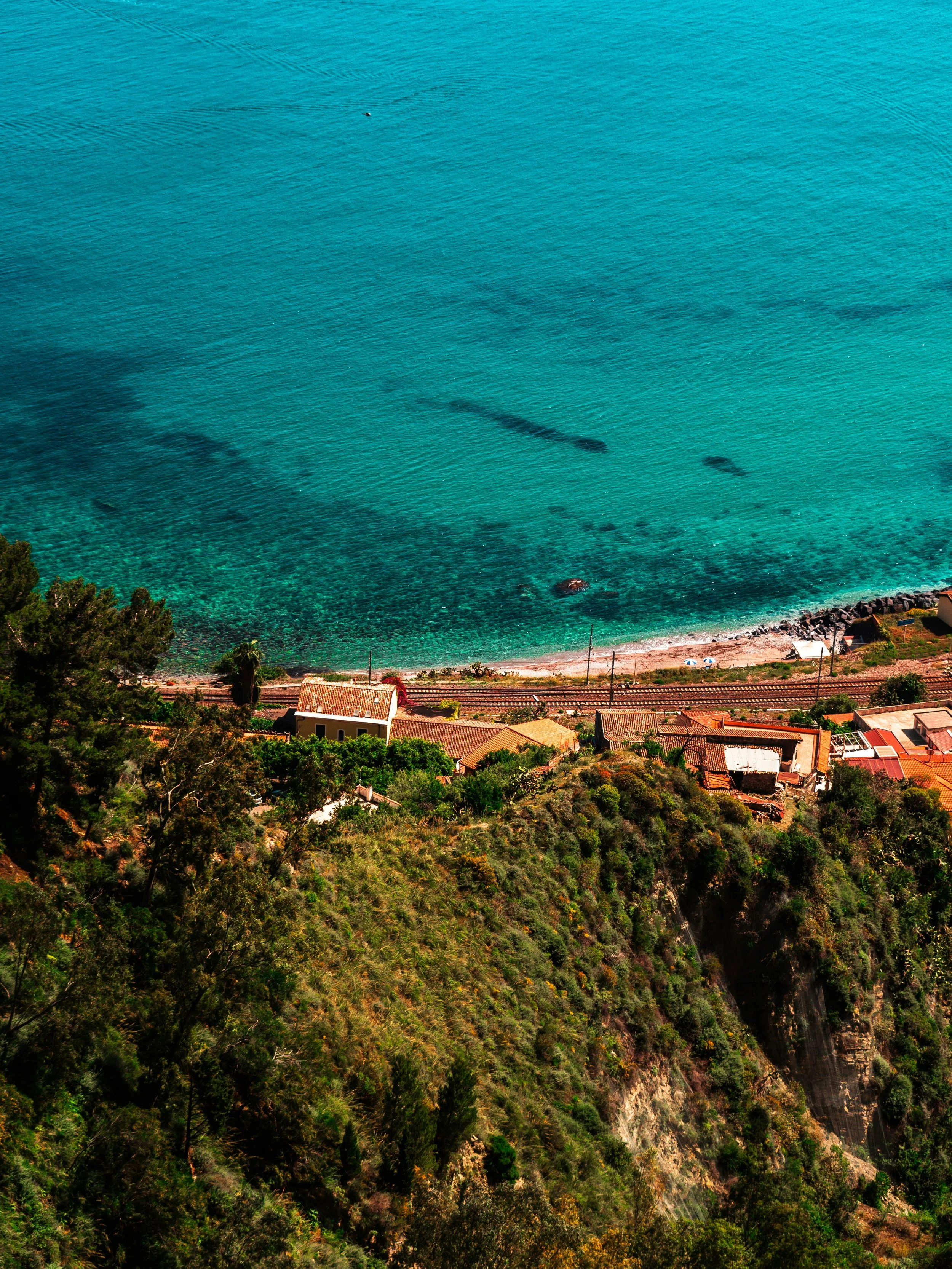
For: Couples willing to trade guaranteed heat for atmosphere
November requires a change in expectations.
This isn't the month to chase a traditional European summer wedding. Instead, head south and embrace a slower, more atmospheric celebration.
Sicily has a mild Mediterranean climate and more than 2,500 hours of sunshine annually. Official Italian tourism guidance describes spring and autumn as particularly suited to exploring its villages, cities and landscapes, while winter minimum temperatures typically remain around 50–57°C.
A November wedding here should be designed around the season rather than pretending it is July. Think historic palazzi, candlelit interiors, citrus, wine, long dinners and excursions through Baroque towns.
Why November: Sicily gives an off-season wedding character rather than making it feel like a compromise.
The look: Baroque architecture, citrus, candlelight, wine and old-world glamour.
December - The French Alps
For: The European Christmas wedding
December deserves spectacle.
And few settings deliver it quite like the French Alps.
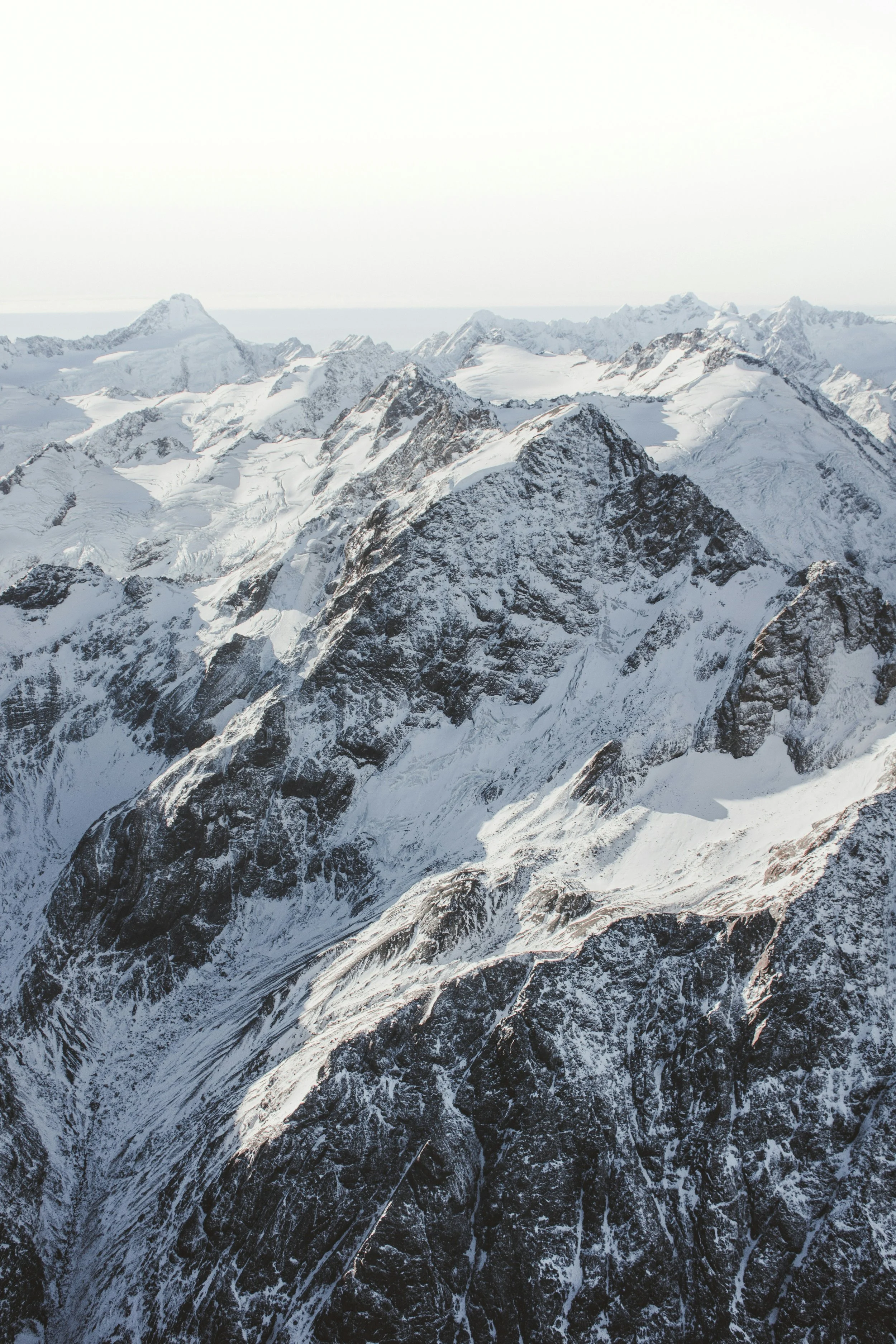
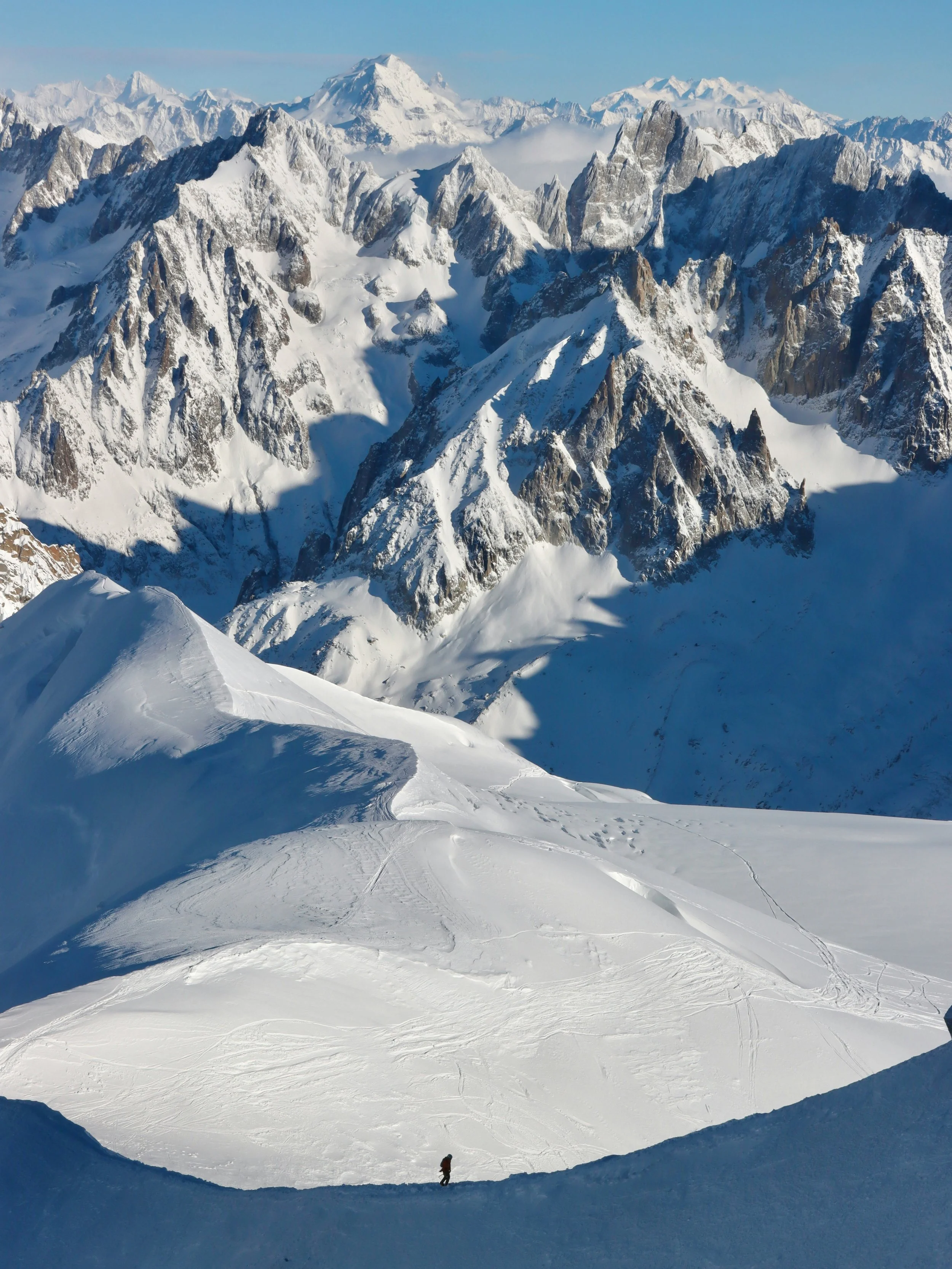
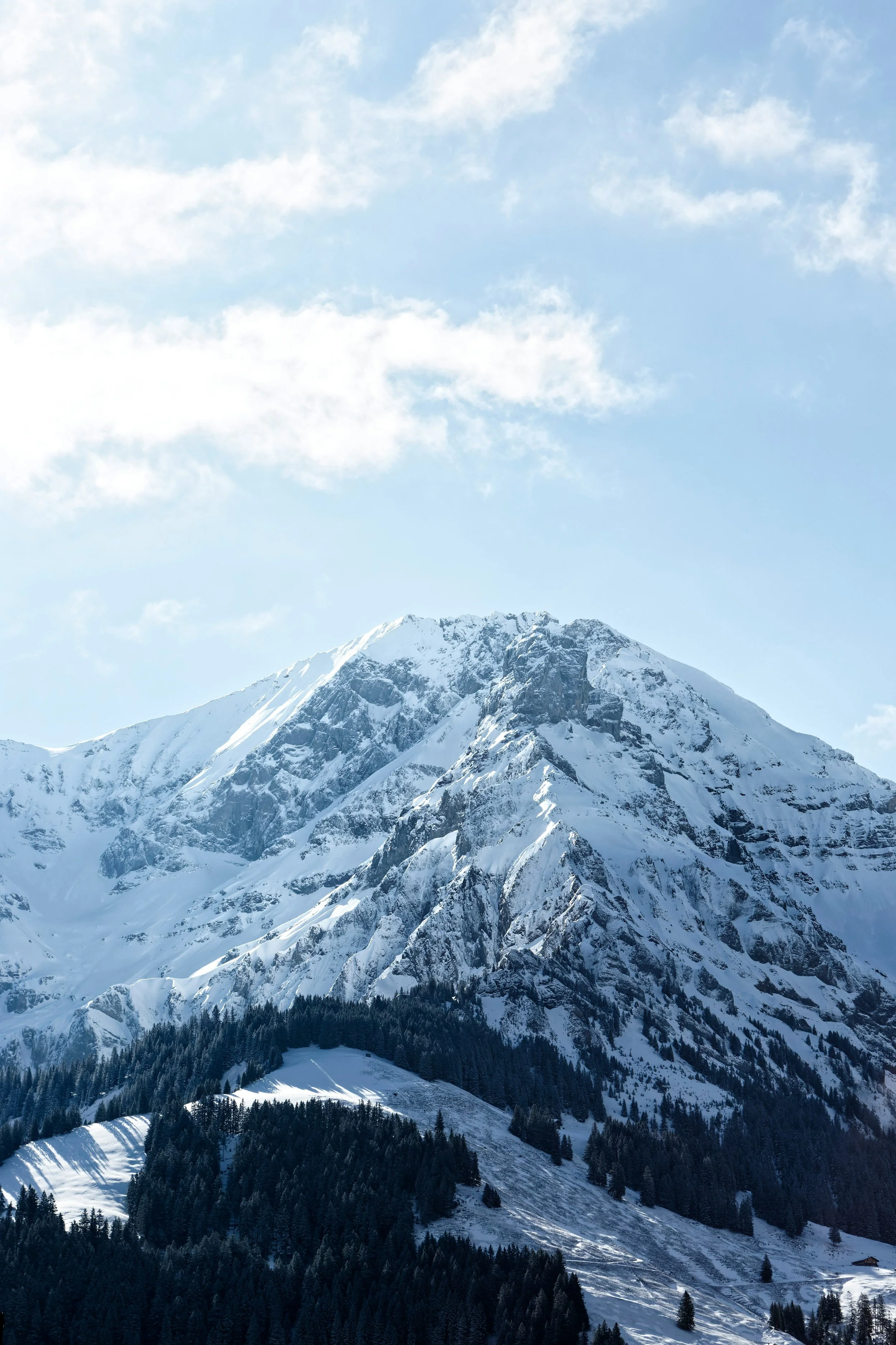
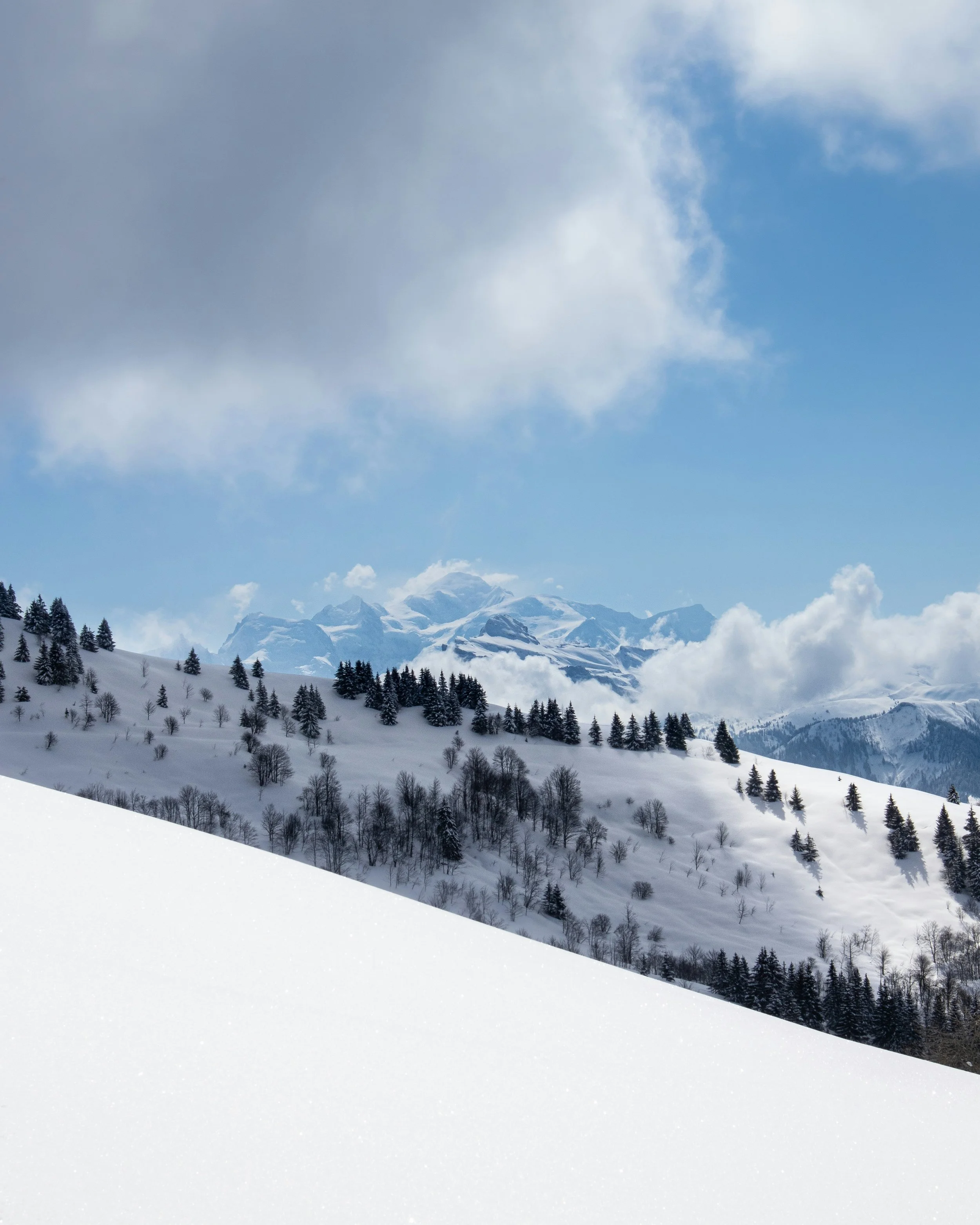
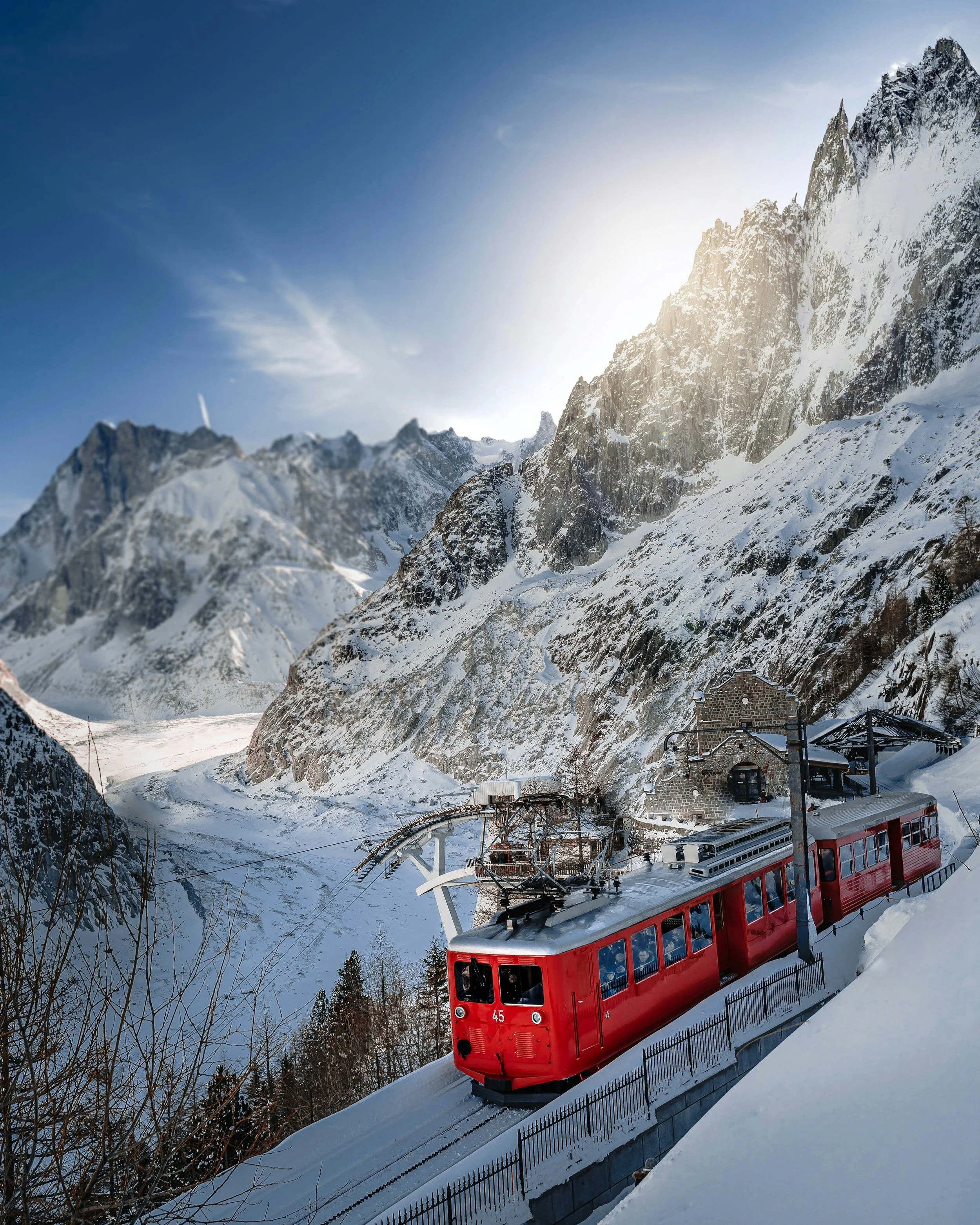
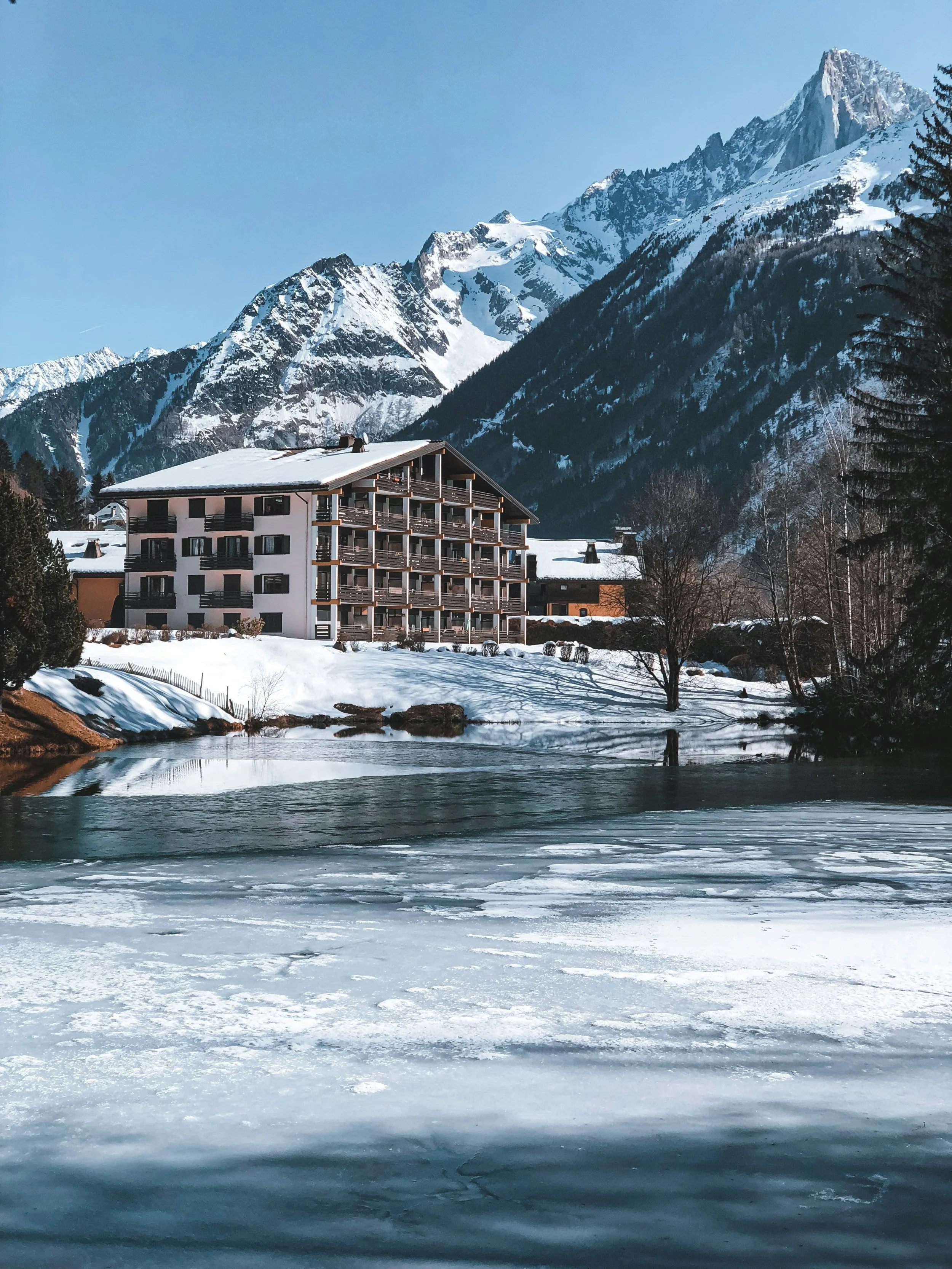
By winter, snow transforms the Alpine peaks, valleys and mountain villages, while many ski areas begin opening from late November into early December depending on conditions. France's official tourism site describes the region at Christmas in exactly the terms you'd hope for: snow-covered chalets, mountain scenery, festive villages and fireside evenings.
This is where a December wedding can become an entire Christmas-house-party experience: guests arriving for several nights, welcome fondue, skiing or spa time, a black-tie wedding and Champagne against a snowy mountain backdrop.
Snow conditions are never something a wedding can guarantee months in advance, so choosing the right altitude and venue — and creating a celebration that works beautifully indoors regardless — matters.
Why December: Nowhere does festive quite like the Alps.
The look: Black tie, Champagne, fireplaces, snow and Christmas lights.
The takeaway
Choosing a European wedding destination isn't just about finding somewhere beautiful. Europe has thousands of beautiful venues.
The more useful question is: when will that destination give you the wedding you are imagining?
A Tuscan villa and an Alpine chalet can both create extraordinary weddings, but they shouldn't be approached in the same month, with the same expectations or with the same contingency plans.
Start with your priorities. If the date is non-negotiable, use the season to narrow the map. If the destination is non-negotiable, find the part of the year when it shines.
Because when the month and the destination work together, Europe does most of the decorating for you.
