
When it came to planning my own wedding in Italy, there were plenty of things I cared about - the venue, the setting, the music, and the experience we were creating for our guests. But as the daughter of a chef, a lifelong foodie myself and knowing most of our guests had never even heard of an Olive Garden, little to nothing was as important to me as the food.
I didn't want our wedding meal to feel like wedding food. I wanted our guests to sit down and feel like they were in Italy. I wanted the ingredients, the wine, the way the meal was served, and even the events we planned around it to feel connected to the place we'd chosen to get married.
For me, food wasn't simply another box on the wedding-planning checklist. It was part of the experience we were asking our guests to travel all the way to Europe for.
And I think that's something worth considering much earlier in the destination-wedding planning process.
When you're choosing where to get married in Europe, you're also choosing where your guests will eat for three or four days. You're choosing the wine they'll drink at your welcome party, what they'll order when they wander into town for lunch, and the local dishes they'll discover between wedding events. In the right destination, food becomes part of the wedding weekend without you having to manufacture an "experience" around it.
So if you're the kind of couple who plans vacations around restaurant reservations, gets genuinely excited about the wine list, or believes one of the best ways to experience somewhere new is through its food, I'd put culinary culture much higher on your list of criteria when deciding where in Europe to get married.
These are five destinations I'd have at the top of that list.
Puglia, Italy
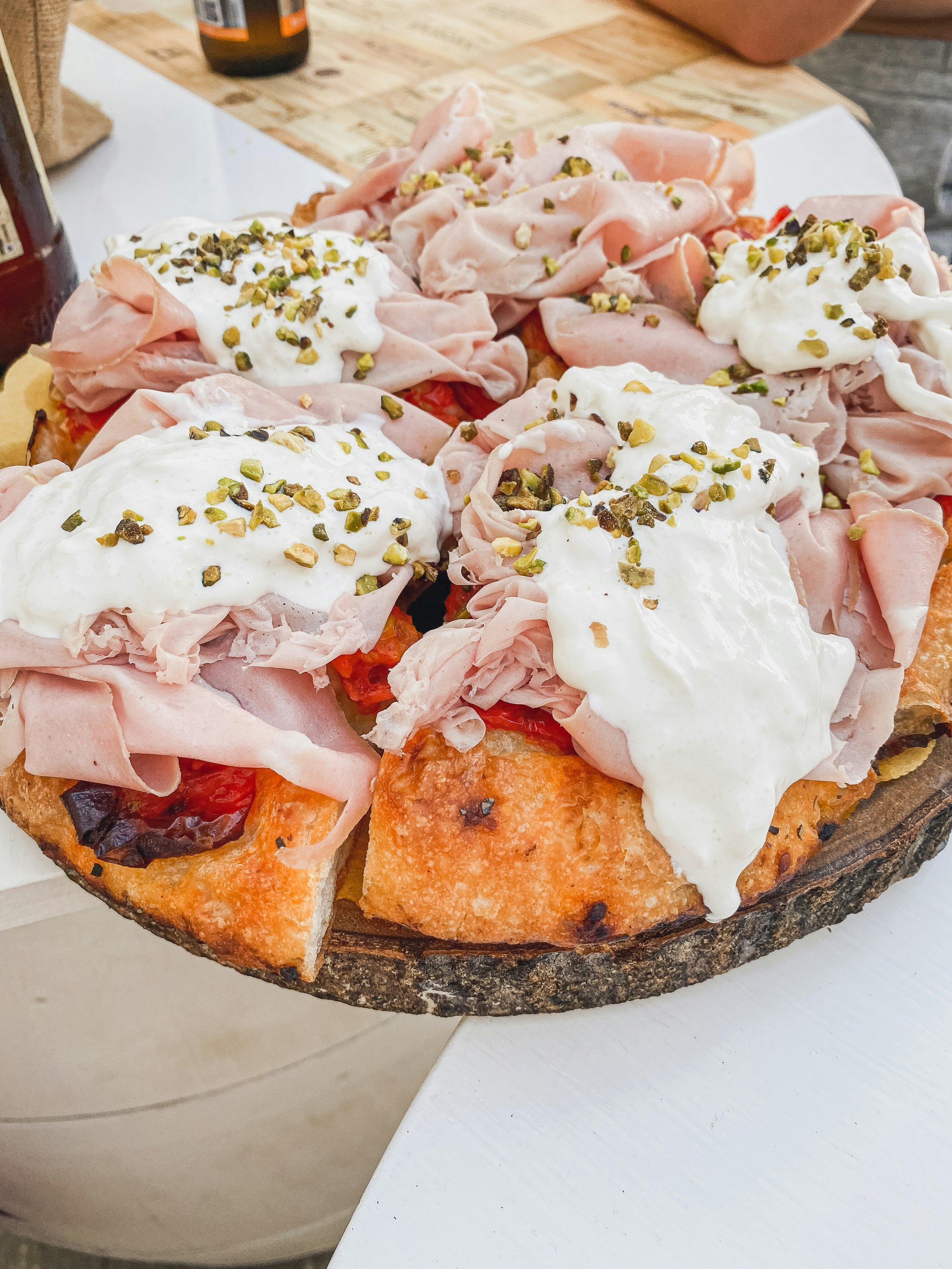
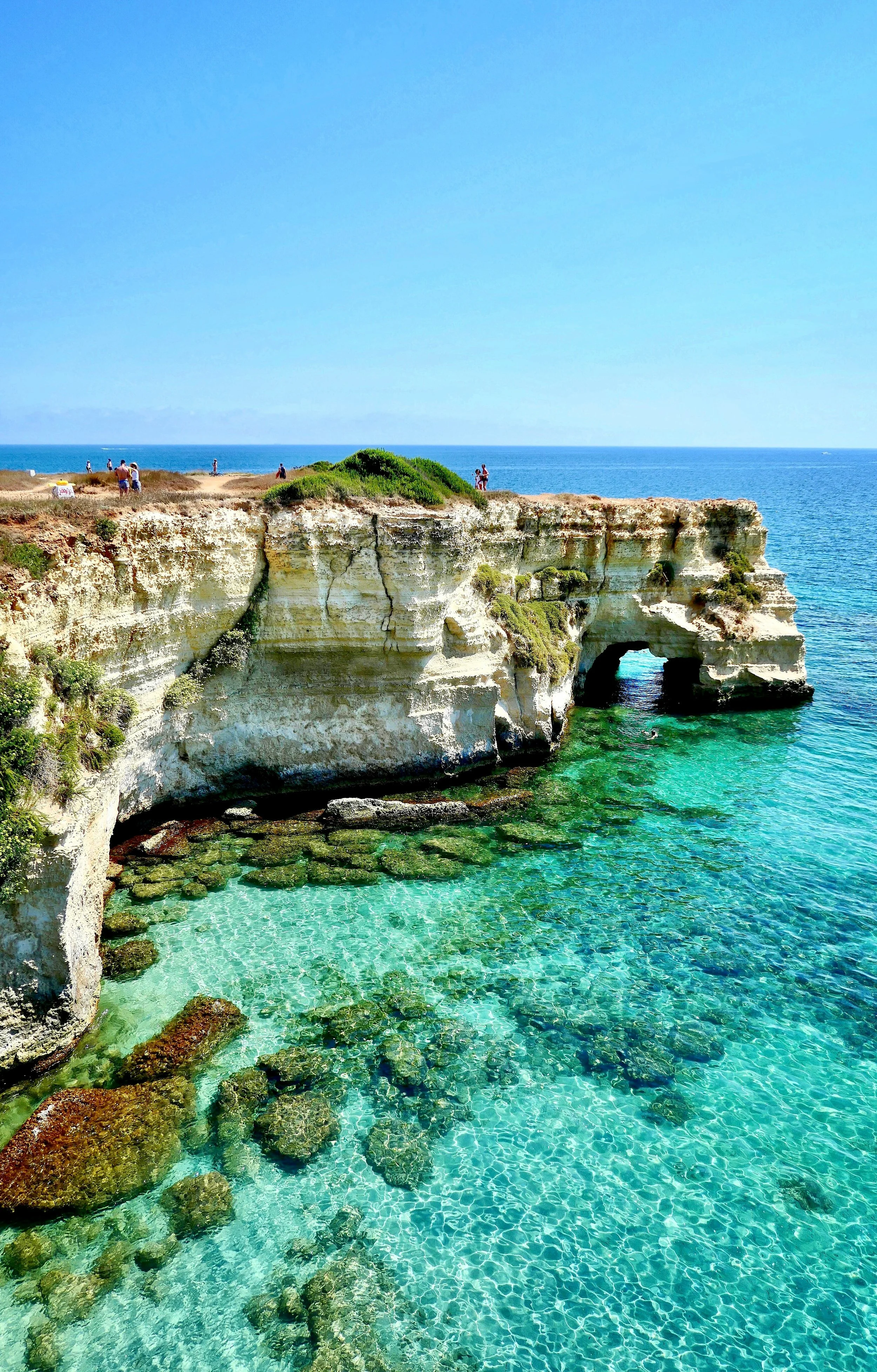
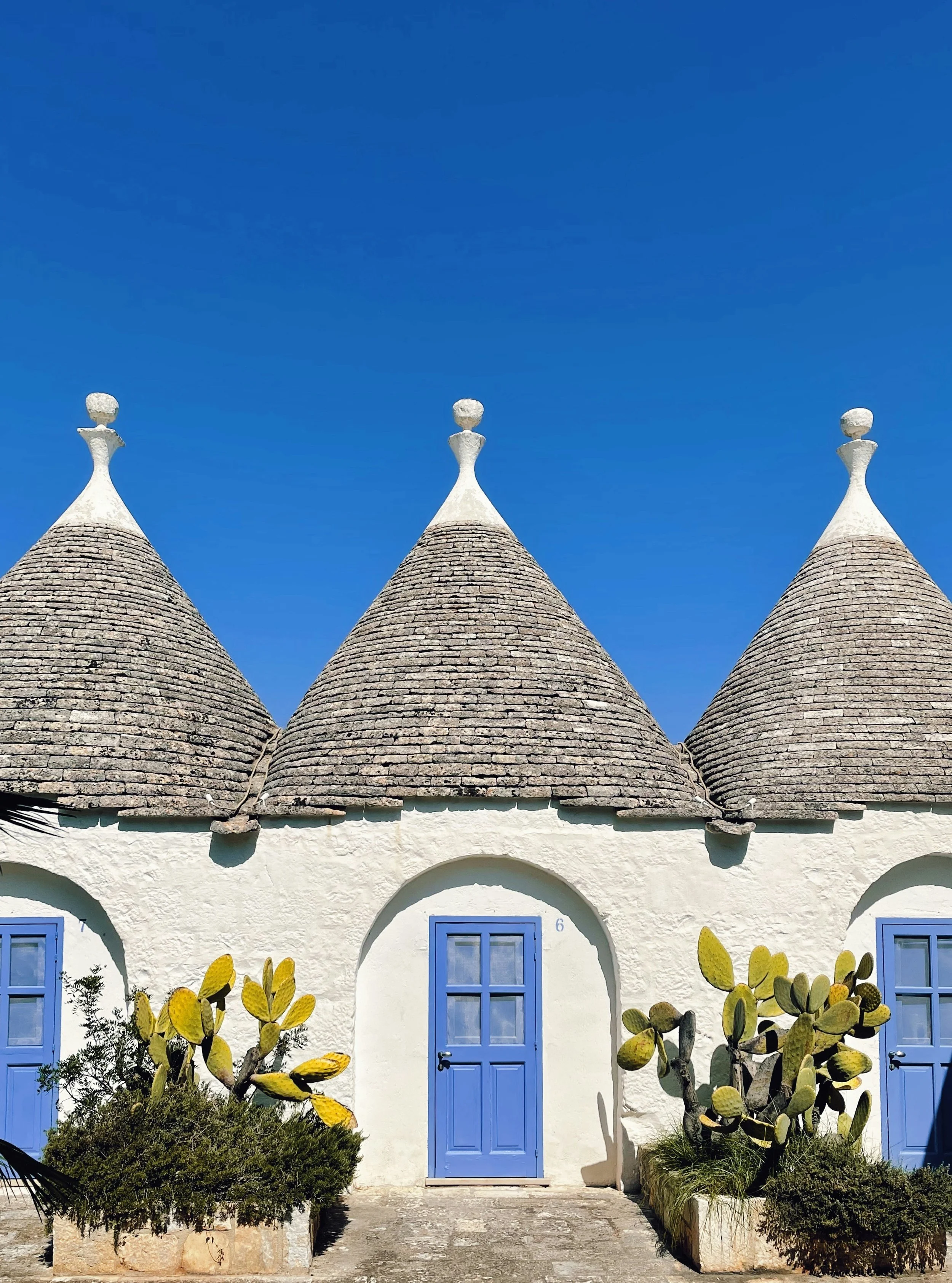
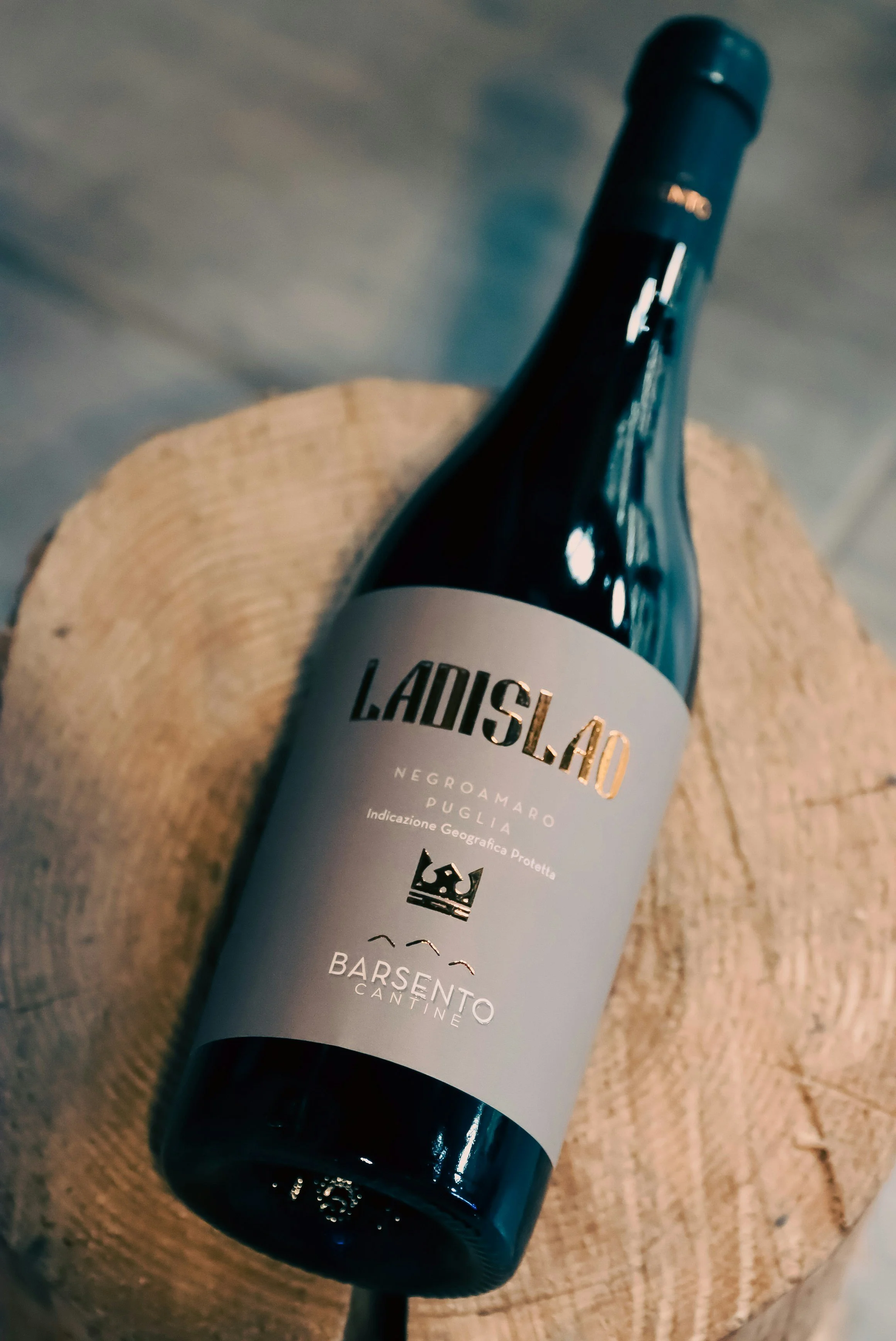
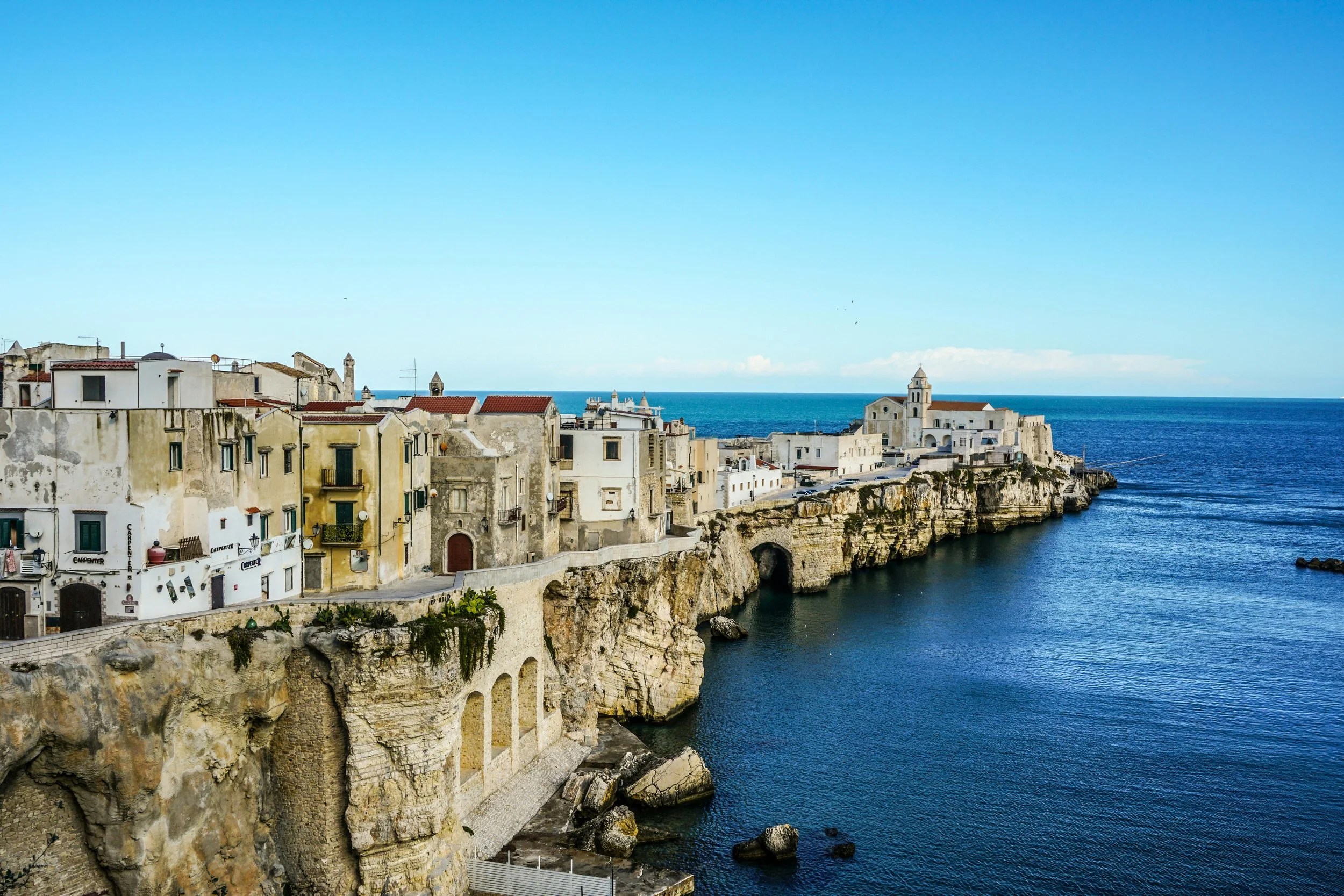
If your vision involves long tables, generous Italian food and dinners that last well into the evening, Puglia is difficult to beat.
The region's masserie - historic farmhouses and agricultural estates, many of which have been transformed into beautiful hotels and wedding venues - make the connection between the land and what's on the table feel especially natural.
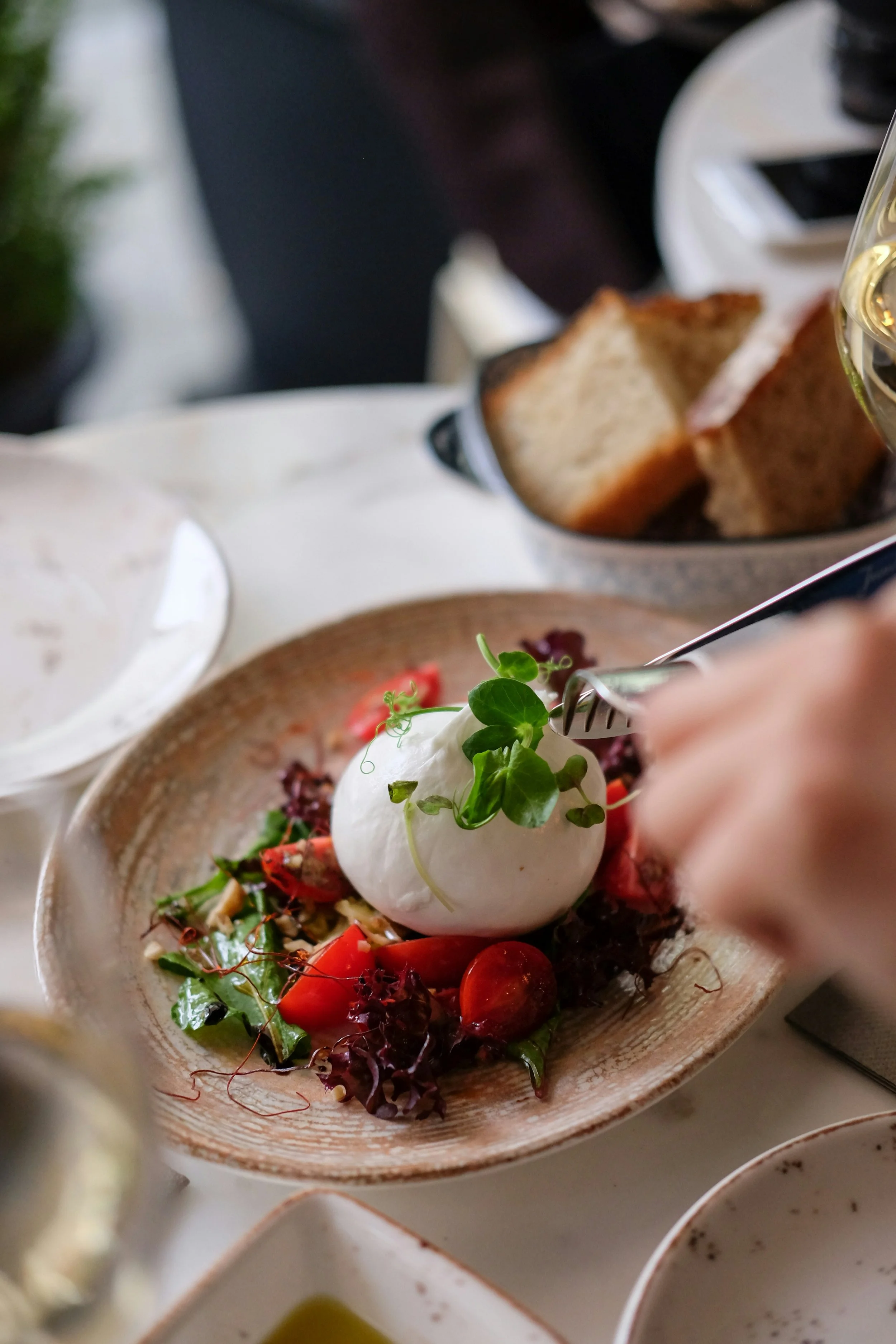
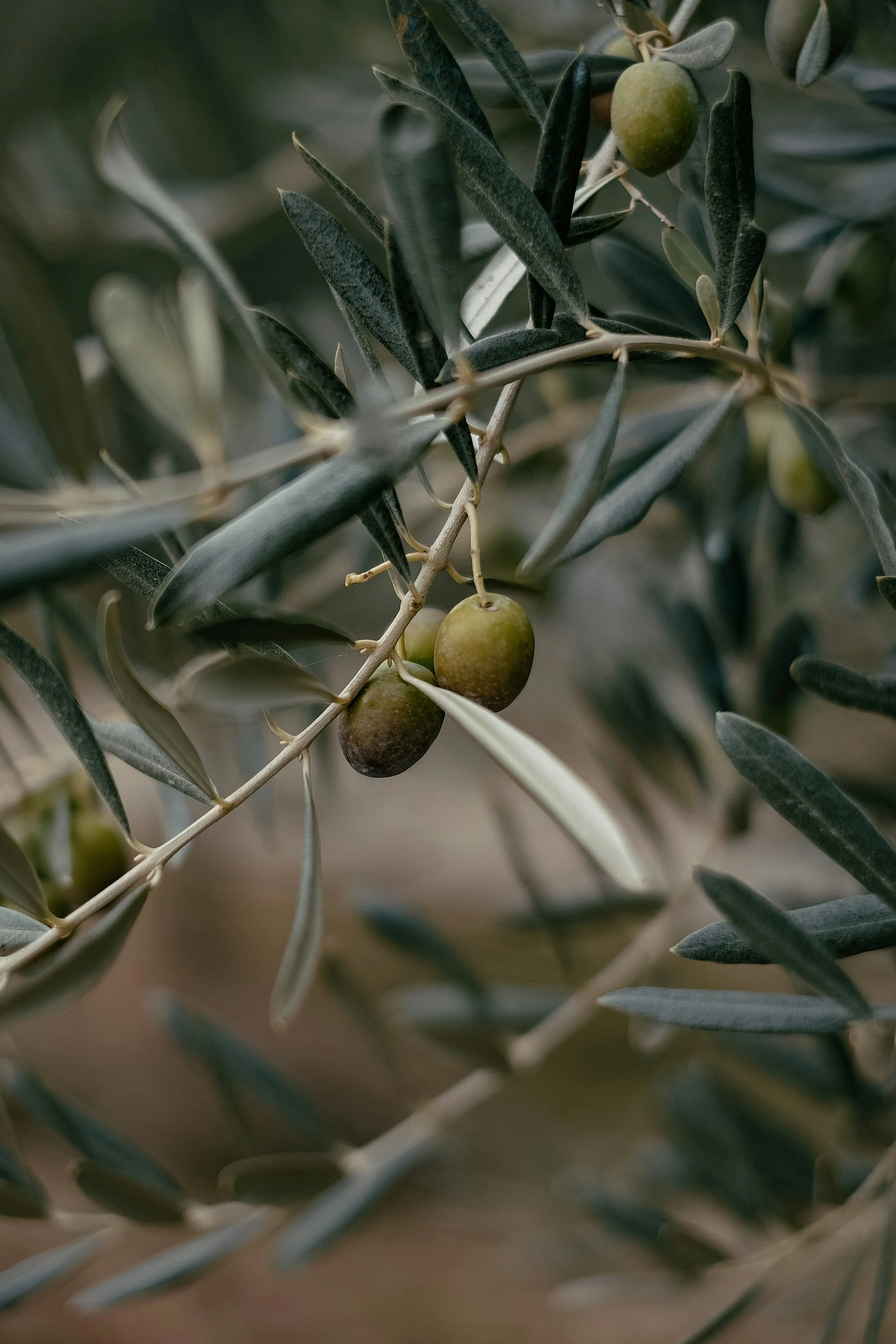
This is the home of burrata, and you'll also find orecchiette, focaccia Barese, incredible olive oil, vegetables grown in the region and plenty of fresh seafood along the coast. Add local Primitivo and Negroamaro wines, and you already have the foundations for a wedding menu that feels distinctly Puglian without needing to overcomplicate it.
It's also a destination that lends itself particularly well to a food-focused wedding weekend, rather than just a great wedding dinner.
I love the idea of beginning with an informal Italian welcome party - local cheeses, focaccia, grilled vegetables, pizza or pasta served family-style - before making the wedding dinner itself a little more elevated. The following day can be completely different again: a long poolside lunch, more wine and the kind of relaxed food that encourages everyone to stay at the table for another hour.
That's really where Puglia shines for me. The food doesn't have to be overly formal to feel special.
The Edit: If your dream wedding involves taking over a masseria, eating outside beneath the olive trees and making food part of every event rather than saving it all for the wedding dinner, start here.
Basque Country, Spain
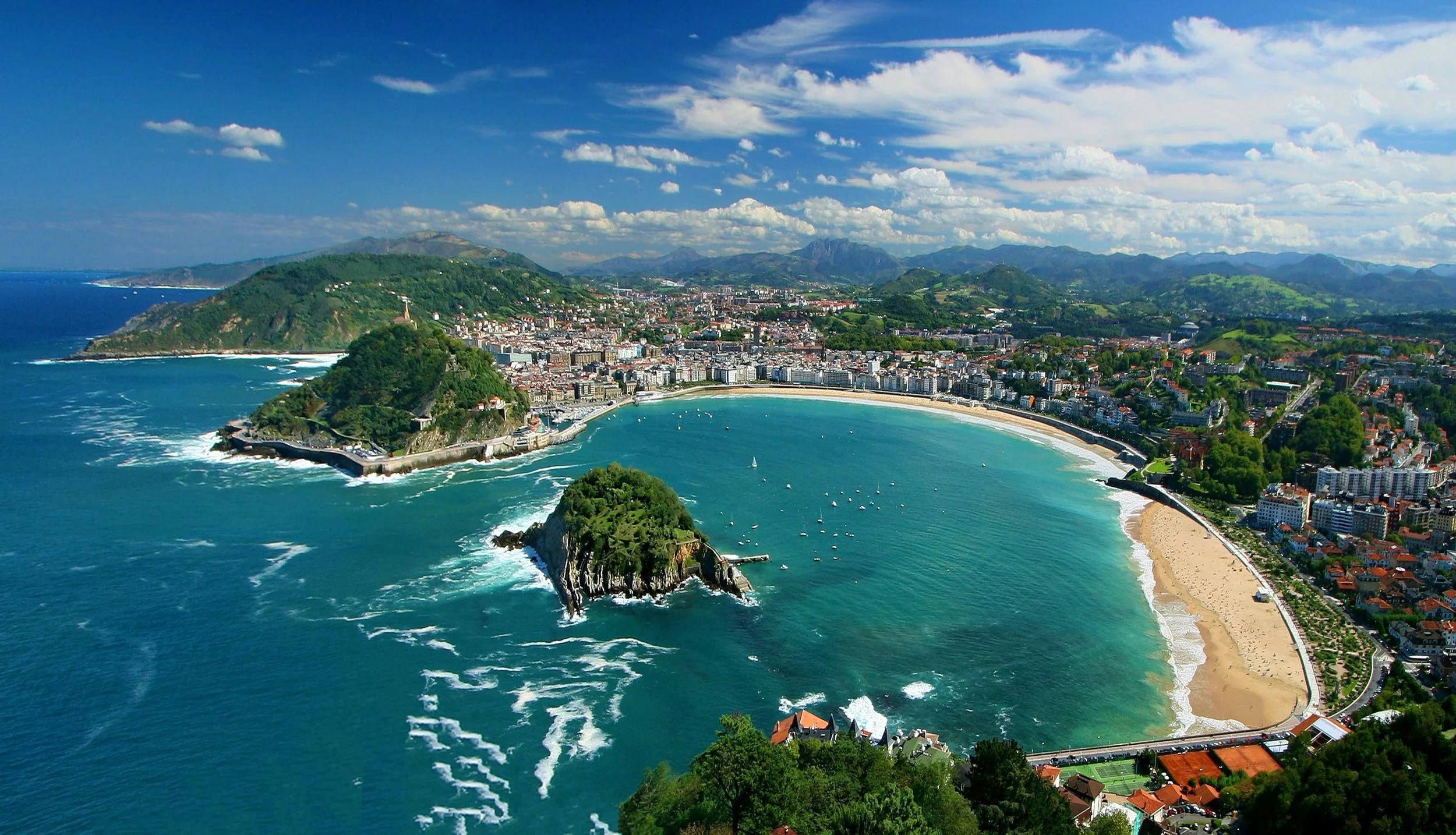
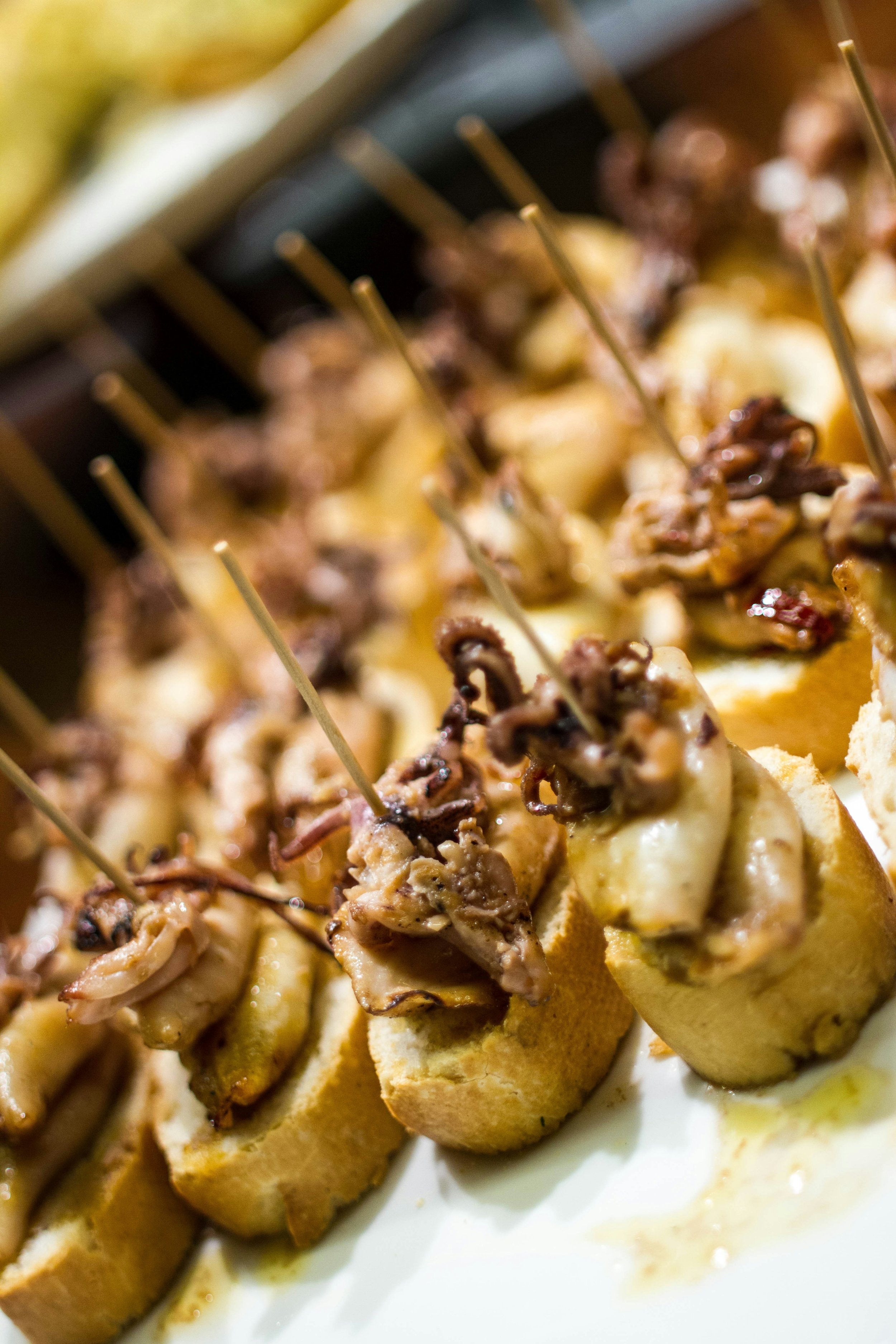
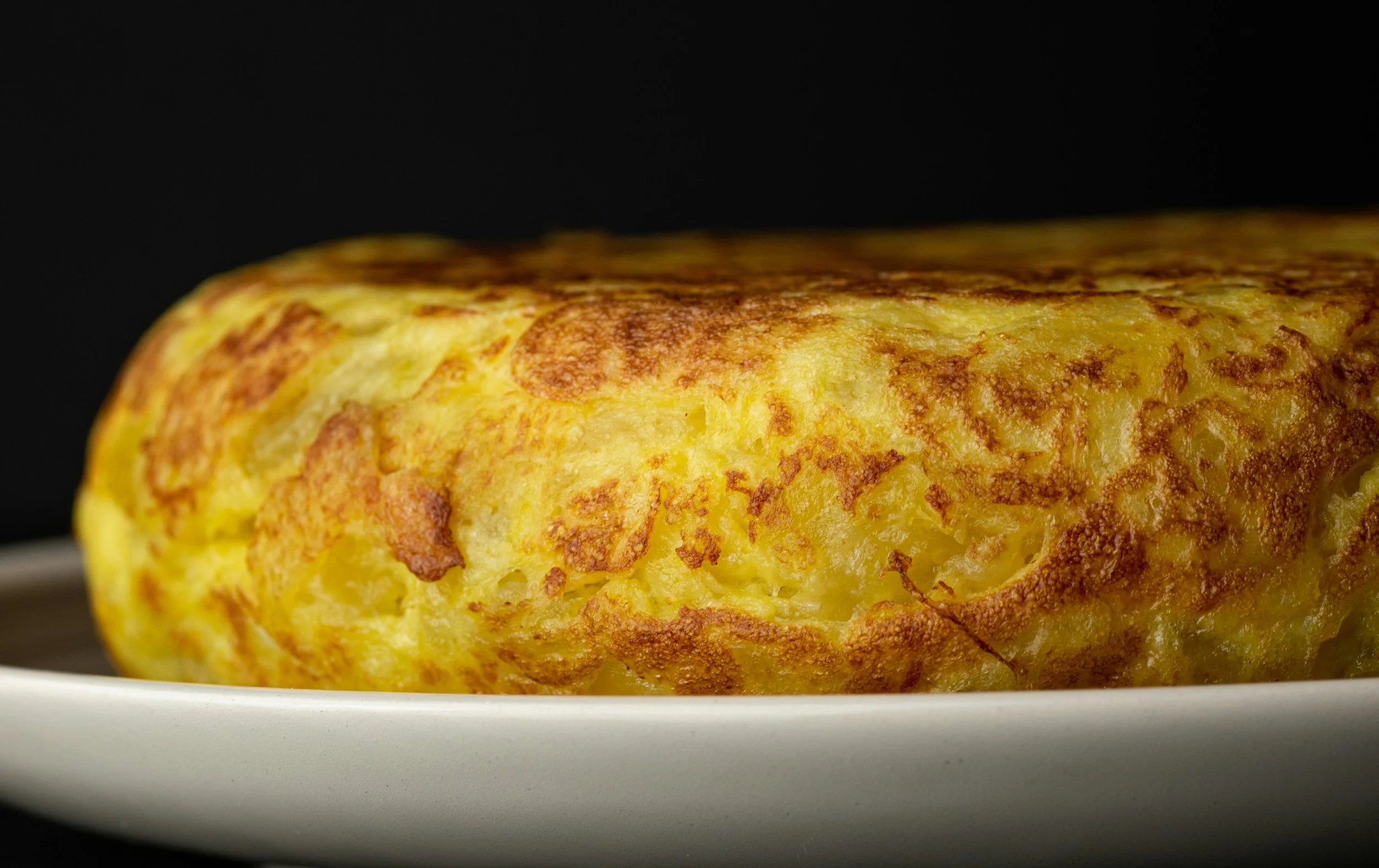
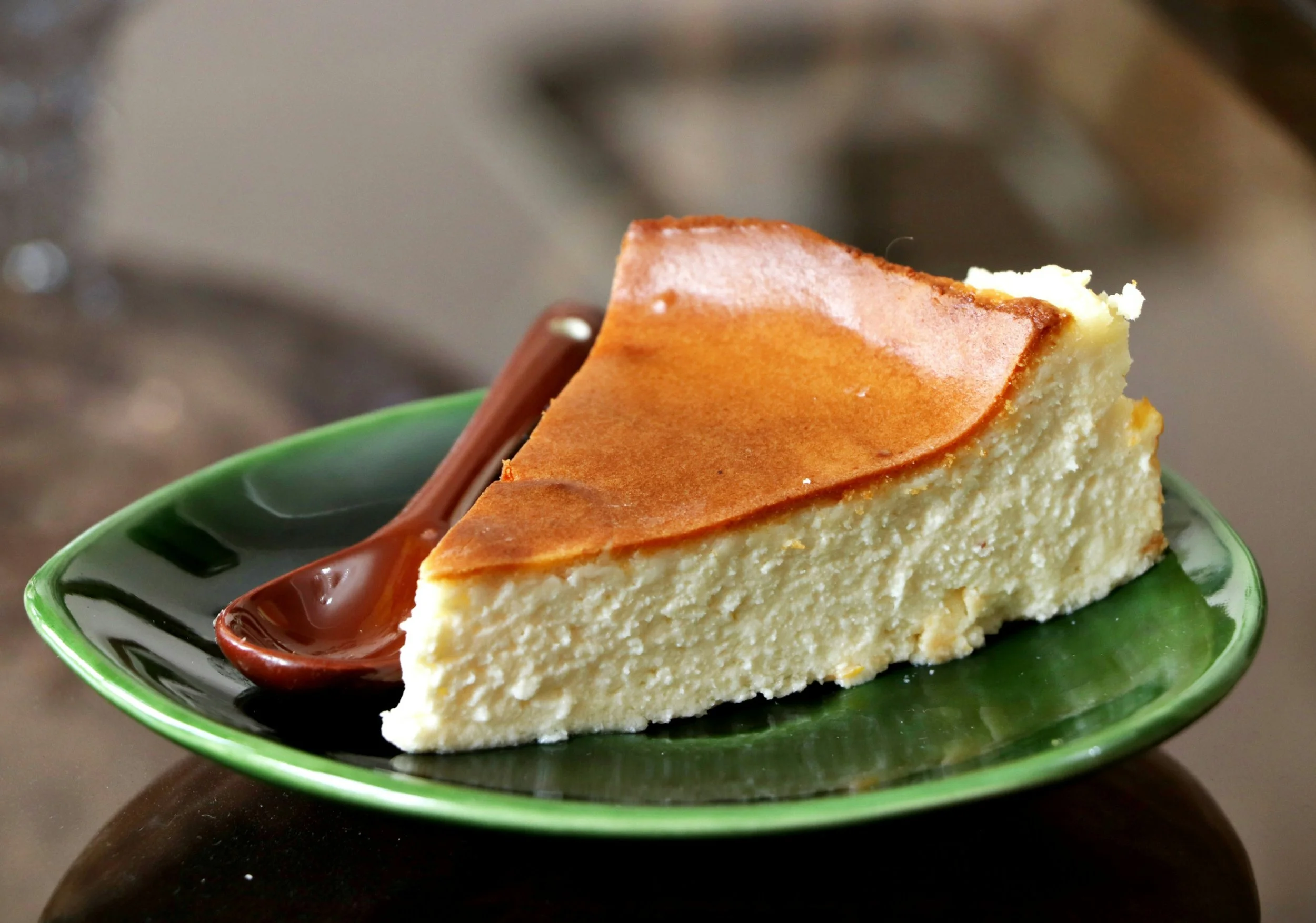
If I were choosing a European wedding destination based almost entirely on where I wanted to eat for three days, the Basque Country would be very difficult to beat.
San Sebastián in particular is the kind of place where food can shape the entire wedding weekend rather than simply the wedding dinner. Pintxos culture makes going out to eat an activity in itself: moving between bars, ordering a few bites, having a glass of txakoli and then continuing to the next place. For a destination wedding, I think that's incredibly fun.
Instead of trying to create a traditional welcome dinner on the first night, you could introduce your guests to the region through a pintxos-inspired evening. Then the wedding can show them an entirely different side of Basque cooking, with seafood, local produce and a more elevated menu.
And your guests aren't dependent on your itinerary to experience the food culture. They can spend a free afternoon wandering through San Sebastián, make their own restaurant reservations or extend their trip specifically to eat.
That's one of the things I find most compelling about choosing a genuine food destination for a wedding: you don't have to manufacture the culinary experience. It's already happening all around you.
The surrounding region also means you're not limited to having a city wedding. Couples can look beyond San Sebastián itself for countryside, coastal and vineyard settings while keeping the city's food scene within reach.
The Edit: For couples whose vacations already revolve around where they're going to eat next, San Sebastián and the wider Basque Country might be the most natural fit on this list.
The Douro Valley, Portugal
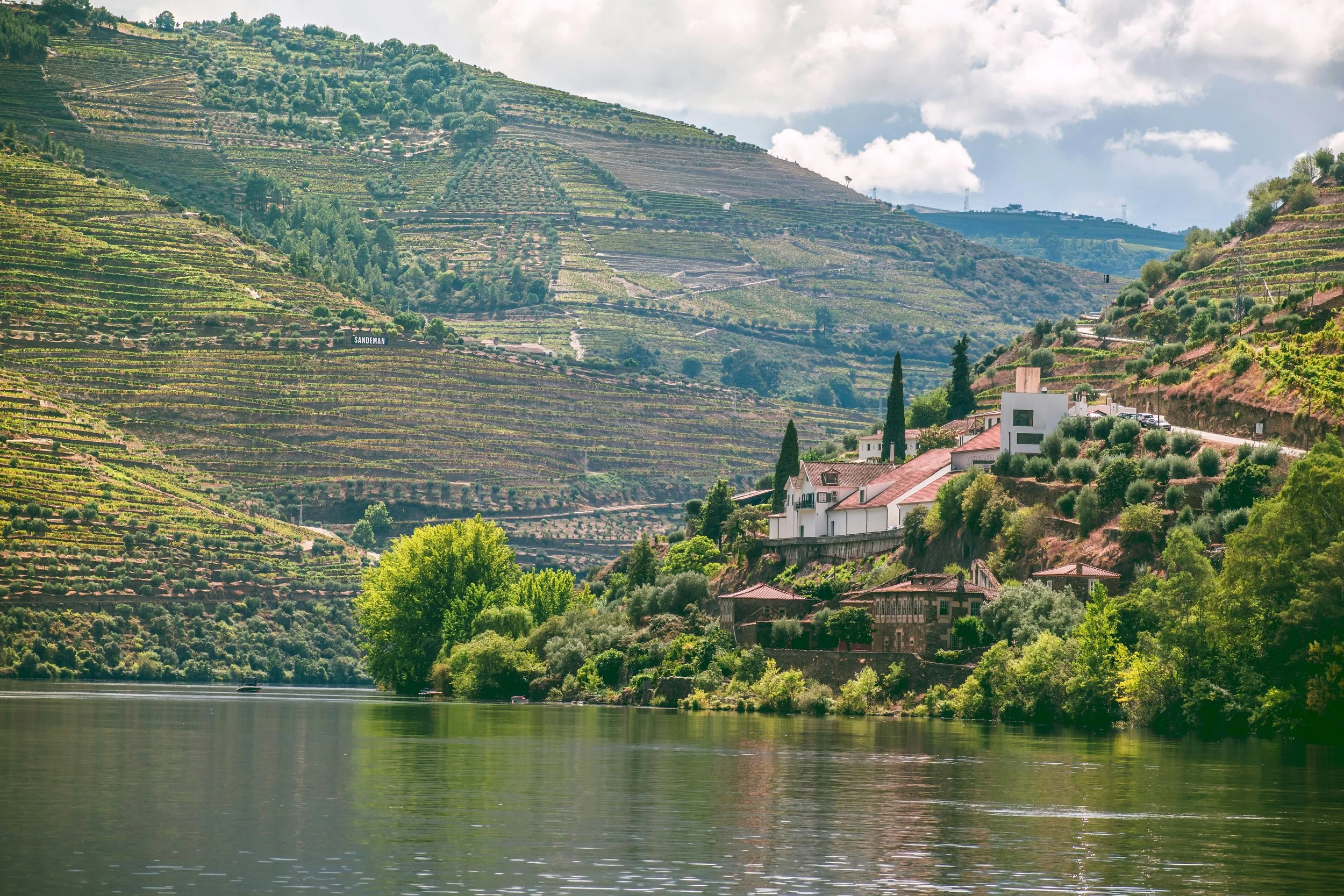
The Douro Valley is the destination I'd look at if wine is just as important to you as food.
The landscape itself immediately tells you what this region is about. Vineyards climb the steep hills on either side of the Douro River, and many of the region's hotels and estates are intrinsically connected to wine. That creates opportunities to make food and wine part of the wedding weekend without every event needing to be another formal meal.
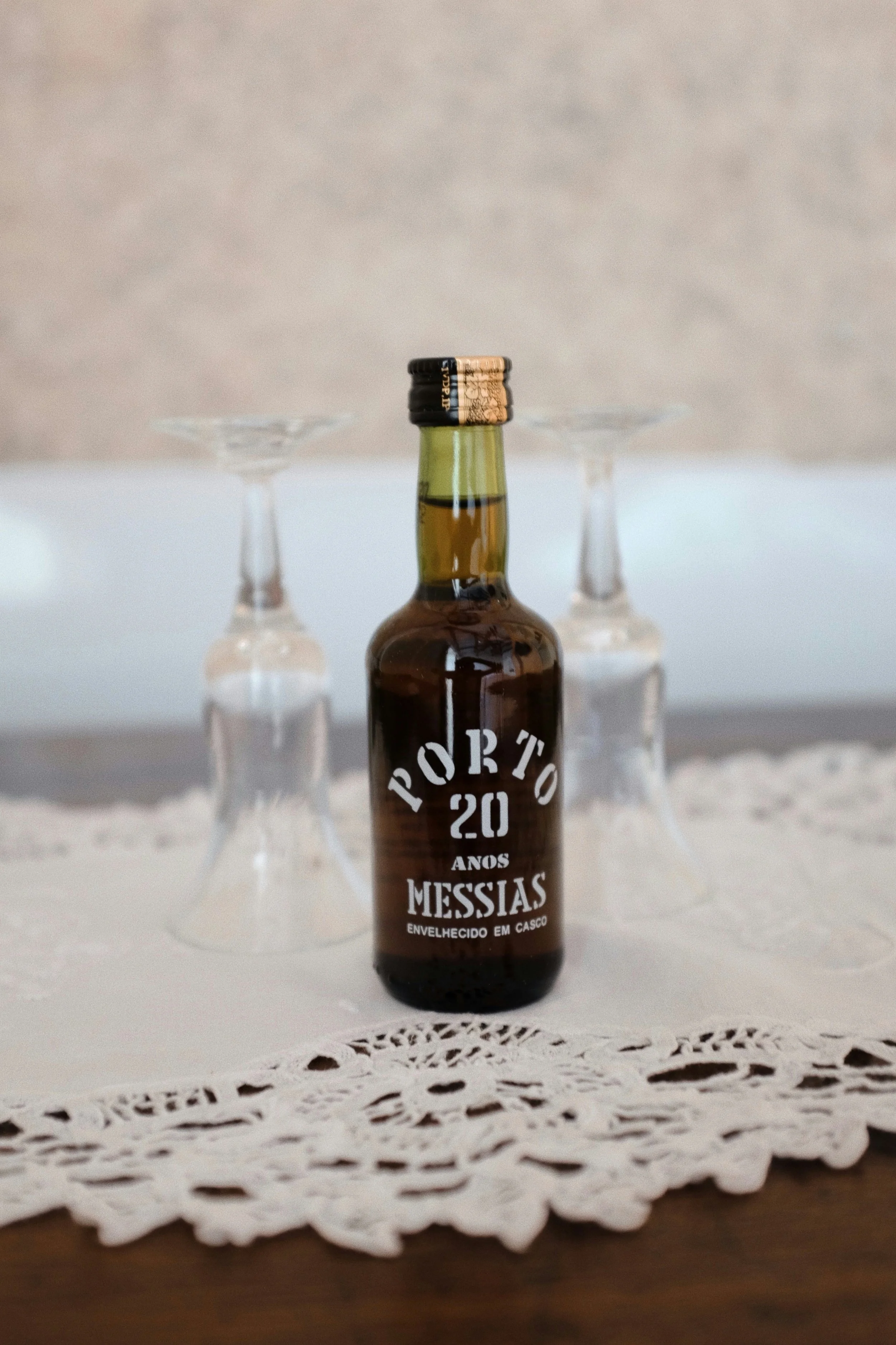
Guests could spend an afternoon at a vineyard, take part in a tasting, cruise along the Douro, or sit down for a wine-paired dinner overlooking the valley. Port is what the region is historically famous for, but the Douro's still wines deserve plenty of attention too.
Then there's Portuguese food itself.
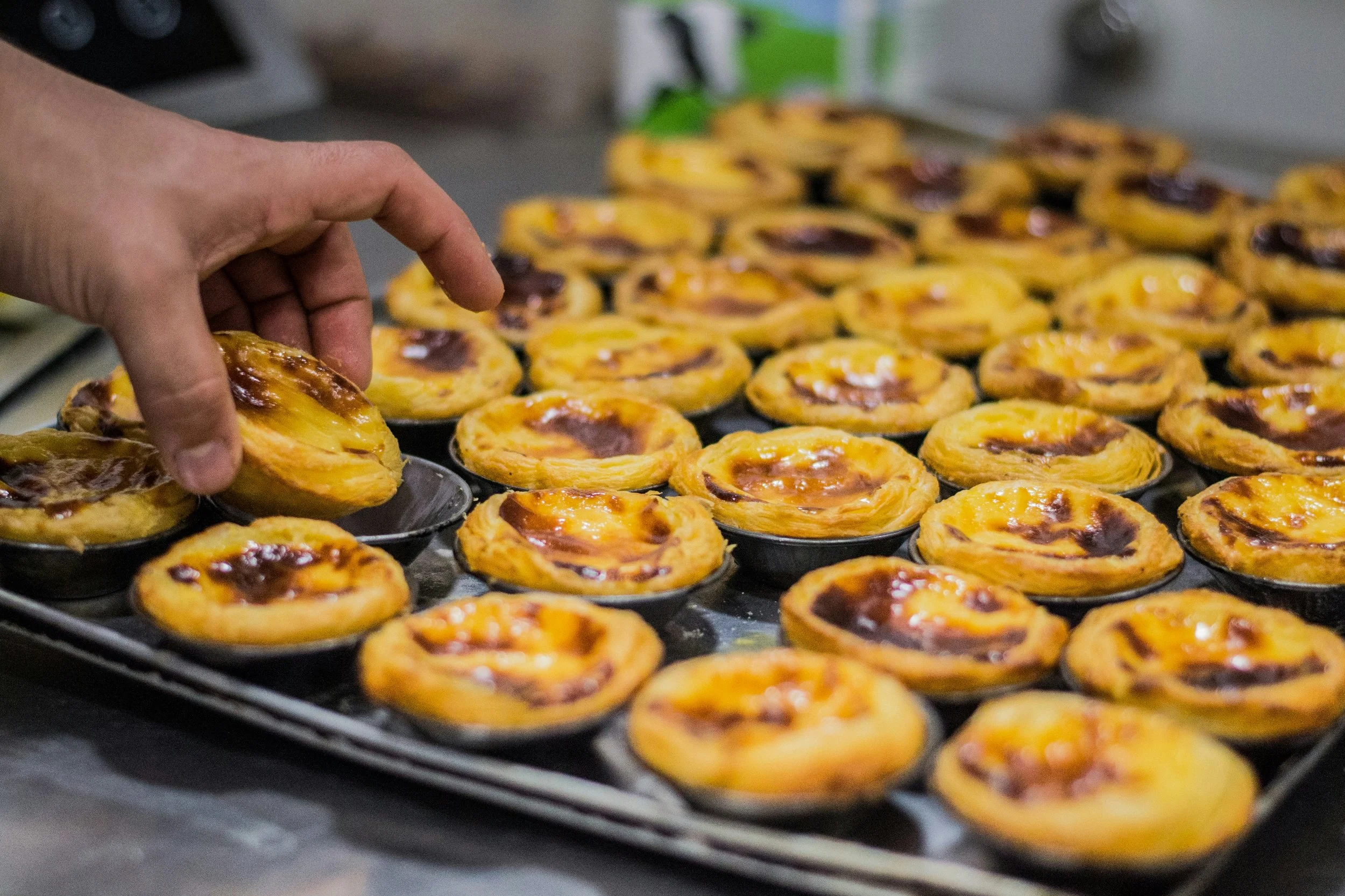
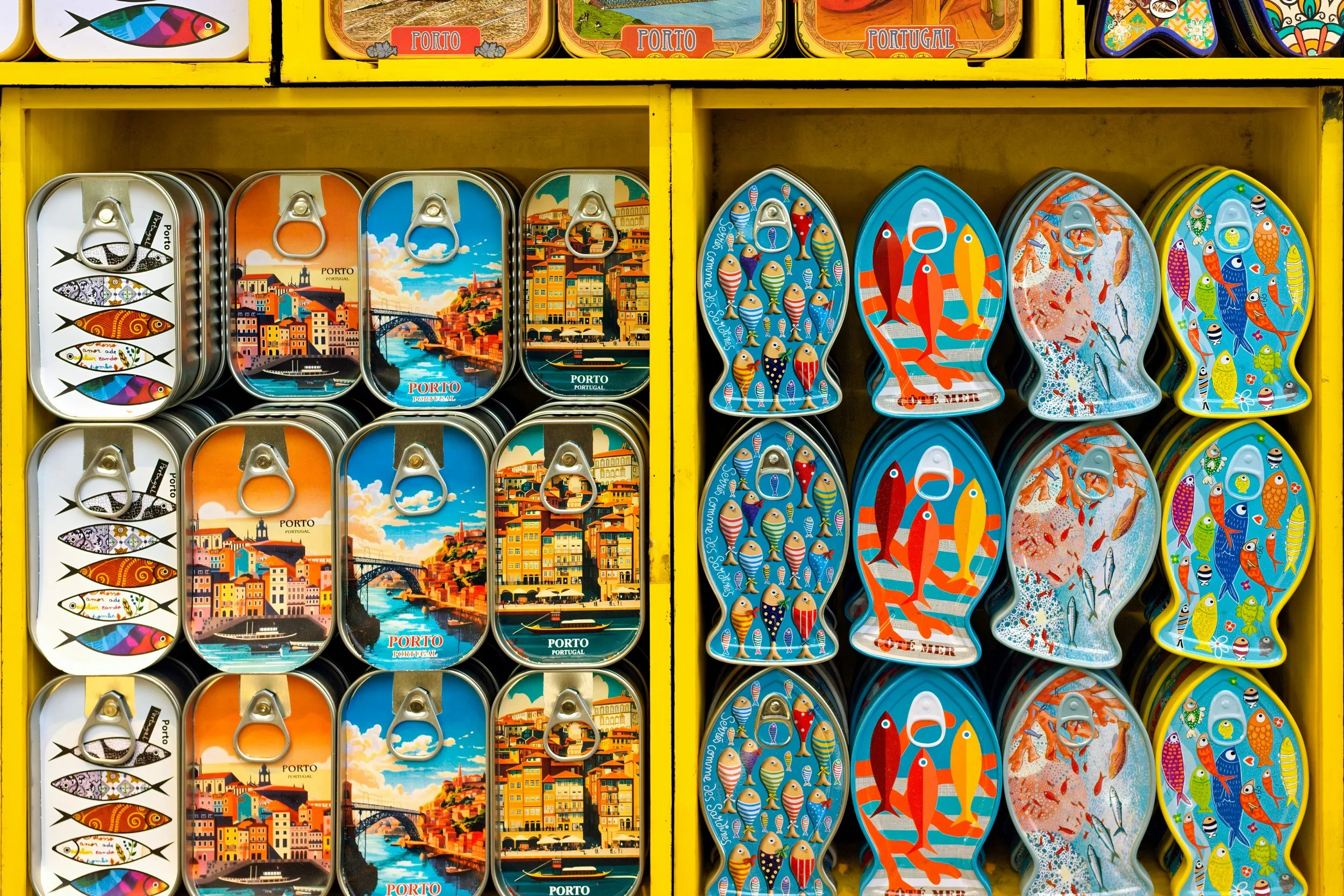
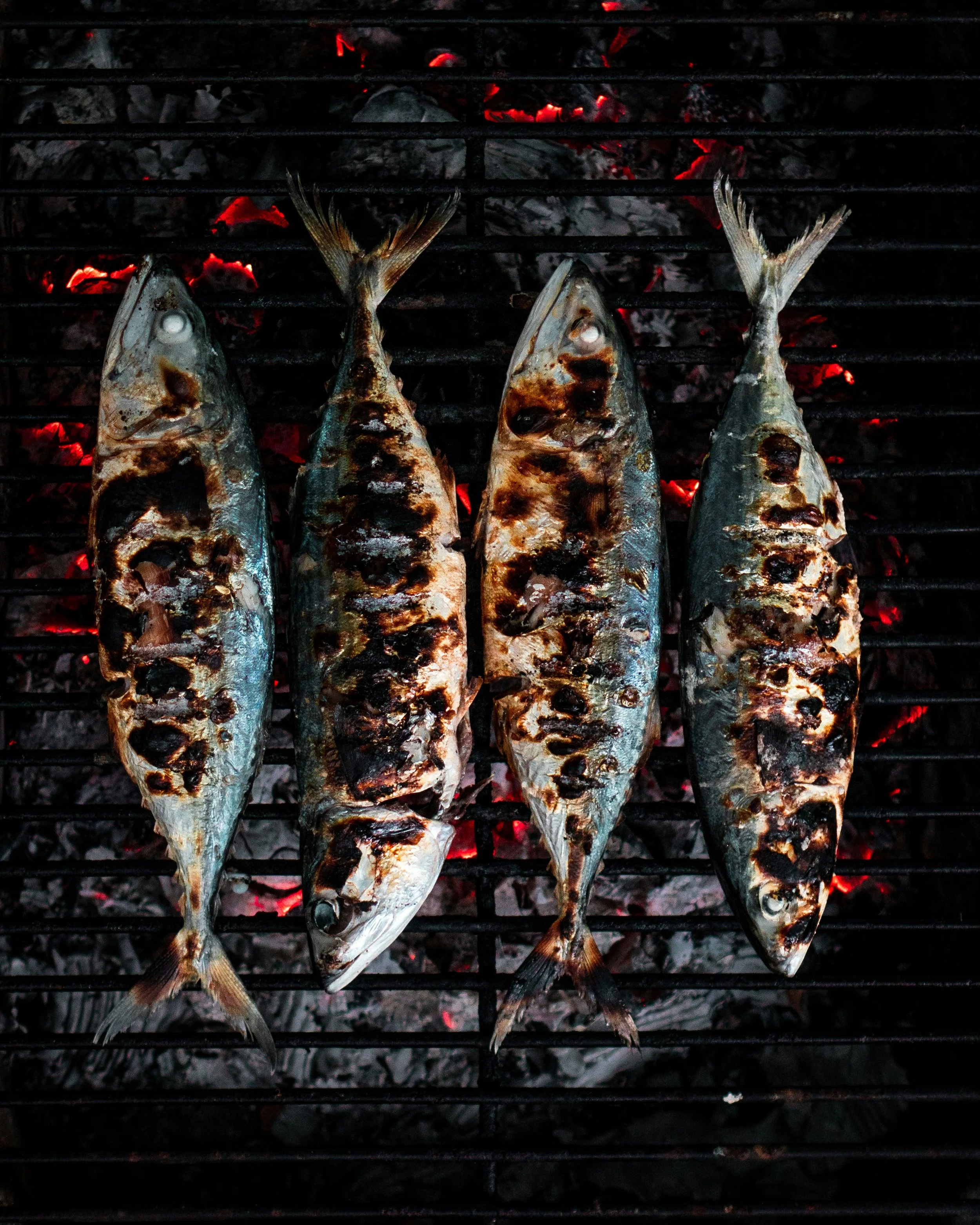
Fresh fish and seafood, grilled meats, cheeses, olive oil and regional dishes give you plenty to work with when designing menus that actually feel Portuguese. And, of course, I'd find a way to get pastéis de nata into the weekend somewhere.
The setting also provides a very different version of a wine-country wedding from Tuscany or Provence. The terraced hills and river make the Douro visually distinctive, which is especially appealing if you love the idea of getting married among vineyards but want something a little less expected.
Porto also gives couples another dimension to the weekend. Guests can spend time in the city before heading into the valley, allowing the trip to feel like more than simply arriving at a remote wedding venue and leaving three days later.
The Edit: Choose the Douro if you'd happily plan an entire afternoon around a bottle of wine, a long lunch and a view—and want your wedding guests to do exactly the same.
Provence, France
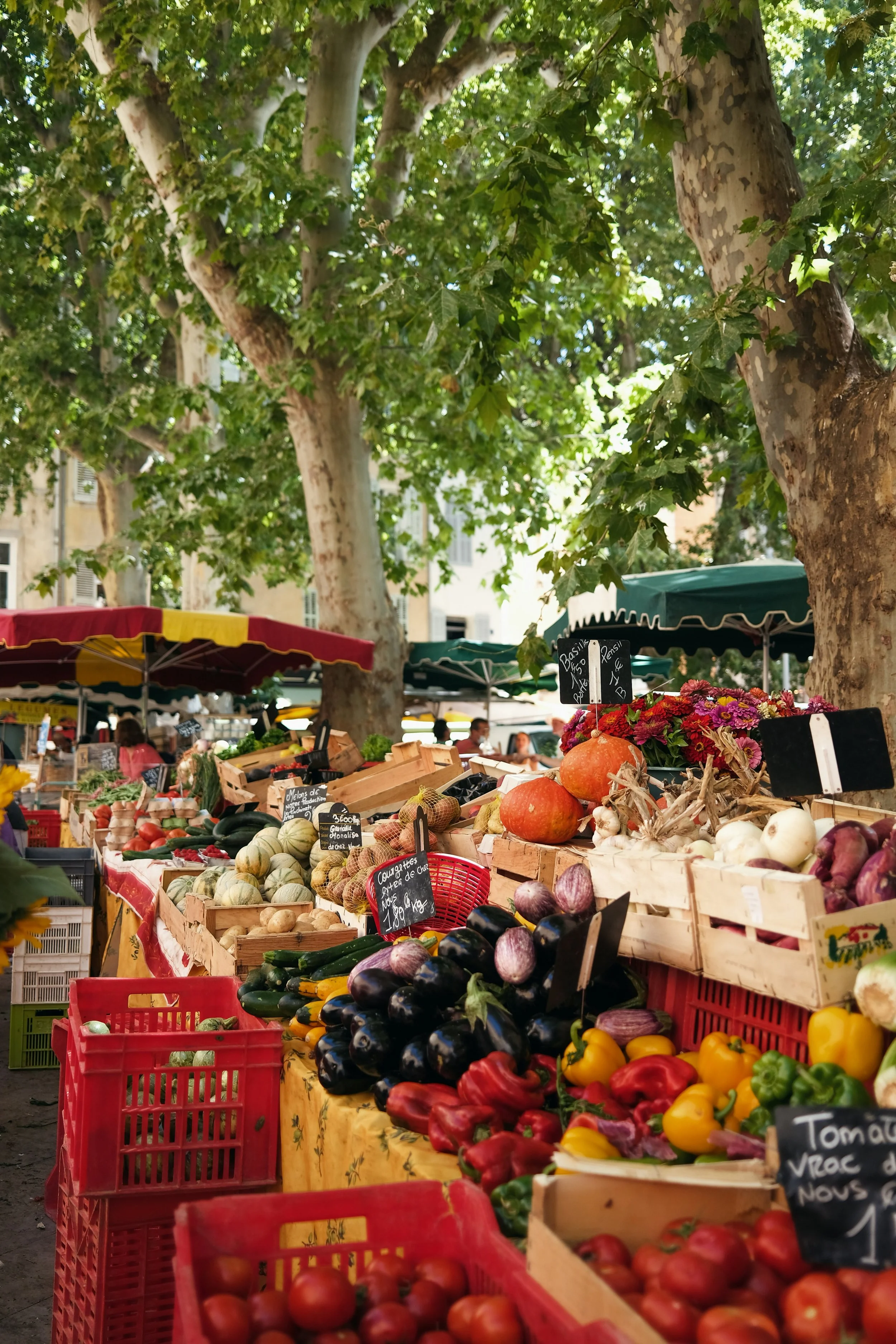
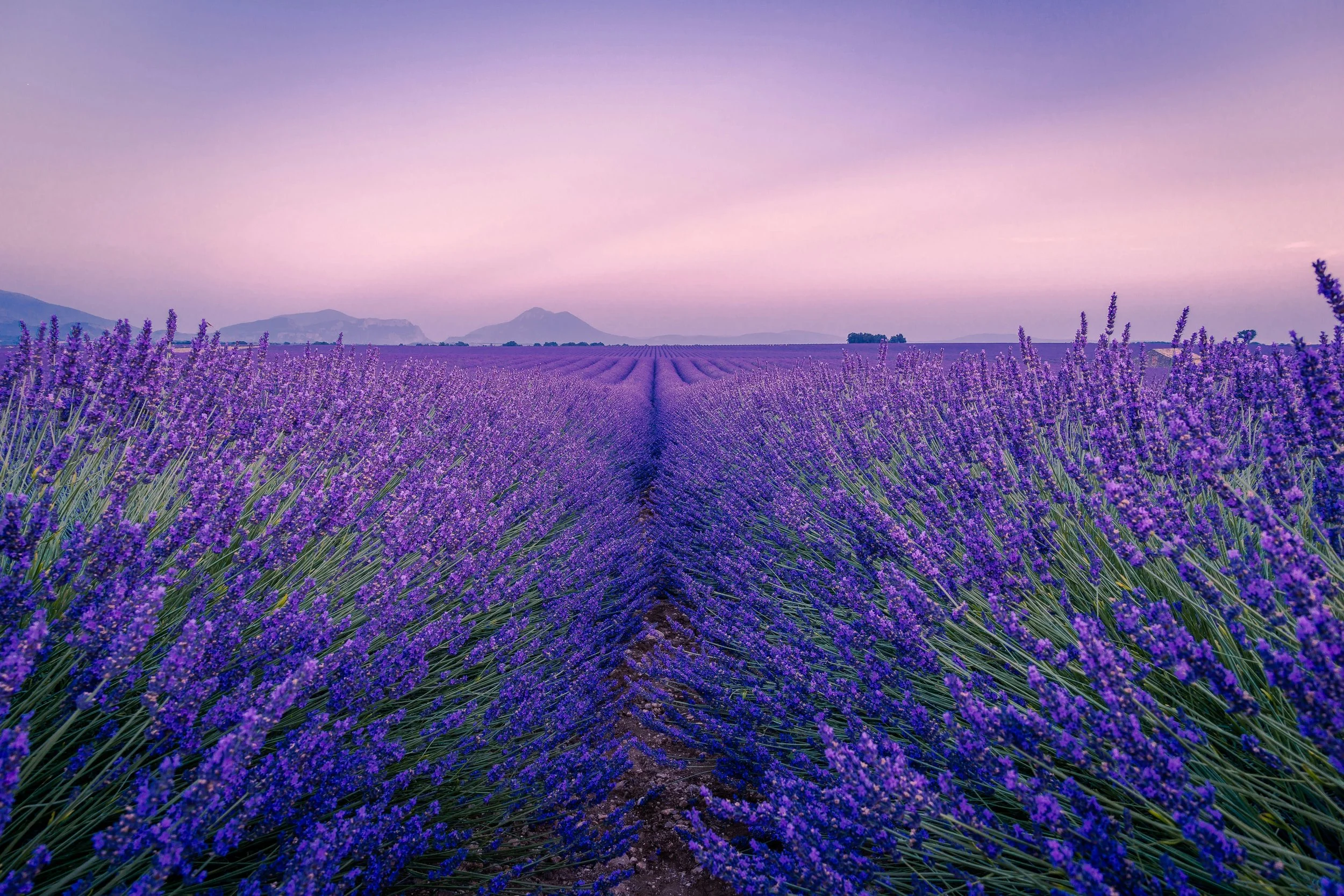
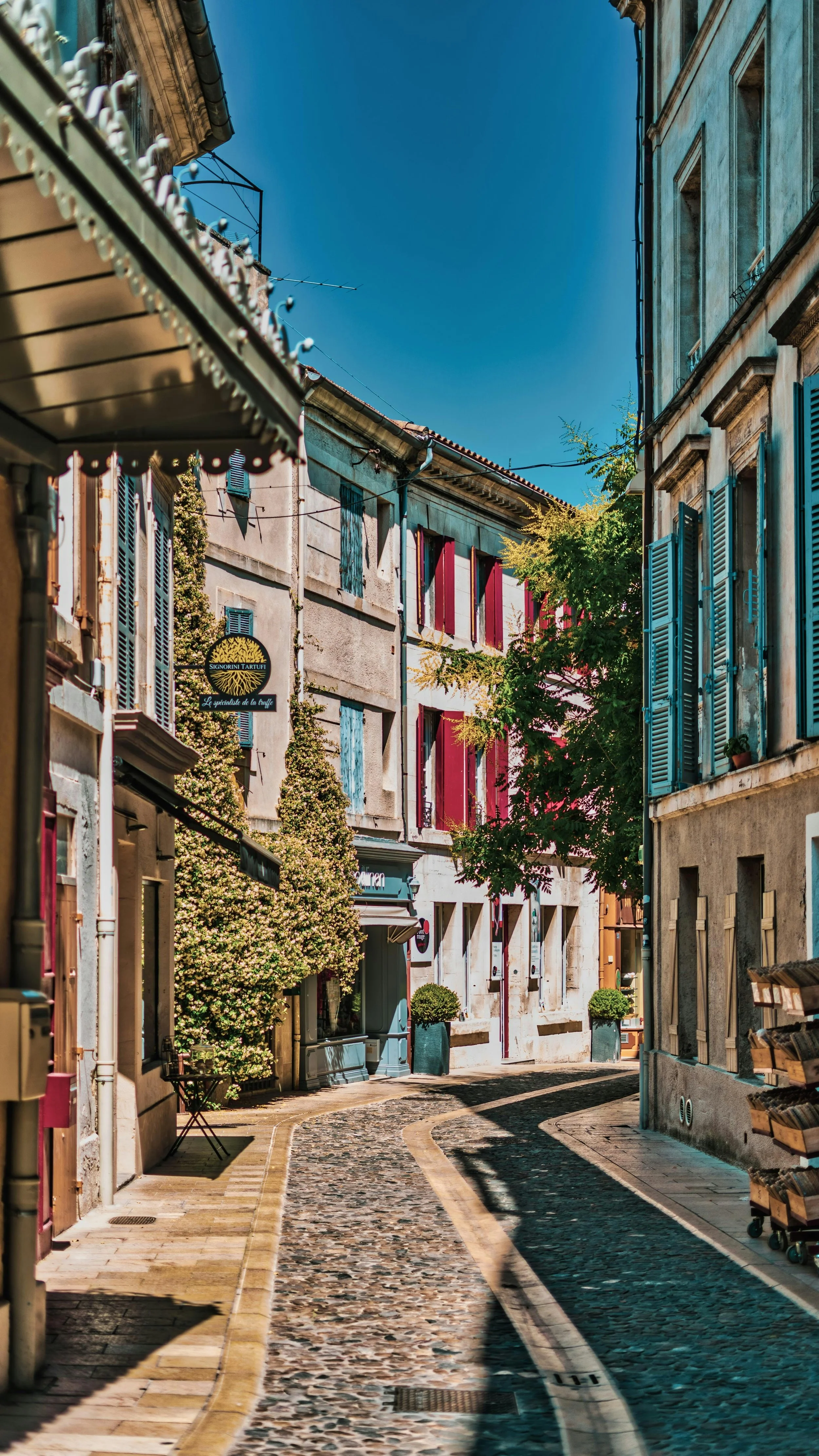
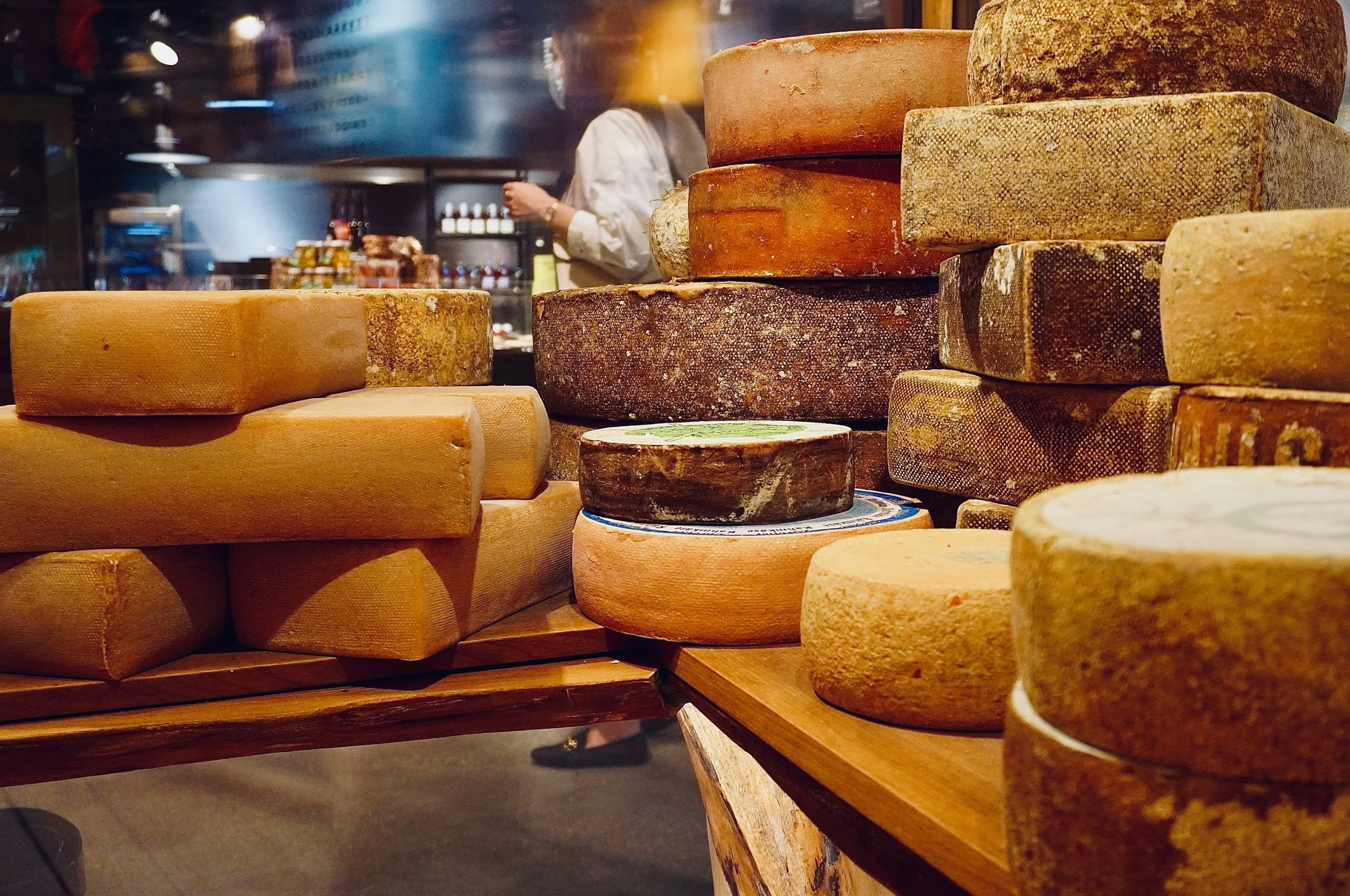
There is something about eating outside in Provence that feels like exactly what a European destination wedding should be.
This isn't necessarily the destination I'd choose because I wanted the most elaborate wedding menu. I'd choose it because I wanted beautiful ingredients, very good wine and meals that felt effortless.
Provençal cooking gives you plenty to work with: seasonal vegetables, olive oil, herbs, local cheeses, seafood closer to the coast and produce that can make even a relatively simple menu feel connected to the destination.
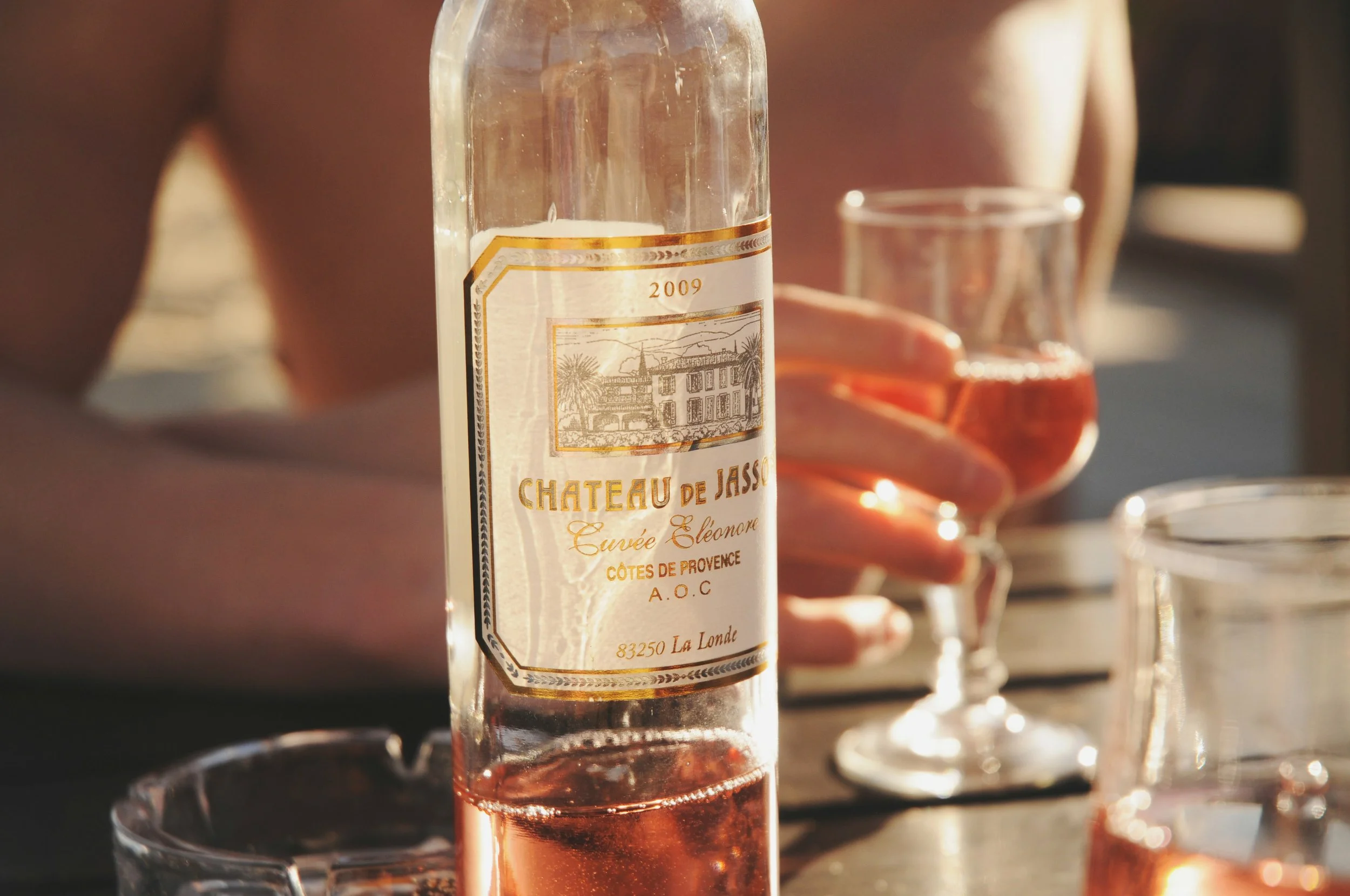
Then, obviously, there is the wine.
A welcome event with Provençal rosé, local produce and a relaxed outdoor dinner feels entirely appropriate here. The wedding can become more formal the following evening, and the next morning doesn't need much more than good bread, cheese, fruit and coffee to feel special.
The venues reinforce that experience. Provence's bastides, domaines, vineyard properties and countryside estates often give couples the space to host several events in one place, with each one feeling slightly different.
That's particularly valuable for a destination wedding because you're not just thinking about the five or six hours of the wedding itself. You're creating a few days your guests will associate with the region.
The Edit: Provence is for couples who don't necessarily need their wedding meal to be theatrical. Give me excellent ingredients, cold rosé, a long table outside and nowhere anyone needs to be afterwards.
Emilia-Romagna, Italy
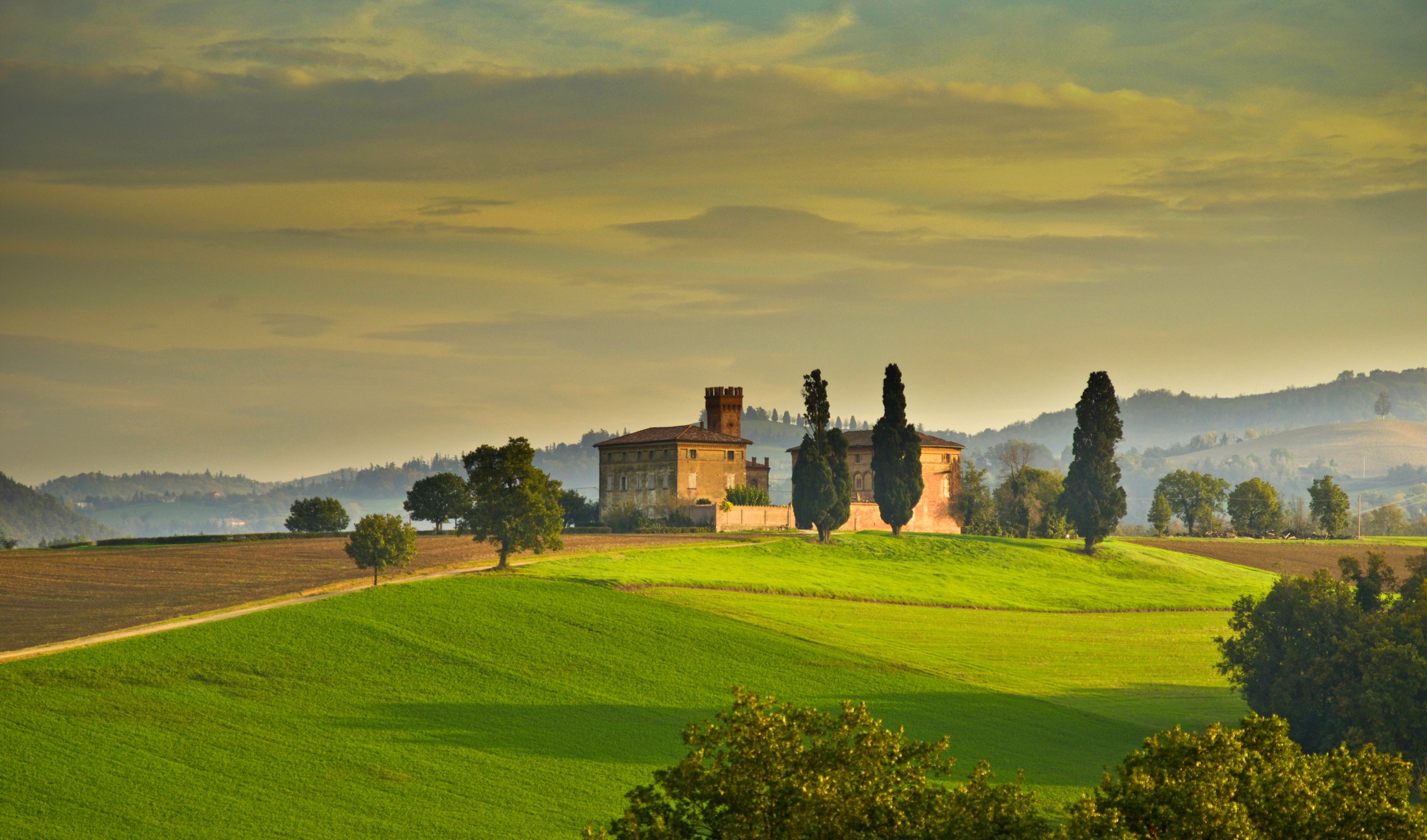
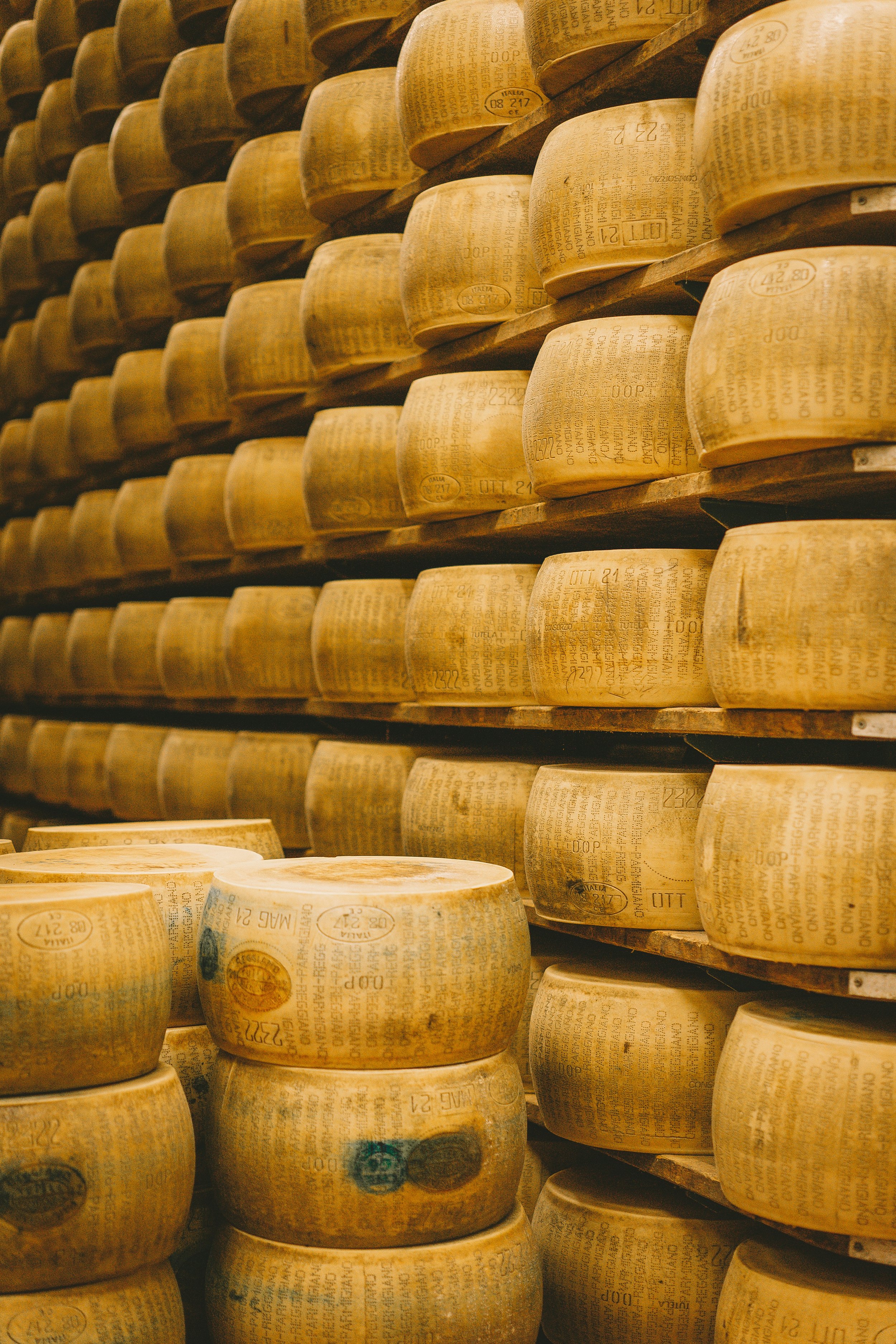
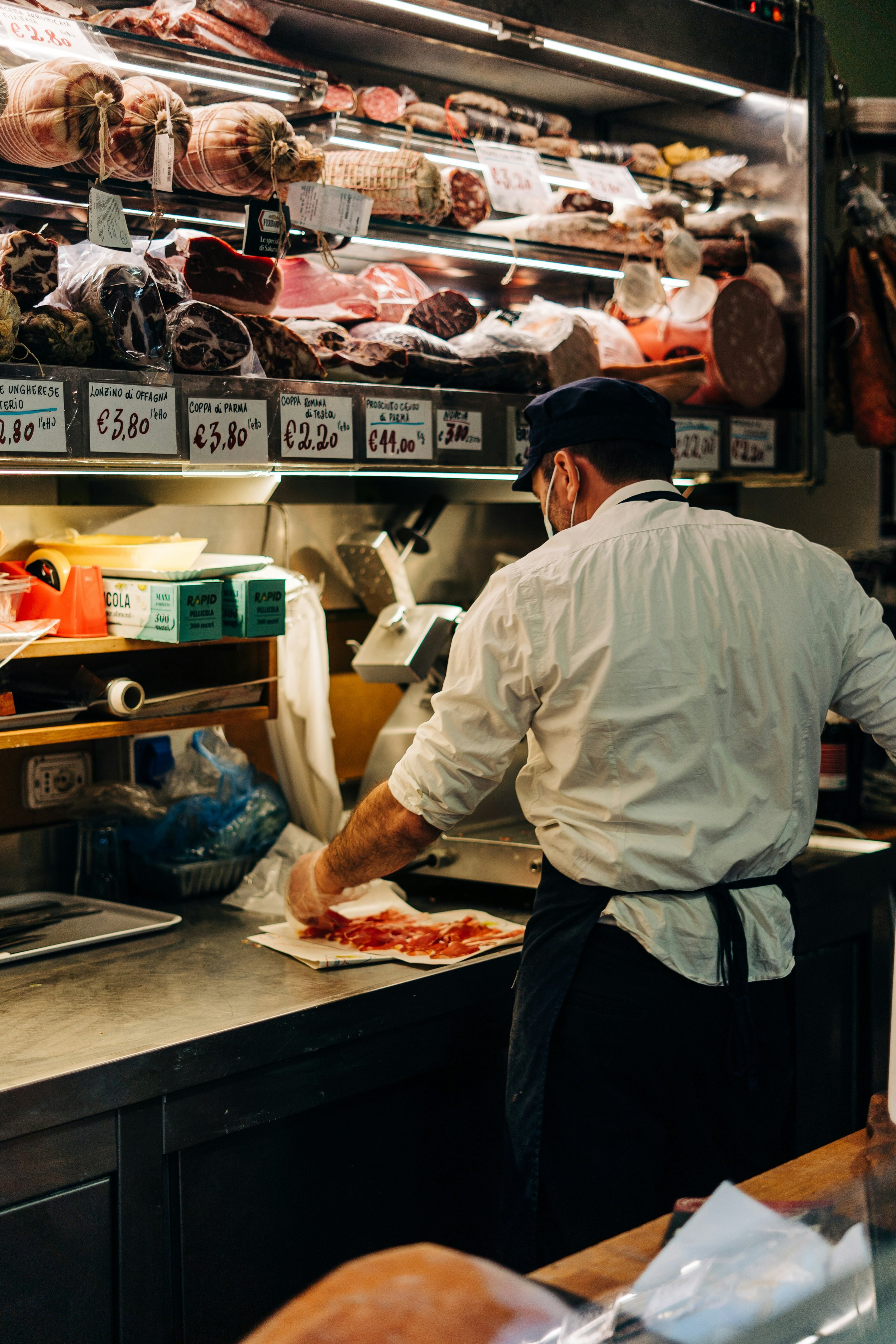
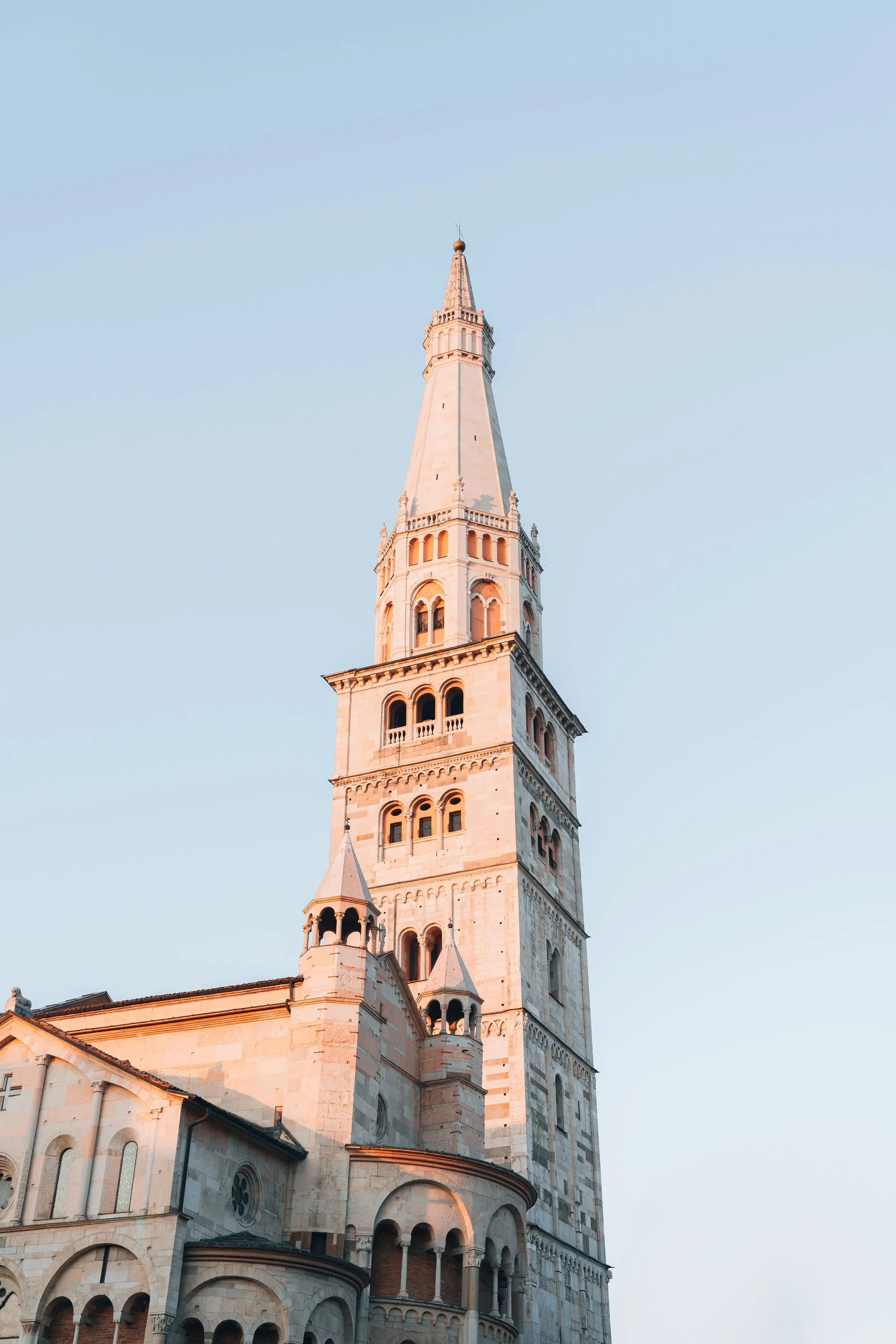
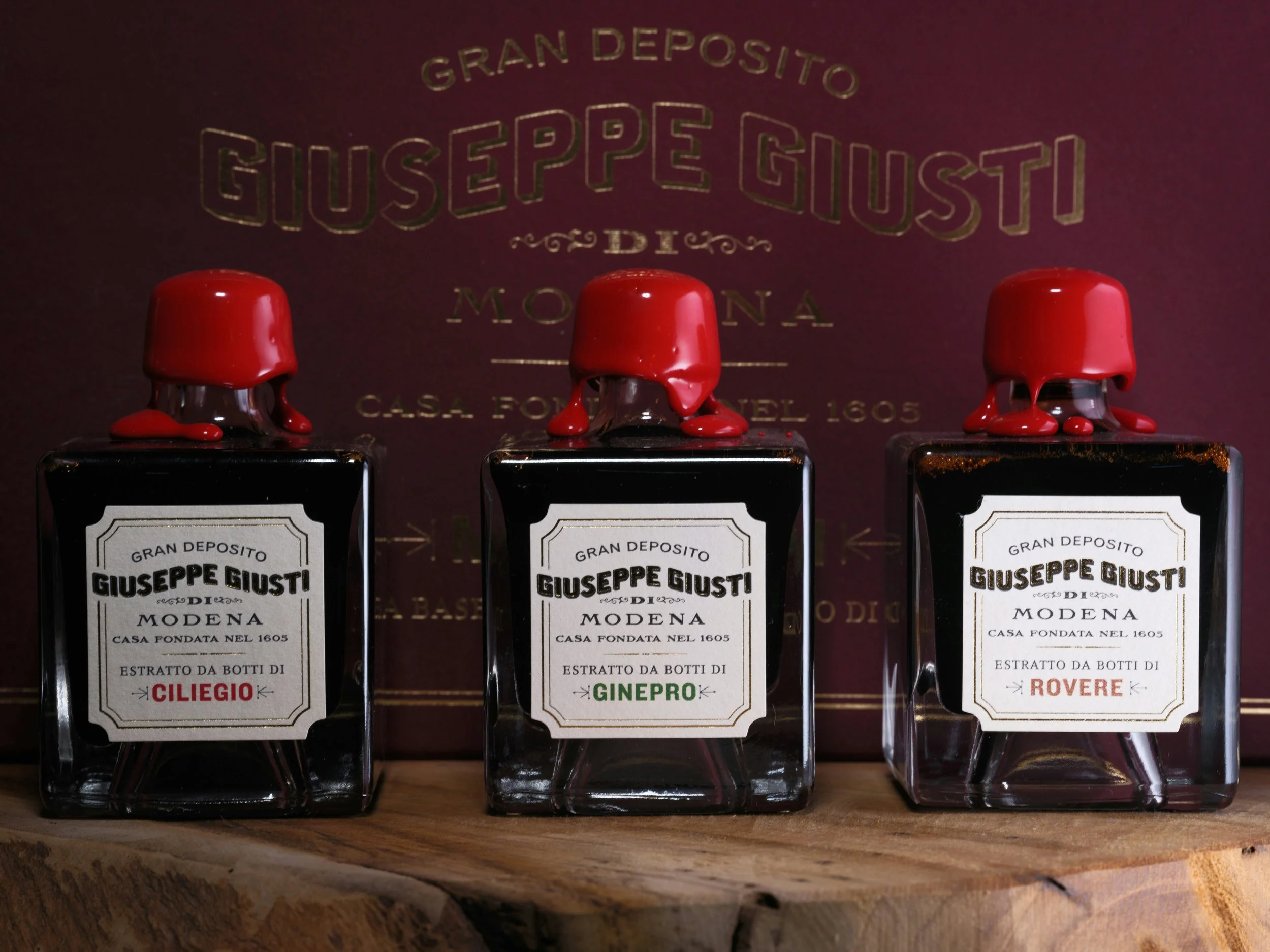
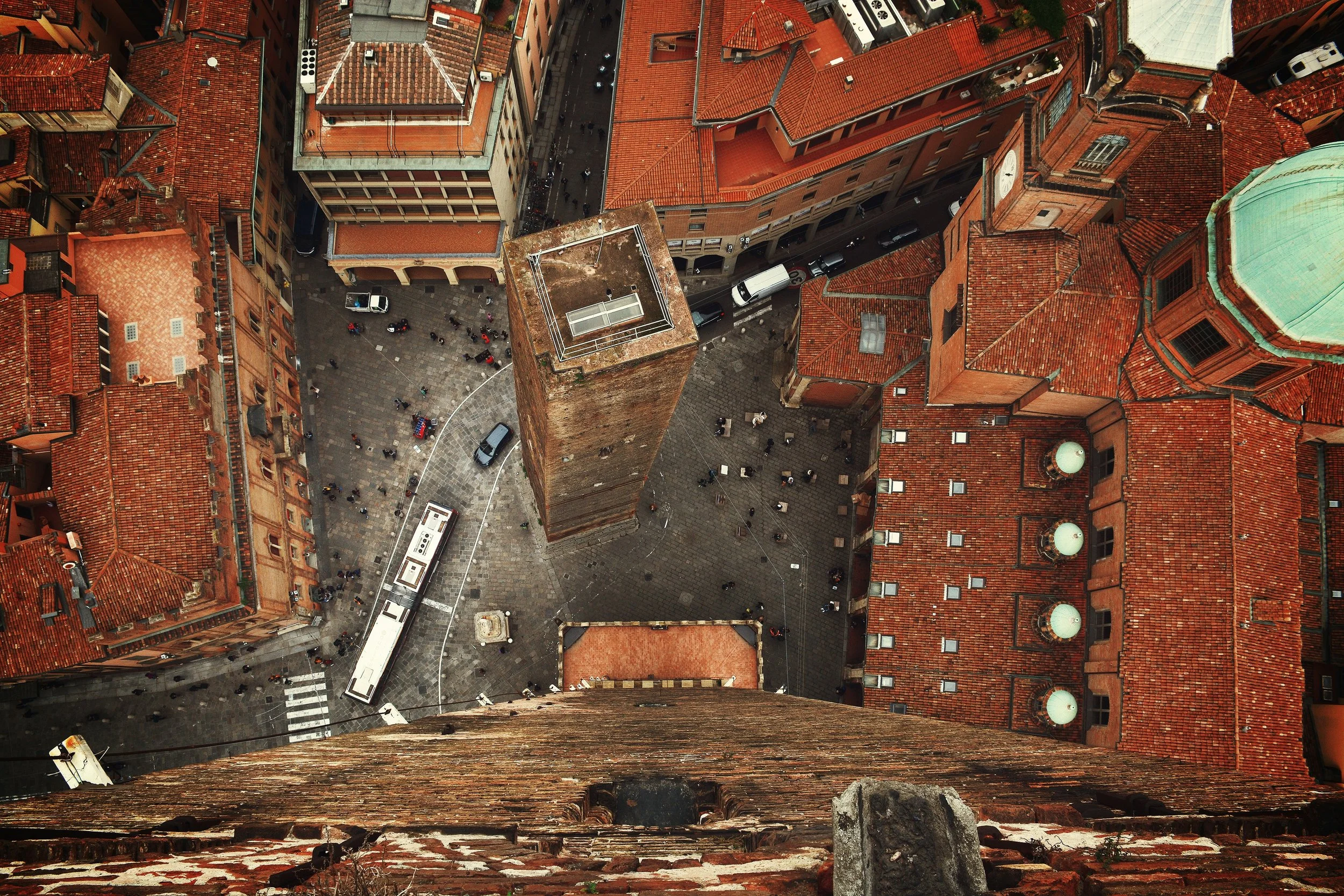
Tuscany might be the more obvious Italian wedding destination, but if we're talking specifically about food, I have to include Emilia-Romagna.
This is the region behind an almost ridiculous number of things we associate with Italian food: Parmigiano Reggiano, Prosciutto di Parma, traditional balsamic vinegar from Modena, and some of Italy's most beloved filled and handmade pastas. And that creates so many possibilities for a wedding weekend.
Imagine welcoming guests with local cheeses, cured meats and Lambrusco. A rehearsal or welcome dinner could revolve around handmade pasta and regional dishes. Even the days surrounding the wedding could include visits to producers or food experiences that give guests a better understanding of what they're eating.
That's what makes Emilia-Romagna particularly interesting to me.
You aren't simply serving Italian food because you're getting married in Italy. You can serve ingredients that have been produced in that specific part of Italy for generations and give your guests an opportunity to experience where they actually come from.
It also offers something different for couples who love Italy but don't necessarily want to follow the established Tuscany–Lake Como–Amalfi Coast destination-wedding circuit.
Cities such as Bologna, Parma and Modena give guests plenty to explore, while the countryside opens up a different side of the region for the wedding itself.
The Edit: If the sentence "Should we plan a Parmigiano Reggiano tasting while everyone is here?" sounds completely reasonable to you, Emilia-Romagna belongs on your shortlist.
When the Destination Is Part of the Menu
There isn't one "best" European wedding destination for food lovers - and I don't think there should be.
Puglia gives you generous southern Italian cooking and masseria life. The Basque Country gives you a culture where eating is practically an itinerary of its own. The Douro Valley puts wine at the center of the experience. Provence makes simple, seasonal food feel incredibly special. And Emilia-Romagna is difficult to rival if the food itself is one of the main reasons you're traveling.
What they all have in common is a sense of place.
For me, that's the difference between simply having good food at a destination wedding and creating a wedding weekend around food.
You can hire an excellent caterer almost anywhere. But you can't recreate drinking wine overlooking the vineyards where it was made, eating burrata in Puglia, wandering between pintxos bars in San Sebastián or tasting Parmigiano Reggiano where it has been produced for generations.
If you're asking your favorite people to cross an ocean to celebrate with you, I think that's an opportunity worth embracing.
Choose somewhere you want them to taste, not just somewhere you want them to see.
